
Il cambio di anno è per molti un simbolo, un cancello, un momento di passaggio che spinge a fare bilanci e buoni propositi. Che poi non sempre vengono mantenuti.
È chiaro che si tratta di un momento simbolico, di un passaggio che avviene solo nella nostra testa.
E spesso nemmeno lì, se come me continuerete a scrivere “2019” nelle date almeno fino a Pasqua.
Nonostante l’evidente ipocrisia, trovo che non ci sia nulla di sbagliato. Sia chiaro che non so se sia una strategia che funziona, in questo dovrete rivolgervi al mio collega Umberto Maggesi, il nostro coach marziale, ma tra porsi un obiettivo e non porselo credo sia comunque meglio porsi un obiettivo.
Da qualche tempo a questa parte, i “buoni propositi per il nuovo anno” hanno fatto una revisione dell’immagine e hanno iniziato a chiamarsi “challenge”: le sfide. Suona più accattivante, più dinamico, meno bacchettone.
Uno dei miei challenge preferiti è quello di Goodreads (il social network dei libri), che spinge a porsi l’obiettivo di leggere un certo numero di libri durante l’anno nuovo.
Non so quanto siate degli avidi lettori e con quanta regolarità riusciate a farlo, ma se siete sul mio blog le parole scritte non devono farvi proprio schifo.
Personalmente, la mia vita non è abbastanza regolare per potermi permettere un challenge di questo tipo: passo mesi in cui devo leggere cinque o sei libri contemporaneamente, per preparare una lezione o una conferenza, e altri in cui devo semplicemente scrivere come se non ci fosse un domani per rispettare una consegna.
Posso però provare a dare il mio contributo a chi desidera darsi un obiettivo di lettura per il nuovo anno.
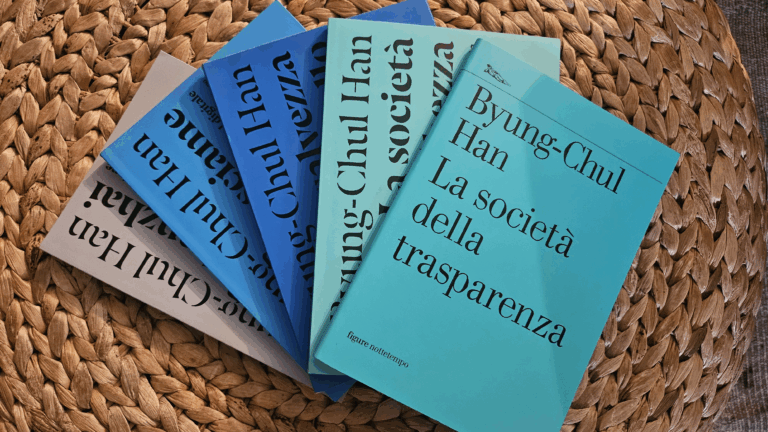
Per questo, e in concomitanza della creazione di quel nuovo percorso formativo che abbiamo chiamato CLEX, cercherò di consigliare un libro a settimana, che parli di BIM e GIS o, più spesso, che fornisca una visione più allargata sul mondo che ci circonda come professionisti dell’era digitale. sul significato delle trasformazioni che stiamo vivendo, sulle molte scelte che ci vengono poste di fronte.
Magari qualcuno dei miei colleghi vorrà darmi una mano in questa sfida.




31 Comments
Pingback:Michele De Lucchi – Gli Attributi dell’Architetto | Shelidon
Posted at 11:55h, 06 January[…] digitale. Ne è nata una specie di piccola biblioteca, che voglio condividere con voi. Una pubblicazione alla settimana, se mi riesce, ogni lunedì un libro per iniziare la […]
Pingback:Georges Perec – Specie di spazi | Shelidon
Posted at 00:03h, 13 January[…] Nella creazione di Clex – Cluster of Experts, il nuovo format di crescita professionale di Forma Mentis, stiamo organizzando la biblioteca ideale di un progettista nell’era digitale. Ogni lunedì un libro per iniziare la settimana. […]
Pingback:Anthony Di Mari – Operative Design, A Catalogue of Spatial Verbs | Shelidon
Posted at 00:06h, 20 January[…] Nella creazione di Clex – Cluster of Experts, il nuovo format di crescita professionale di Forma Mentis, stiamo organizzando la biblioteca ideale di un progettista nell’era digitale. Ogni lunedì un libro per iniziare la settimana. […]
Pingback:Asterios Agkathidis – Generative Design | Shelidon
Posted at 00:02h, 27 January[…] Nella creazione di Clex – Cluster of Experts, il nuovo format di crescita professionale di Forma Mentis, stiamo organizzando la biblioteca ideale di un progettista nell’era digitale. Ogni lunedì un libro per iniziare la settimana. […]
Pingback:Philiph Wilkinson – Atlante delle Architetture Fantastiche | Shelidon
Posted at 00:01h, 03 February[…] Nella creazione di Clex – Cluster of Experts, il nuovo format di crescita professionale di Forma Mentis, stiamo organizzando la biblioteca ideale di un progettista nell’era digitale. Ogni lunedì un libro per iniziare la settimana. […]
Pingback:Arturo Tedeschi – ADD_ Algorithms-Aided Design: Parametric Strategies Using Grasshopper | Shelidon
Posted at 00:03h, 10 February[…] Nella creazione di Clex – Cluster of Experts, il nuovo format di crescita professionale di Forma Mentis, stiamo organizzando la biblioteca ideale di un progettista nell’era digitale. Ogni lunedì un libro per iniziare la settimana. […]
Pingback:Oscar Riera Ojeda, Byron Hawes – Façades: a Visual Compendium of Modern Architectural Styles | Shelidon
Posted at 00:03h, 17 February[…] di Forma Mentis, stiamo organizzando la biblioteca ideale di un progettista nell’era digitale. Ogni lunedì un libro per iniziare la settimana. Per questo libro devo ringraziare in particolare il mio collaboratore Federico […]
Pingback:Christopher Alexander – A Pattern Language: Towns, Buildings, Construction | Shelidon
Posted at 00:01h, 24 February[…] Nella creazione di Clex – Cluster of Experts, il nuovo format di crescita professionale di Forma Mentis, stiamo organizzando la biblioteca ideale di un progettista nell’era digitale. Ogni lunedì un libro per iniziare la settimana. […]
Pingback:Owen D. Pomery – Kiosk | Shelidon
Posted at 00:07h, 02 March[…] Nella creazione di Clex – Cluster of Experts, il nuovo format di crescita professionale di Forma Mentis, stiamo organizzando la biblioteca ideale di un progettista nell’era digitale. Ogni lunedì un libro per iniziare la settimana. […]
Pingback:Peter Rice – An Engineer Imagines | Shelidon
Posted at 00:01h, 09 March[…] Nella creazione di Clex – Cluster of Experts, il nuovo format di crescita professionale di Forma Mentis, stiamo organizzando la biblioteca ideale di un progettista nell’era digitale. Ogni lunedì un libro per iniziare la settimana. […]
Pingback:Isabel Otter – How to Build a City | Shelidon
Posted at 00:01h, 16 March[…] Nella creazione di Clex – Cluster of Experts, il nuovo format di crescita professionale di Forma Mentis, stiamo organizzando la biblioteca ideale di un progettista nell’era digitale. Ogni lunedì un libro per iniziare la settimana. […]
Pingback:Inventions, Researches and Writings of Nikola Tesla | Shelidon
Posted at 00:01h, 23 March[…] Ogni lunedì un libro per iniziare la settimana. […]
Pingback:Bruno Zevi – Il Linguaggio Moderno dell’Architettura – Shelidon
Posted at 00:02h, 30 March[…] Ogni lunedì un libro per iniziare la settimana, e il libro di questa settimana mi è particolarmente caro. […]
Pingback:Carlo Ratti – Architettura Open Source – Shelidon
Posted at 00:06h, 06 April[…] Ogni lunedì un libro per iniziare la settimana. […]
Pingback:Molly Wright Steenson – Architectural Intelligence: How Designers and Architects Created the Digital Landscape – Shelidon
Posted at 00:17h, 13 April[…] Ogni lunedì un libro per iniziare la settimana. […]
Pingback:Richard e Daniel Susskind – The Future of the Profession: How Technology will transform the work of human experts – Shelidon
Posted at 06:06h, 20 April[…] Ogni lunedì un libro per iniziare la settimana e questo lunedì vi consiglio un libro non recentissimo ma abbastanza recente, per i miei standard, e di cui si è già parlato, almeno su LinkedIn. Mi sembrava ingiusto che non figurasse in questa piccola biblioteca del progettista digitale. […]
Pingback:Gene Kim – The DevOps Handbook – Shelidon
Posted at 01:02h, 27 April[…] Ogni lunedì un libro per iniziare la settimana. […]
Pingback:Tom Phillips – Humans: A Brief History of How We F*cked it All Up – Shelidon
Posted at 09:07h, 04 May[…] Ogni lunedì un libro per iniziare la settimana. […]
Pingback:Leonard Mlodinow – Euclid’s Window – Shelidon
Posted at 08:02h, 11 May[…] Ogni lunedì un libro per iniziare la settimana. […]
Pingback:Lisa J. Scheinkopf – Thinking for a Change – Shelidon
Posted at 08:00h, 18 May[…] Ogni lunedì un libro per iniziare la settimana. […]
Pingback:Simone Pozzoli – Autodesk Revit per impianti MEP – Shelidon
Posted at 07:35h, 25 May[…] Ogni lunedì un libro per iniziare la settimana. […]
Pingback:Chris Sims e Hillary Louise Johnson – Scrum: a Breathtakingly Brief and Agile Introduction – Shelidon
Posted at 10:54h, 18 June[…] Ogni lunedì un libro per iniziare la settimana: anche oggi ho rispettato il mio impegno. […]
Pingback:Richard Garber – BIM Design – Shelidon
Posted at 06:13h, 13 July[…] Ogni lunedì un libro per iniziare la settimana, e questa settimana ci rifacciamo gli occhi. Per gli amanti dei casi studio, per chi è interessato al processo ma ancora di più ai progetti, BIM Design a cura di Richard Garber, una delle pubblicazioni di AD – Architectural Design, è una festa per gli occhi: si tratta infatti di una selezione di progetti fiore all’occhiello di quello che viene definito potenziale creativo del Building Information Modelling. […]
Pingback:Italo Calvino – La memoria del mondo – Shelidon
Posted at 05:03h, 27 July[…] L’autrice propone “un confronto tra la narrazione di Calvino e le teorie sull’intelligenza digitale collettiva di Derrick de Kerckhove“, sociologo belga e autore di The Skin of Culture and Connected Intelligence. Ma questo è un altro libro e dovremo occuparcene un altro giorno. Anche per questa volta siamo a posto. Ogni lunedì un libro per iniziare la settimana. […]
Pingback:Plethora Project – The Blindspot Initiative – Shelidon
Posted at 01:07h, 03 August[…] Non proprio un libro da ombrellone, ma anche oggi ci rifacciamo gli occhi e anche per questa volta siamo a posto. Ogni lunedì un libro per iniziare la settimana. […]
Pingback:Alexander Osterwalder – Business Model Generation – Shelidon
Posted at 08:23h, 10 August[…] È la 33a settimana dell’anno, un anno che definire surreale sarebbe un eufemismo. Ma, almeno, significa che abbiamo già 33 libri nella nostra biblioteca virtuale. Ogni lunedì un libro per iniziare la settimana. […]
Pingback:Frederick Winslow Taylor – The Principles of Scientific Management – Shelidon
Posted at 13:32h, 17 August[…] Ogni lunedì un libro per iniziare la settimana: sembra strano, ma è già lunedì. Di nuovo. […]
Pingback:Ted Chiang – The Lifecycle of Software Objects – Shelidon
Posted at 04:02h, 24 August[…] Ogni lunedì un libro per iniziare la settimana: siamo giunti al nostro 35° appuntamento. […]
Pingback:Beatrice Manzoni – L’architetto. Sette sfide manageriali per la crescita professionale – Shelidon
Posted at 10:34h, 31 August[…] Ogni lunedì un libro per iniziare la settimana. […]
Pingback:Philippe Daverio – La buona strada – Shelidon
Posted at 07:55h, 07 September[…] Ogni lunedì un libro per iniziare la settimana: doveva essere un libro di Philippe Daverio. […]
Pingback:Gaston Bachelard – La poetica dello spazio – Shelidon
Posted at 17:23h, 26 December[…] Ogni lunedì un libro per iniziare la settimana. […]