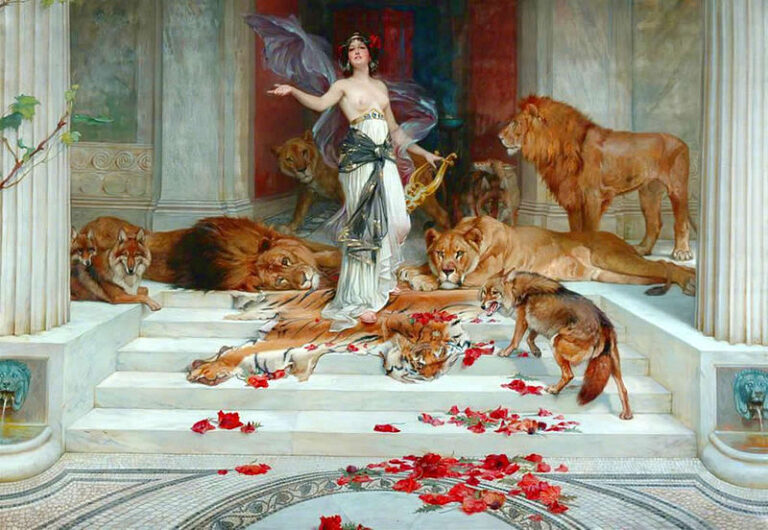
"All this he saw, for one moment breathless and intense, vivid on the morning sky; and still, as he looked, he lived; and still, as he lived, he wondered."

Tudor Nursery Rhymes & later tunes

My main character uses silly rhimes a lot, both as a trick while thinking and when he has to time something. Since the novel is set in 1701, and many nursery rhymes and tunes were not collected until a century and a half later, I had to ask myself which ones I could refer to without being entirely off the mark. It turns out that many rhymes are popularly considered to date back not only to the XVI Century but, specifically, to a period that has crucial importance for the personal background of my character: the Tudor Era and the reign of Henry VIII. But are those allegations true, and on what are they based?
Let’s try and see. And, while we’re at it, let’s see which other rhymes I can consider using.

And since I loathe the bastard, I won’t put any picture of the King.

Today’s article featuring nursery rhymes, the Dissolution of Monasteries in the Tudor Era, and beheaded queens of different assortments is on my Patreon.


Summertime

Omeros in the Caribbeans

Derek Walcott was a Saint Lucian poet, playwright, and painter, and one of the major voices of Caribbean literature. He won the Nobel Prize in Literature in 1992, and his work often explores Caribbean history, identity, colonial inheritance, and the meeting of European and African

Read More »
books and literature

Ioanna Papadopoulou’s The Castaway and the Witch

I had a genuine “oh shit” moment when I read the author’s preface saying this was darker than “Winter Harvest” because – and I absolutely ADORED “Winter Harvest” – that was pitch-black dark. I thought “we’re all going to die”. This maybe has something to

Read More »
Summertime

The Path You Have to Sing

Alexis Wright‘s Carpentaria, an epic work set in a fictional town called Desperance, opens before there are any people in it at all: an ancestral serpent, “a creature larger than storm clouds,” descends from the stars and drags itself across the wet clay of the

Read More »
Share on LinkedIn
Throw on Reddit
Roll on Tumblr
Mail it
No Comments

Post A Comment

This site uses Akismet to reduce spam. Learn how your comment data is processed.

RELATED POSTS

Omeros in the Caribbeans

Derek Walcott was a Saint Lucian poet, playwright, and painter, and one of the major voices of Caribbean literature. He won the Nobel Prize in Literature in 1992, and his work often explores Caribbean history, identity, colonial inheritance, and the meeting of European and African

Read More

Ioanna Papadopoulou’s The Castaway and the Witch

I had a genuine “oh shit” moment when I read the author’s preface saying this was darker than “Winter Harvest” because – and I absolutely ADORED “Winter Harvest” – that was pitch-black dark. I thought “we’re all going to die”. This maybe has something to

Read More

The Path You Have to Sing

Alexis Wright‘s Carpentaria, an epic work set in a fictional town called Desperance, opens before there are any people in it at all: an ancestral serpent, “a creature larger than storm clouds,” descends from the stars and drags itself across the wet clay of the

Read More