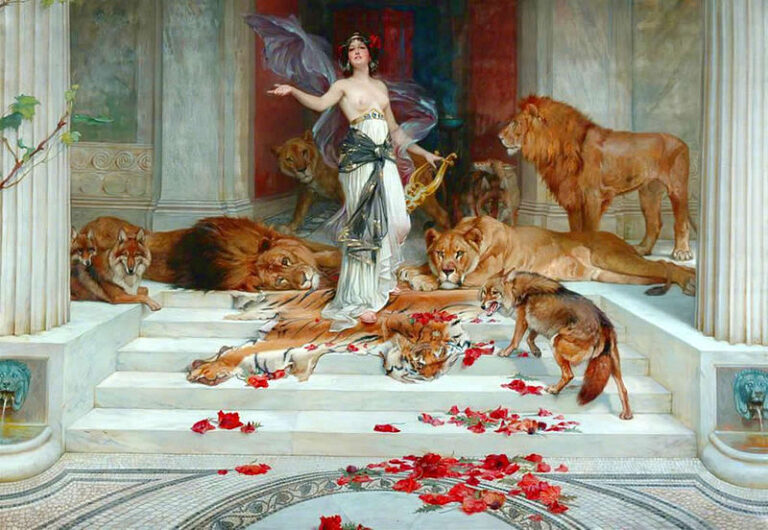
"All this he saw, for one moment breathless and intense, vivid on the morning sky; and still, as he looked, he lived; and still, as he lived, he wondered."

Sherlock, il ritorno

20120116-174736.jpg

Eccolo. È tornato. La serie tv più breve e stuzzicante del 2010 è tornata con una seconda stagione altrettanto breve e altrettanto stuzzicante: lo Sherlock Holmes dei giorni nostri (un favoloso Benedict Cumberbatch, uomo da 600 parole al minuto) torna in compagnia del suo dottor Watson (Martin Freeman, presto o tardi Bilbo sul grande schermo), sempre alle prese con avventure liberamente tratte dalle opere di Conan Doyle ma, questa volta, ricalcanti più da vicino le loro fonti d’ispirazione. Li affiancano alcuni personaggi da un solo episodio, prima in testa Lara Pulvier nel ruolo di Irene Adler (episodio 1, A scandal in Belgravia, ricalcante da vicino il racconto Scandalo in Boemia), già vista in True Blood, Spooks e nell’improponibile Robin Hood di qualche tempo fa. La segue Russel Tovey (episodio 2, The Hounds of Baskerville, vera e propria versione moderna del Mastino originale) ed è quasi un inside joke vederlo interpretare il giovane rampollo perseguitato dal mastino, dopo averlo visto per tre stagioni nel ruolo di licantropo in Being Human. Deliziosi dettagli a parte (primo fra tutti l’espediente del cappello), la serie merita la visione anche solo per la regia frenetica, per la colonna sonora mostruosamente azzeccata, per l’uso spregiudicato delle sovraimpressioni e degli zoom. Un must di questa stagione, peccato mortale non vederlo.

Summertime

Omeros in the Caribbeans

Derek Walcott was a Saint Lucian poet, playwright, and painter, and one of the major voices of Caribbean literature. He won the Nobel Prize in Literature in 1992, and his work often explores Caribbean history, identity, colonial inheritance, and the meeting of European and African

Read More »
books and literature

Ioanna Papadopoulou’s The Castaway and the Witch

I had a genuine “oh shit” moment when I read the author’s preface saying this was darker than “Winter Harvest” because – and I absolutely ADORED “Winter Harvest” – that was pitch-black dark. I thought “we’re all going to die”. This maybe has something to

Read More »
Summertime

The Path You Have to Sing

Alexis Wright‘s Carpentaria, an epic work set in a fictional town called Desperance, opens before there are any people in it at all: an ancestral serpent, “a creature larger than storm clouds,” descends from the stars and drags itself across the wet clay of the

Read More »
Share on LinkedIn
Throw on Reddit
Roll on Tumblr
Mail it
No Comments

Post A Comment

This site uses Akismet to reduce spam. Learn how your comment data is processed.

RELATED POSTS

Omeros in the Caribbeans

Derek Walcott was a Saint Lucian poet, playwright, and painter, and one of the major voices of Caribbean literature. He won the Nobel Prize in Literature in 1992, and his work often explores Caribbean history, identity, colonial inheritance, and the meeting of European and African

Read More

Ioanna Papadopoulou’s The Castaway and the Witch

I had a genuine “oh shit” moment when I read the author’s preface saying this was darker than “Winter Harvest” because – and I absolutely ADORED “Winter Harvest” – that was pitch-black dark. I thought “we’re all going to die”. This maybe has something to

Read More

The Path You Have to Sing

Alexis Wright‘s Carpentaria, an epic work set in a fictional town called Desperance, opens before there are any people in it at all: an ancestral serpent, “a creature larger than storm clouds,” descends from the stars and drags itself across the wet clay of the

Read More