"All this he saw, for one moment breathless and intense, vivid on the morning sky; and still, as he looked, he lived; and still, as he lived, he wondered."

#BIMpill – Le “dimensioni” e gli usi

Uno dei concetti che godono di maggior popolarità in BIM è forse quello delle “dimensioni”. Si tratta di un concetto che ha grande appeal commerciale: dà un senso di progressione, di evoluzione, è breve, apparentemente semplice, coglie l’attenzione. È un concetto che viene associato a quello di usi del modello, se non spesso sostituito, e viene formalizzato già nella parte 1 della UNI 11337. Spesso però ci si dimentica di alcuni dettagli fondamentali, che pure la norma stessa tenta di chiarire.

Dalle prime definizioni, dovrebbe essere chiaro che almeno nelle intenzioni alcuni usi specifici (la gestione dell’asset, ad esempio) sono possibili solo laddove al modello siano applicate alcune delle altre dimensioni.

Oltre a questo, è bene ricordare che le etichette, in particolare queste etichette, non sono sufficienti a chiarire davvero che cosa si richiede da parte dei modelli. La dimensione temporale può avere diverse accezioni e diversi livelli di granularità, diversi obiettivi a seconda delle criticità e delle fasi del processo, così come dietro alla dimensione economica può nascondersi un mondo, la cui superficie abbiamo scalfito qualche settimana fa parlando della contabilità di cantiere.

L’intento della norma nell’esposizione di questi concetti è fornire dei punti di riferimento, una bussola, ma non possono essere in alcun modo essere considerati esaustivi di un processo ben definito.


books and literature

In the (Digital) Swarm

Byung-Chul Han is a contemporary German philosopher born in Korea whose work explores the transformation of subjectivity, power, and social relations in late modern and digital societies. In the Swarm fits within this broader inquiry, focusing specifically on the effects of digital communication on perception,

Read More »
architecture, engineering and construction

One can easily say Dynamo

1. Prologue: The Add-On Debate (or, a False Choice) 1.1 “Use an Add-On” vs “Everyone Should Code” There are two stock answers that reliably surface whenever automation in BIM is mentioned: The second one is disarmingly simple: spend those five bucks and just use an

Read More »
art and fashion

The Painters of the Revolution

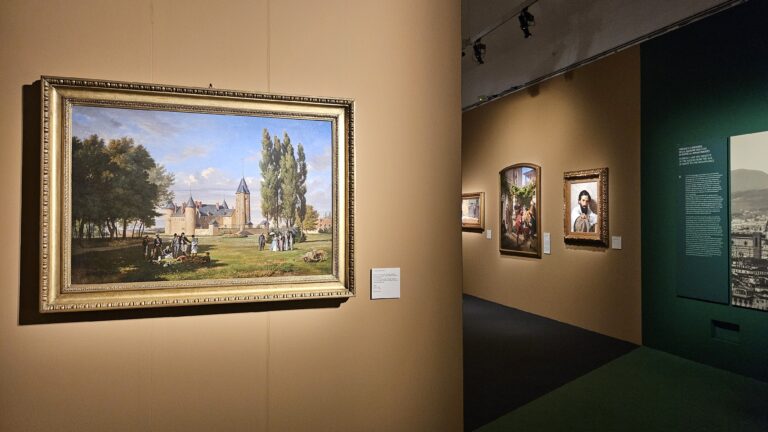
I have a problem with the artistic current of the Macchiaioli, and my problem is that I always get them mixed up with Divisionism. And I don’t like Divisionism, so I almost skipped this exhibition, and that would have been a shame because I do

Read More »
Share on LinkedIn
Throw on Reddit
Roll on Tumblr
Mail it
No Comments

Post A Comment

This site uses Akismet to reduce spam. Learn how your comment data is processed.

RELATED POSTS

In the (Digital) Swarm

Byung-Chul Han is a contemporary German philosopher born in Korea whose work explores the transformation of subjectivity, power, and social relations in late modern and digital societies. In the Swarm fits within this broader inquiry, focusing specifically on the effects of digital communication on perception,

Read More

One can easily say Dynamo

1. Prologue: The Add-On Debate (or, a False Choice) 1.1 “Use an Add-On” vs “Everyone Should Code” There are two stock answers that reliably surface whenever automation in BIM is mentioned: The second one is disarmingly simple: spend those five bucks and just use an

Read More

The Painters of the Revolution

I have a problem with the artistic current of the Macchiaioli, and my problem is that I always get them mixed up with Divisionism. And I don’t like Divisionism, so I almost skipped this exhibition, and that would have been a shame because I do

Read More