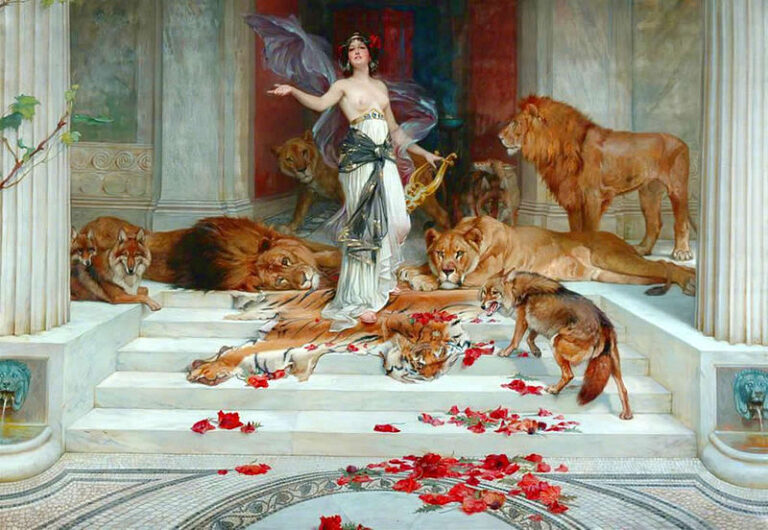
"All this he saw, for one moment breathless and intense, vivid on the morning sky; and still, as he looked, he lived; and still, as he lived, he wondered."

#BIMpill – DevOps e Qualità

Un alto dei principi che amo particolarmente, tra quelli che il framework DevOps mette in campo per ridurre gli sprechi e aumentare la qualità, fa parte della cosiddetta “seconda via”, ovvero il principio del feedback (ne ho parlato presentando il framework nella prima pillola dedicata).

Il principio enuncia il bisogno di spingere la qualità (e il suo controllo) il più possibile vicino alla fonte, ovvero responsabilizzare e rendere responsabili le persone un produzione. Si sposa bene con il principio della non-esistenza del BIM specialist puro, che ho enunciato più volte: in BIM esistono progettisti, ingegneri, specialisti disciplinari, ma la figura del disegnatore non trova corrispettivo. E, forse, non è mai davvero esistita.

All’interno di questo principio, esistono almeno quattro tipi di controlli di qualità inefficaci:

  1. Richiedere ad un team diverso da quello di sviluppo di portare a termine attività manuali tediose ed esposte ad alti margini di errore che potrebbero essere facilmente automatizzate e portate a termine dal team che ne ha bisogno: team dedicati alla produzione di componenti, al rilevamento delle interferenze, all’annotazione sono strategie fallimentari tipiche di un’azienda tossica;
  2. Richiedere l’approvazione di persone distanti dal lavoro quotidiano, costringendoli a prendere decisioni senza una conoscenza adeguata del lavoro e delle potenziali implicazioni delle loro decisioni, oppure costringendole ad un’approvazione solo meccanica, formale e senza significato;
  3. Creare grandi volumi di documentazione dal dettaglio discutibile, che diventano obsoleti pochissimo tempo dopo la loro redazione (un punto talmente rilevante per quanto riguarda il BIM execution plan che mi sembra quasi offensivo esplicitarlo;
  4. Consegnare grandi quantità di semilavorati a chi deve approvarli e poi attendere il loro feeback (magari sperando che gli errori si perdano nella grande quantità di informazioni).

Summertime

Omeros in the Caribbeans

Derek Walcott was a Saint Lucian poet, playwright, and painter, and one of the major voices of Caribbean literature. He won the Nobel Prize in Literature in 1992, and his work often explores Caribbean history, identity, colonial inheritance, and the meeting of European and African

Read More »
books and literature

Ioanna Papadopoulou’s The Castaway and the Witch

I had a genuine “oh shit” moment when I read the author’s preface saying this was darker than “Winter Harvest” because – and I absolutely ADORED “Winter Harvest” – that was pitch-black dark. I thought “we’re all going to die”. This maybe has something to

Read More »
Summertime

The Path You Have to Sing

Alexis Wright‘s Carpentaria, an epic work set in a fictional town called Desperance, opens before there are any people in it at all: an ancestral serpent, “a creature larger than storm clouds,” descends from the stars and drags itself across the wet clay of the

Read More »
Share on LinkedIn
Throw on Reddit
Roll on Tumblr
Mail it
2 Comments
  • Fabio de Agostini
    Posted at 20:13h, 14 July Reply

    Breve, intenso, fantastico. Grazie

Post A Comment

This site uses Akismet to reduce spam. Learn how your comment data is processed.

RELATED POSTS

Omeros in the Caribbeans

Derek Walcott was a Saint Lucian poet, playwright, and painter, and one of the major voices of Caribbean literature. He won the Nobel Prize in Literature in 1992, and his work often explores Caribbean history, identity, colonial inheritance, and the meeting of European and African

Read More

Ioanna Papadopoulou’s The Castaway and the Witch

I had a genuine “oh shit” moment when I read the author’s preface saying this was darker than “Winter Harvest” because – and I absolutely ADORED “Winter Harvest” – that was pitch-black dark. I thought “we’re all going to die”. This maybe has something to

Read More

The Path You Have to Sing

Alexis Wright‘s Carpentaria, an epic work set in a fictional town called Desperance, opens before there are any people in it at all: an ancestral serpent, “a creature larger than storm clouds,” descends from the stars and drags itself across the wet clay of the

Read More