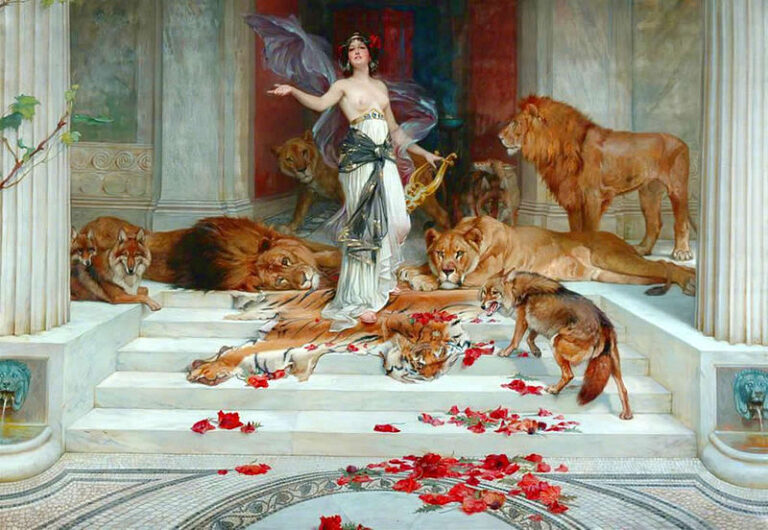
"All this he saw, for one moment breathless and intense, vivid on the morning sky; and still, as he looked, he lived; and still, as he lived, he wondered."

Toki wo Kakeru Rōmajin

20120321-171106.jpg

È un’idea balorda e un’idea balorda come non se ne vedevano dai tempi di Ranma. E il livello di bizzarria nel rapporto con l’acqua è il medesimo, anche se in questo caso il protagonista non si trasforma in un panda bensì… beh, procediamo con ordine.
Thermæ Romæ è un acclamato seinen manga del 2008, vincitore tra l’altro del premio Manga Taishō nel 2010. L’autrice Mari Yamazaki, giapponese trapiantata a Chicago e ospite l’anno scorso al Lucca Comics, non sembra avere a suo carico altre opere pubblicate in Italia e sicuramente Thermæ Romæ è la sua opera di maggior successo, con appena quattro volumi pubblicati in Giappone e una chiusura annunciata con il sesto volume atteso per la fine dell’anno. Di che cosa parla? Quasi mi vergogno a dirlo. Lucio Modesto è un ingegnere nella Roma dell’imperatore Adriano: quando i suoi progetti per delle nuove terme vengono rifiutati dal suo capo, si licenzia dallo studio di architettura in cui lavora e, giusto per svagare la mente, si reca ai bagni, dove… No, non ce la posso fare. Leggetelo e scopritelo da voi: accontentatevi di sapere che, corredata da disegni decisamente deliziosi, è una storia di intrigo e potere, di cultura del benessere, di innovazioni e di un misterioso terribilissimo popolo dalla faccia piatta (che ne sa una più del diavolo, accidenti).
Dal manga è già stato tratto un anime, e c’è fermento per l’uscita del film, nelle sale giapponesi il 28 marzo (a questo indirizzo potete vedere il trailer). Dannazione, il mio orgoglio italico vacilla alla vista di tutto ciò…

Summertime

Omeros in the Caribbeans

Derek Walcott was a Saint Lucian poet, playwright, and painter, and one of the major voices of Caribbean literature. He won the Nobel Prize in Literature in 1992, and his work often explores Caribbean history, identity, colonial inheritance, and the meeting of European and African

Read More »
books and literature

Ioanna Papadopoulou’s The Castaway and the Witch

I had a genuine “oh shit” moment when I read the author’s preface saying this was darker than “Winter Harvest” because – and I absolutely ADORED “Winter Harvest” – that was pitch-black dark. I thought “we’re all going to die”. This maybe has something to

Read More »
Summertime

The Path You Have to Sing

Alexis Wright‘s Carpentaria, an epic work set in a fictional town called Desperance, opens before there are any people in it at all: an ancestral serpent, “a creature larger than storm clouds,” descends from the stars and drags itself across the wet clay of the

Read More »
Share on LinkedIn
Throw on Reddit
Roll on Tumblr
Mail it
No Comments

Post A Comment

This site uses Akismet to reduce spam. Learn how your comment data is processed.

RELATED POSTS

Omeros in the Caribbeans

Derek Walcott was a Saint Lucian poet, playwright, and painter, and one of the major voices of Caribbean literature. He won the Nobel Prize in Literature in 1992, and his work often explores Caribbean history, identity, colonial inheritance, and the meeting of European and African

Read More

Ioanna Papadopoulou’s The Castaway and the Witch

I had a genuine “oh shit” moment when I read the author’s preface saying this was darker than “Winter Harvest” because – and I absolutely ADORED “Winter Harvest” – that was pitch-black dark. I thought “we’re all going to die”. This maybe has something to

Read More

The Path You Have to Sing

Alexis Wright‘s Carpentaria, an epic work set in a fictional town called Desperance, opens before there are any people in it at all: an ancestral serpent, “a creature larger than storm clouds,” descends from the stars and drags itself across the wet clay of the

Read More