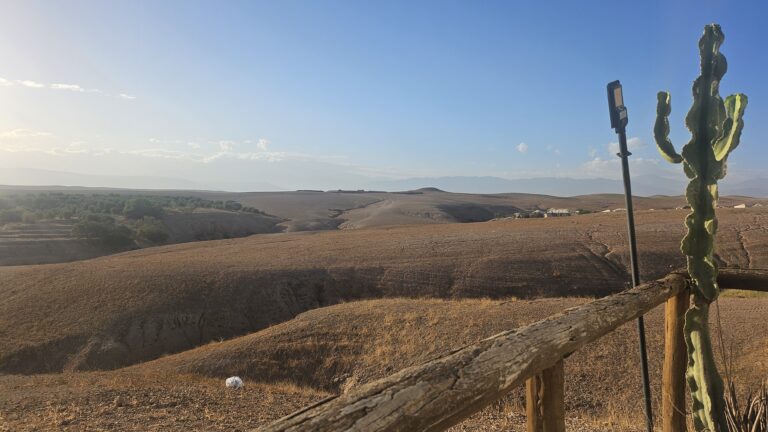
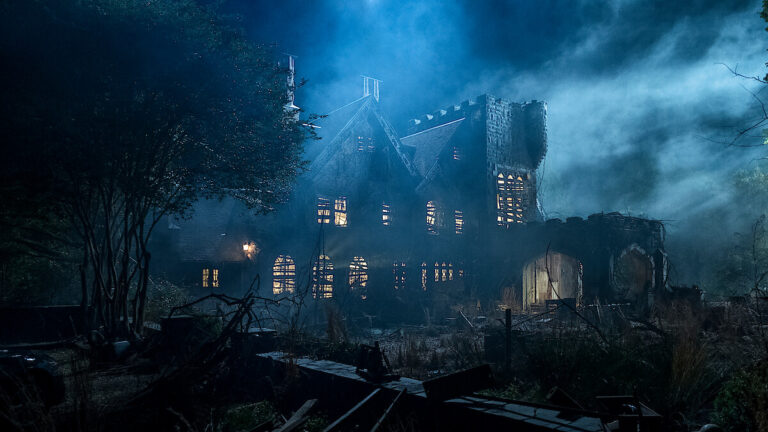
"All this he saw, for one moment breathless and intense, vivid on the morning sky; and still, as he looked, he lived; and still, as he lived, he wondered."

The Legend of Ochi

I have mixed feelings when it comes to movies with puppets. Not that I don’t like puppets, on the contrary, some of my favourite movies of all time are Muppet movies, but very few people can tackle the mixture of craft and poetics you need to make my kind of movie. Too little and it’s a travesty. Too much, it gets pretentious.

So what about the super-indie Legend of Ochi, by debutant Isaiah Saxon featuring Emily Watson and Willem Dafoe?
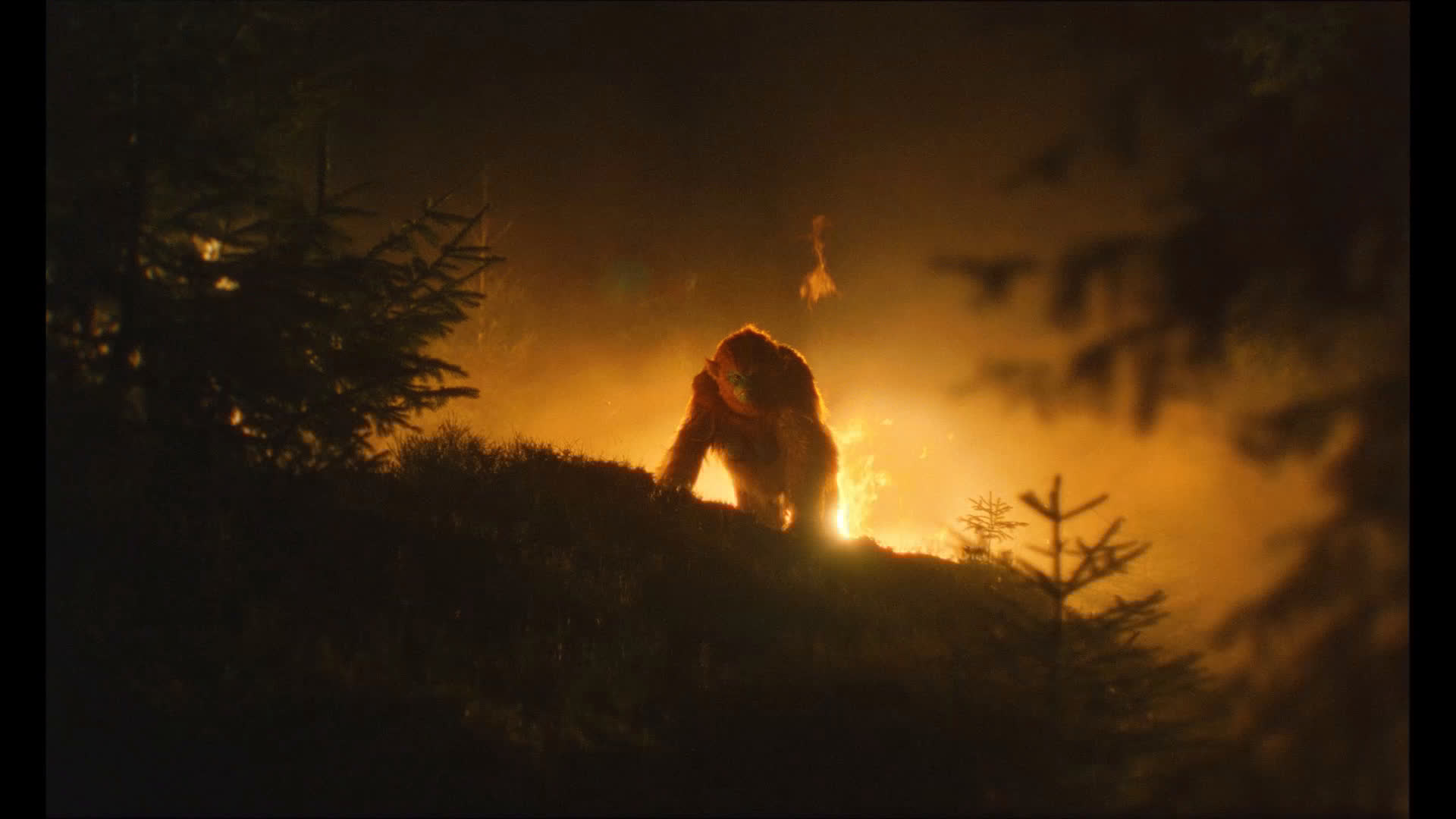
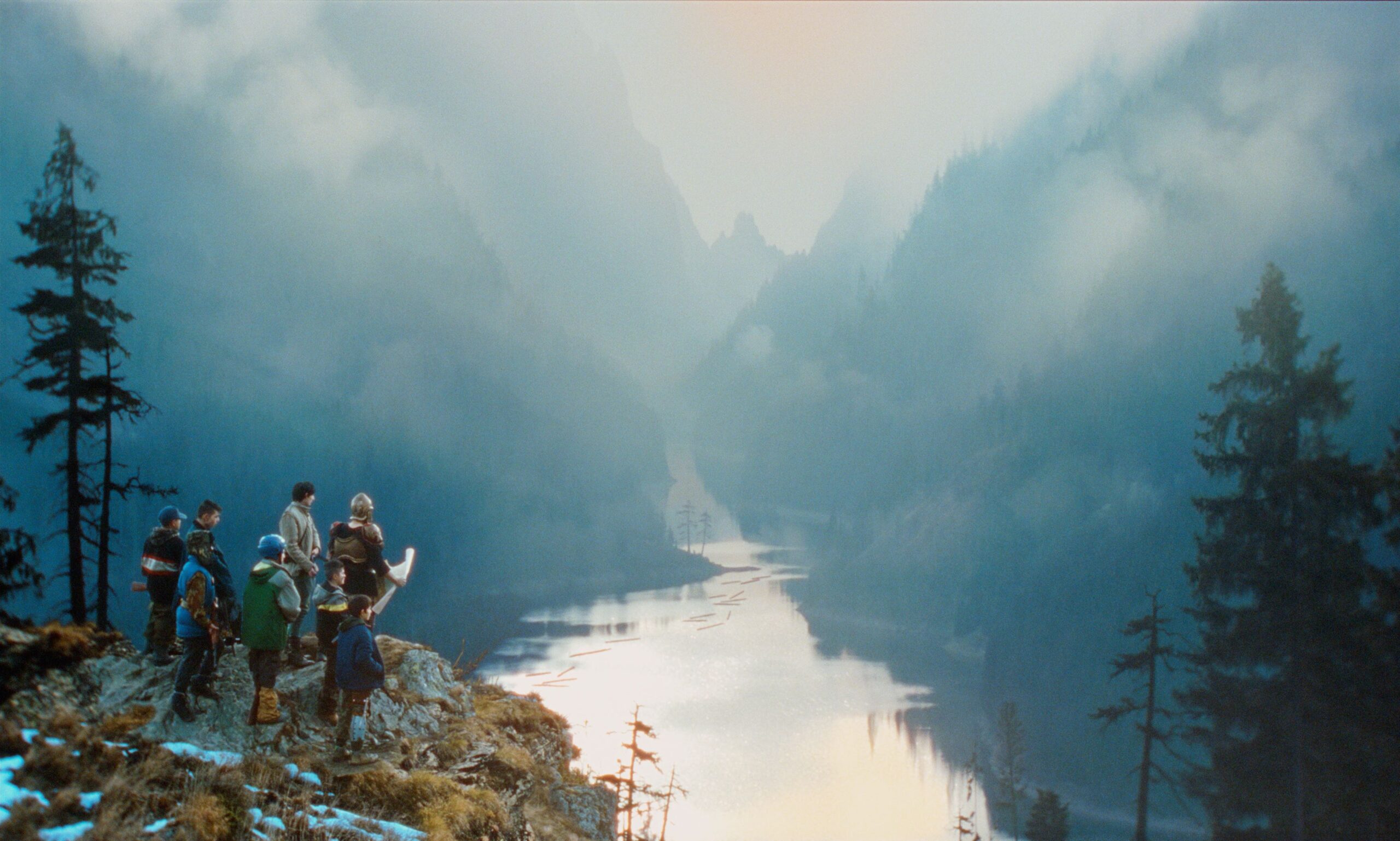
The best way I can describe it is an independent documentary on the gorillas of Transylvania. “But there are no gorillas in Transylvania,” one might say. Well, there are now.

The main idea of the movie takes place on a remote island on the Black Sea, where villagers have been at war with a primate species whose sole bite can kill a man. The villagers hunt these creatures, the Ochi, and this has been taking its toll on society: the beasts are said to kill cattle, people are ruined with the destruction of whole flocks of sheep, and a lunatic farmer — Willem Dafoe — takes it upon himself to collect orphans and estranged children, organise them in a militia, and lead night-time hunts.
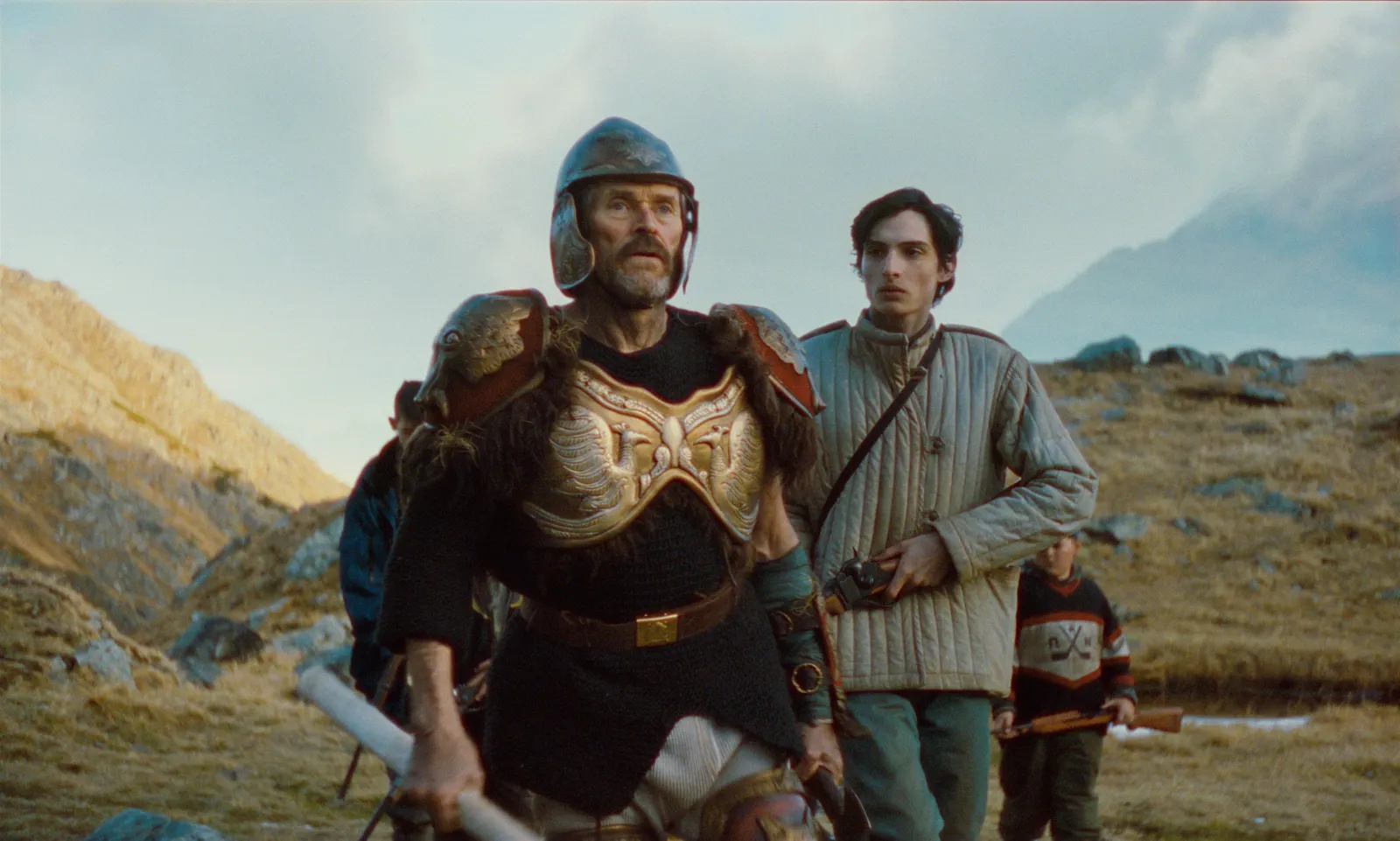
And when I say lunatic…

It all takes a turn when his estranged daughter finds a wounded child of these creatures, the Ochi, has the intuition they’re actually empathic and highly intelligent, and decides to bring him home to his mother (while maybe looking for hers).

The movie is made of long panoramic shots, loads of hiking and delicate interactions. It’s nothing revolutionary and the plot is fairly simple, but it’s honest in what to expect, and delivers.
Hills Like White Elephants

I don’t think Ernest Hemingway needs any introduction, but his Death in the Afternoon maybe does: it’s a 1932 non-fiction book about Spanish bullfighting, and it’s part cultural study, part travel writing, and part reflection on courage, fear, death, and art. It’s not for the

Read More »
Summertime

Mapping the Furrow

Seamus Heaney was a major Irish poet, born in 1939 in County Derry, Northern Ireland, and winner of the Nobel Prize in Literature in 1995. He’s especially known for writing about rural life, memory, language, and Irish history. Death of a Naturalist is both the

Read More »
books and literature

Keanu Reeves & China Miéville: The Book of Elsewhere

It would be a vast understatement to say that this book was a surprise. Not being familiar with the comics (so unfamiliar, in fact, that I didn’t even know they existed), the first impact with the main storyline was “ok, what the hell am I

Read More »
Share on LinkedIn
Throw on Reddit
Roll on Tumblr
Mail it
No Comments

Post A Comment

This site uses Akismet to reduce spam. Learn how your comment data is processed.

RELATED POSTS

Hills Like White Elephants

I don’t think Ernest Hemingway needs any introduction, but his Death in the Afternoon maybe does: it’s a 1932 non-fiction book about Spanish bullfighting, and it’s part cultural study, part travel writing, and part reflection on courage, fear, death, and art. It’s not for the

Read More

Mapping the Furrow

Seamus Heaney was a major Irish poet, born in 1939 in County Derry, Northern Ireland, and winner of the Nobel Prize in Literature in 1995. He’s especially known for writing about rural life, memory, language, and Irish history. Death of a Naturalist is both the

Read More