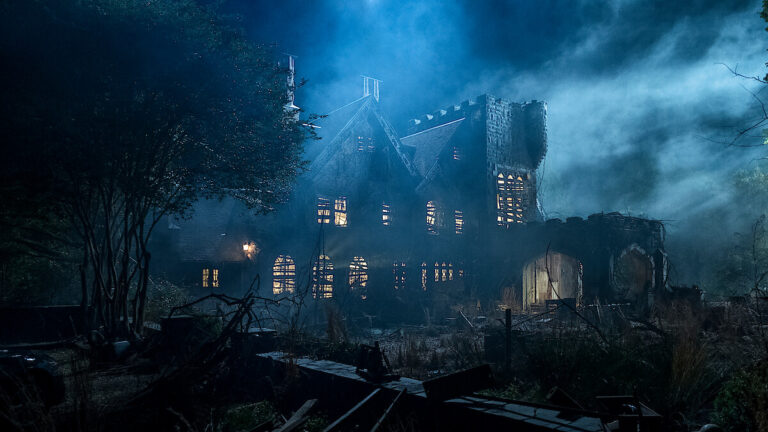
"All this he saw, for one moment breathless and intense, vivid on the morning sky; and still, as he looked, he lived; and still, as he lived, he wondered."

Snow Country

Sometimes you read a book with beautiful prose and well-constructed characters but, when you put it down, you couldn’t tell the plot if your life depended upon it. Kawabata Yasunari‘s Snow Country is one of these books.

Born in 1899, the author won the Nobel Prize for Literature in 1968, so the problem is obviously me.

The prose is a stunning collection of scenes, a hundred different ways to describe the snow and the cold and a woman’s face, but I swear I have no idea what the point of this was. A man goes back to visit a geisha he met the year before, and they carry out an extra-conjugal relationship made of broken conversations and fragmented encounters. He never grows, possibly because he’s a man, while she reaches out and withdraws, evolves from a stand-in to a proper geisha, flutters from states of deep reflection to stumbling drunk in his room and speaking nonsense, all while they’re seemingly hunted by two ghosts: a man who died, and whose medical bills she was paying, and the woman who was taking care of him in the end. I swear it seems there’s a plot, but there’s isn’t. There’s nothing to it. Nothing happens and, when it does, the novel is over. Why?

games, gamification and rpg

Engagement as the Architecture of Learning

A few weeks ago, I gave you my two cents (well, they’re more than two cents, by now) on the future of adult learning, and the first pillar of my theory was the necessity to involve game design. This week, back from Denmark and while

Read More »
books and literature

Ludwig Hohl’s The Ascent

Two very different people attempt to conquer a mountain peak. Are they friends or guide and customer? Who had the idea for the expedition? And, most importantly, what’s the purpose of climbing a mountain? My family and I always had an uncomplicated relationship with mountaineering,

Read More »
books and literature

Ben Okri’s The Famished Road

Azaro is an abiku, a spirit child that sneaks his way into his mother’s womb only to enjoy a brief stay into our world and then die. They’re considered malign spirits and the grief they cause is immense, hence the tradition of scarring the faces

Read More »
Share on LinkedIn
Throw on Reddit
Roll on Tumblr
Mail it
No Comments

Post A Comment

This site uses Akismet to reduce spam. Learn how your comment data is processed.

RELATED POSTS

Engagement as the Architecture of Learning

A few weeks ago, I gave you my two cents (well, they’re more than two cents, by now) on the future of adult learning, and the first pillar of my theory was the necessity to involve game design. This week, back from Denmark and while

Read More

Ludwig Hohl’s The Ascent

Two very different people attempt to conquer a mountain peak. Are they friends or guide and customer? Who had the idea for the expedition? And, most importantly, what’s the purpose of climbing a mountain? My family and I always had an uncomplicated relationship with mountaineering,

Read More

Ben Okri’s The Famished Road

Azaro is an abiku, a spirit child that sneaks his way into his mother’s womb only to enjoy a brief stay into our world and then die. They’re considered malign spirits and the grief they cause is immense, hence the tradition of scarring the faces

Read More