"All this he saw, for one moment breathless and intense, vivid on the morning sky; and still, as he looked, he lived; and still, as he lived, he wondered."

Lisa J. Scheinkopf – Thinking for a Change

Ogni lunedì un libro per iniziare la settimana.

Ho utilizzato di recente questo titolo nella sezione dedicata al Change Management del mio prossimo libro e credo che potrà interessare a chi di voi ricerca un approccio maggiormente strutturato alla gestione del cambiamento.

Il libro fornisce una panoramica della constrained-based perspective su sistemi e organizzazioni, comunemente chiamata teoria dei vincoli o gestione sincrona. Avete presente cosa accade al termine di un workshop LEGO Serious Play che ha previsto la costruzione del sistema? Quello.

Thinking for a Change: Putting the Toc Thinking Processes to Use
di Lisa J. Scheinkopf

Il libro fornisce degli schemi applicativi per i cosiddetti TOC Thinking Processes, ovvero strumenti integrati di problem solving basati su una rigorosa logica di causa-effetto.

Parte 1. Una guida attraverso i principi e i processi fondamentali al cuore del management sincrono.

  1. La teoria dei vincoli;
  2. Primi passi;
  3. Causa sufficiente: Effetto-Causa-Effetto;
  4. Le categorie della riserva legittima;
  5. Pensiero orientato alla condizione necessaria.

Parte 2. Linee guida passo passo per ciascuno dei cinque strumenti di applicazione del processo.

  1. Albero di transizione;
  2. Albero della realtà futura;
  3. Albero della realtà attuale;
  4. Nuvole in evaporazione;
  5. Albero dei prerequisiti.

Parte 3. Due modi di combinare due o più strumenti di applicazione del processo di pensiero.

  1. Analisi completa;
  2. Albero di comunicazione della realtà attuale.

architecture, engineering and construction

Data Lake or Data Swamp? The CDE Dilemma

Last week, I wrote a brief piece mostly intended for my domestic market and we were commenting the draft for the new standard on the professions of BIM, disciplining tasks, knowledge and skills for BIM Managers, BIM Coordinators, BIM Specialists of each discipline, the CDE

Read More »
books and literature

The Legend of the Eagle-Shooting Heroes

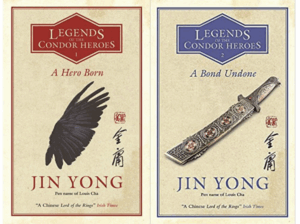
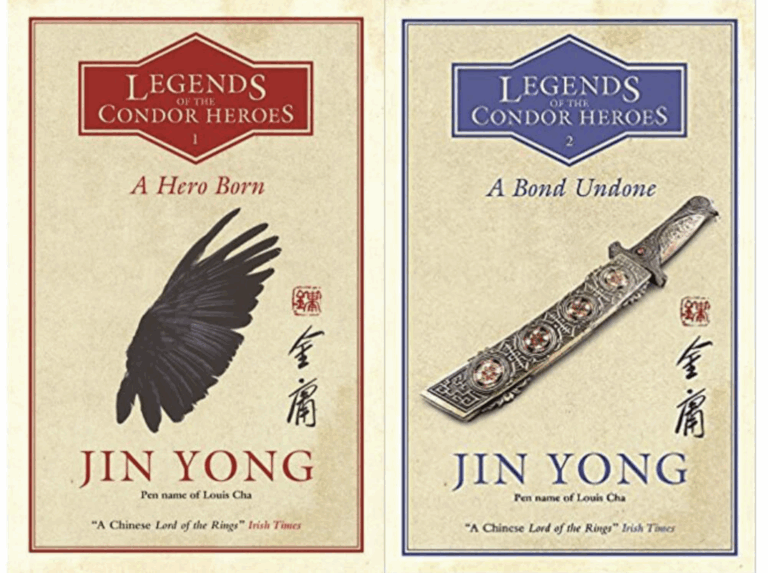
Ok, I tried reading this book, for the reasons I was explaining yesterday. It’s the first part, arbitrarily mutilated from the first novel of a body of work called The Condor Trilogy. Basically they took book 1, Shèdiāo Yīngxióng Zhuàn (射鵰英雄傳) that literally should be

Read More »
books and literature

This Is How You Lose the Time War

This Is How You Lose the Time War is a 2019 science-fiction novella by Canadian writer, critic and poet Amal El-Mohtar and her friend Max Gladstone, an American novelist best known for a series of fantasy novels combining legal, political, and religious conflict with magic.

Read More »
Share on LinkedIn
Throw on Reddit
Roll on Tumblr
Mail it
No Comments

Post A Comment

This site uses Akismet to reduce spam. Learn how your comment data is processed.

RELATED POSTS

Data Lake or Data Swamp? The CDE Dilemma

Last week, I wrote a brief piece mostly intended for my domestic market and we were commenting the draft for the new standard on the professions of BIM, disciplining tasks, knowledge and skills for BIM Managers, BIM Coordinators, BIM Specialists of each discipline, the CDE

Read More

The Legend of the Eagle-Shooting Heroes

Ok, I tried reading this book, for the reasons I was explaining yesterday. It’s the first part, arbitrarily mutilated from the first novel of a body of work called The Condor Trilogy. Basically they took book 1, Shèdiāo Yīngxióng Zhuàn (射鵰英雄傳) that literally should be

Read More

This Is How You Lose the Time War

This Is How You Lose the Time War is a 2019 science-fiction novella by Canadian writer, critic and poet Amal El-Mohtar and her friend Max Gladstone, an American novelist best known for a series of fantasy novels combining legal, political, and religious conflict with magic.

Read More