"All this he saw, for one moment breathless and intense, vivid on the morning sky; and still, as he looked, he lived; and still, as he lived, he wondered."

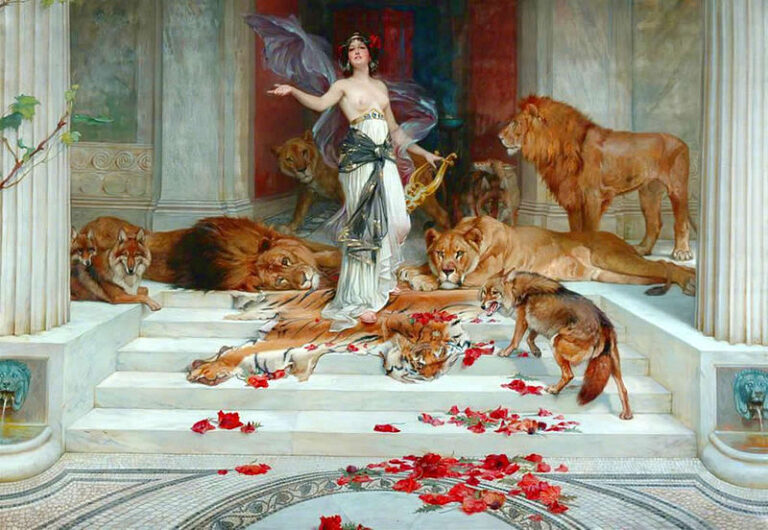
Jane the Fool

When we think about Court Fools, the mind immediately associates them with jesters. We might think of capers, jokes and, eventually, physical disability.
This is, however, a concept that was consolidated in Elizabethan times, and there’s a portion of Early Reinassance in which another kind of fool was mostly popular: the innocent.
Today we take a look at this kind of concept, as one of the historical innocents at the Tudor court features in the flash-backs of my Gothic Novel. Those of you in the higher tier will be able to read about this character in the three-parts chapter that will be published this week on Patreon.

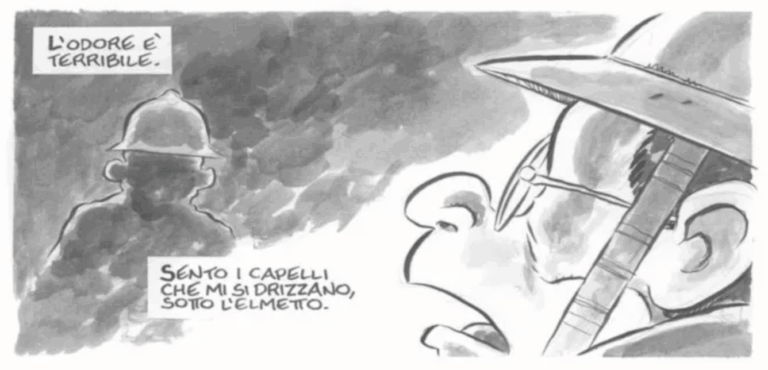
Hills Like White Elephants

I don’t think Ernest Hemingway needs any introduction, but his Death in the Afternoon maybe does: it’s a 1932 non-fiction book about Spanish bullfighting, and it’s part cultural study, part travel writing, and part reflection on courage, fear, death, and art. It’s not for the

Read More »
Summertime

Mapping the Furrow

Seamus Heaney was a major Irish poet, born in 1939 in County Derry, Northern Ireland, and winner of the Nobel Prize in Literature in 1995. He’s especially known for writing about rural life, memory, language, and Irish history. Death of a Naturalist is both the

Read More »
books and literature

Keanu Reeves & China Miéville: The Book of Elsewhere

It would be a vast understatement to say that this book was a surprise. Not being familiar with the comics (so unfamiliar, in fact, that I didn’t even know they existed), the first impact with the main storyline was “ok, what the hell am I

Read More »
Share on LinkedIn
Throw on Reddit
Roll on Tumblr
Mail it
No Comments

Post A Comment

This site uses Akismet to reduce spam. Learn how your comment data is processed.

RELATED POSTS

Hills Like White Elephants

I don’t think Ernest Hemingway needs any introduction, but his Death in the Afternoon maybe does: it’s a 1932 non-fiction book about Spanish bullfighting, and it’s part cultural study, part travel writing, and part reflection on courage, fear, death, and art. It’s not for the

Read More

Mapping the Furrow

Seamus Heaney was a major Irish poet, born in 1939 in County Derry, Northern Ireland, and winner of the Nobel Prize in Literature in 1995. He’s especially known for writing about rural life, memory, language, and Irish history. Death of a Naturalist is both the

Read More