"All this he saw, for one moment breathless and intense, vivid on the morning sky; and still, as he looked, he lived; and still, as he lived, he wondered."

Grimm

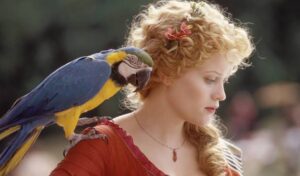
20120117-151820.jpg

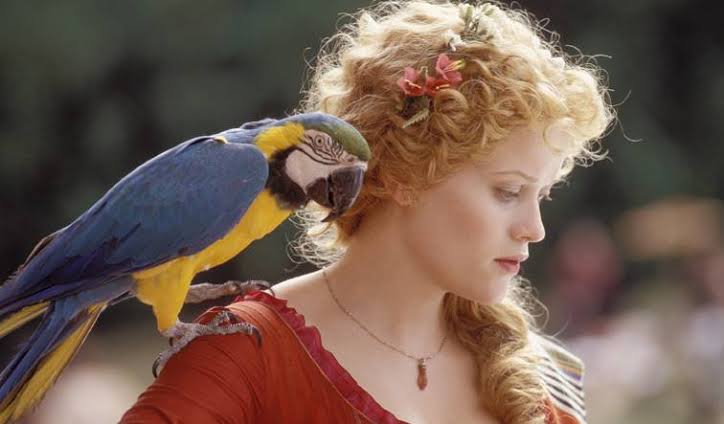
L’idea di prendere personaggi delle fiabe e trasporli nel mondo moderno sembra essere tornata di moda, anche se sto ancora aspettando un remake di The Charmings (qualcuno se la ricorda?). Grimm tuttavia non è la solita storia di nuove ed oscure fiabe moderne, ma parte da più indietro, dall’idea che i fratelli Grimm altro non fossero che profiler ante litteram, studosi di personalità omicide e di creature che, celate sotto un aspetto comune, covano insiti nella loro natura i più turpi istinti omicidi. Abbiamo quindi i blutbads (beh, no, il plurale è blutbaden), discendenti del lupo cattivo, con la loro ossessione pedofila e cannibale per le ragazzine vestite in rosso, o gli jägerbären (beh, no, è semplicemente jägerbärs), estremamente territoriali e legati alla famiglia, nonché dediti a truculenti riti di passaggio. Alle prese con questo nuovo panorama di criminali, il detective Nick Burkhardt, che riceve le consegne dalla nonna ninja (Kate Burton, bellissima) e scopre di essere discendente dei Grimm, con il potere di vedere queste creature per quello che realmente sono. Altri poteri un filo più attivi sarebbero stati, immagino, graditi. All’impianto investigativo classico (un episodio, un caso da risolvere, un nuovo tipo di creatura) si aggiunge la sotto-trama complottiata che coinvolge Claire Coffee (il clone della bionda vampira in The Dresden Files) e il comandante della polizia Sasha Roiz, già in Caprica e Wharehouse 13. Scelte grafiche e regia interessanti, effetti visivi non troppo orribili, recitazione accettabile e qualche sana esplosione.
Summertime

The Voice of Things

Francis Ponge, a French poet mostly concentrated on everyday objects, wrote Le Parti pris des choses in seclusion during the German occupation of France, and published it in 1942. The title is usually translated into English as Taking the Side of Things (or The Nature

Read More »
architecture, engineering and construction

The Sustained Path

Every text this last few days has, in one way or another, been circling around the same question: what’s a path and what makes a path? Not a road already drawn and simply walked afterward, but a path in the sense that seems to keep

Read More »
Summertime

The Road is Made by Walking

Antonio Machado was a major Spanish poet and playwright, associated with the Generation of ’98, a group of writers who reflected on Spain’s identity and crisis at the turn of the 20th century. He was born in Seville in 1875 and died in 1939 in

Read More »
Share on LinkedIn
Throw on Reddit
Roll on Tumblr
Mail it
2 Comments
  • tafkal
    Posted at 15:07h, 17 January Reply

    e non dimentichiamoci di Silas Weir Mitchell, già sociopatico in My Name is Earl e Prison Break, che qui invece ha un ruolo più… ehm… meno… ok hai capito.

  • Pingback:Shelidon › Lost Seven
    Posted at 11:15h, 04 March Reply

    […] filone rivisitazionista che sembra stia invadendo il mondo delle fiabe, a partire da serie tv come Grimm e Once Upon a Time. Ko Ya-Sung è un autore coreano naturalizzato giapponese di cui in Italia […]

Post A Comment

This site uses Akismet to reduce spam. Learn how your comment data is processed.

RELATED POSTS

The Voice of Things

Francis Ponge, a French poet mostly concentrated on everyday objects, wrote Le Parti pris des choses in seclusion during the German occupation of France, and published it in 1942. The title is usually translated into English as Taking the Side of Things (or The Nature

Read More

The Sustained Path

Every text this last few days has, in one way or another, been circling around the same question: what’s a path and what makes a path? Not a road already drawn and simply walked afterward, but a path in the sense that seems to keep

Read More

The Road is Made by Walking

Antonio Machado was a major Spanish poet and playwright, associated with the Generation of ’98, a group of writers who reflected on Spain’s identity and crisis at the turn of the 20th century. He was born in Seville in 1875 and died in 1939 in

Read More