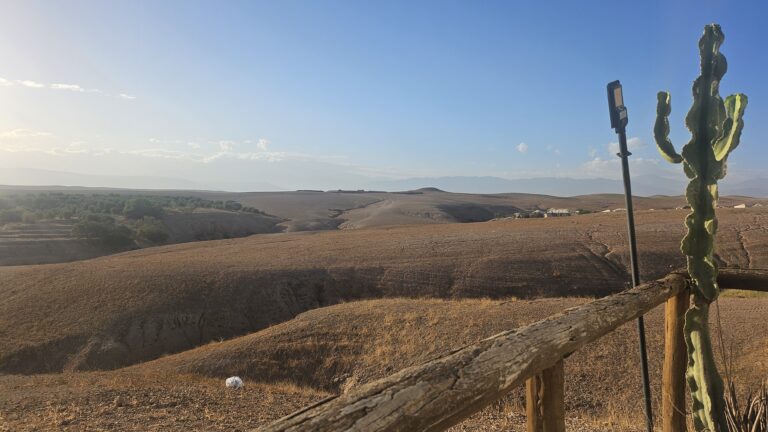
"All this he saw, for one moment breathless and intense, vivid on the morning sky; and still, as he looked, he lived; and still, as he lived, he wondered."

Comunicazione 101

Cara Trenitalia,

Quando ero ragazza, ogni tanto mi capitava di prendere il treno da Milano a Tirano, per raggiungere i miei genitori in vacanza sul lago. È un viaggio verso nord, attraverso la Brianza Felix, che molto presto trasforma la campagna in una collina boscosa e poi, finalmente, il lago.

E li vedevi, i più svegli alla fermata di Monza, i più distratti quando fuori dal finestrino iniziano a comparire i primi laghetti, guardare il proprio biglietto, guardarsi intorno e poi, con quell’espressione caratteristica di chi si rende conto che forse ha fatto una minchiata, chiedere: “Scusi, ma questo treno non va a Torino?”
E la risposta è “No, mi dispiace: questo treno va a Tirano.” Luogo oscuro noto solo a chi frequenta il lago di Como.
“Ah.”
Eh.

E il problema è che non c’è una bretella che da Lecco (o da Monza) ti porta a Torino: devi proprio tornare a Milano e riprovarci, per un totale di almeno un paio d’ore buttate nel cesso.

L’errore era così frequente non solo in virtù dell’assonanza, ma anche per una simpatica scelta di Trenitalia: il treno che andava a Tirano partiva sempre dal binario accanto a quello che andava a Torino.

Figlidellammerda.

Oggi i treni sono diversi: il treno che va a Torino è fatto a forma di treno, mentre quello che va a Tirano è ancora a forma di pentola a pressione. Per cui questa mattina, quando stavo prendendo il treno per Torino, mi sono fermata un istante, prima di salire sul treno già presente al binario, e mi sono detta “Ma è davvero questo catorcio?”
Ed è solo così che sto andando davvero a Torino, dal mio commercialista, e non inaspettatamente al lago a trovare mio papà.

Cara Trenitalia, quando e se metterete finalmente l’alta velocità anche per andare verso nord (cosa della quale dubito fortemente), potreste per favore ricordarvi di cambiare binario?

Un affezionato viaggiatore.

books and literature

Lolly Willowes

Sylvia Townsend Warner is one of the most interesting literary figures of the 21st century, and Lolly Willowes is one of her finest works, even more stunning if you think it was her debut novel. Self-supporting, intellectually independent, and consistently sceptical of social and religious

Read More »
books and literature

Fugitive Telemetry

This is book #6 in the Murderbot series (yes, I accidentally skipped #5, I’m circling back to that), and I’m afraid I didn’t like this as much as the others. The whole investigation felt a bit rushed and, though the final twist is interesting in

Read More »
architecture, engineering and construction

The Discipline of Inspiration: Valéry and the Algorithmic Mind

Paul Valéry rejected inspiration as miracle, seeing creativity as the discipline of thought in motion. This week, we parallel his notion of mental “operations” with computational procedures in design: iteration, optimisation, constraint, and recombination, and challenge the dichotomy between intuition and automation. Drawing on contemporary

Read More »
Share on LinkedIn
Throw on Reddit
Roll on Tumblr
Mail it
No Comments

Post A Comment

This site uses Akismet to reduce spam. Learn how your comment data is processed.

RELATED POSTS

Lolly Willowes

Sylvia Townsend Warner is one of the most interesting literary figures of the 21st century, and Lolly Willowes is one of her finest works, even more stunning if you think it was her debut novel. Self-supporting, intellectually independent, and consistently sceptical of social and religious

Read More

Fugitive Telemetry

This is book #6 in the Murderbot series (yes, I accidentally skipped #5, I’m circling back to that), and I’m afraid I didn’t like this as much as the others. The whole investigation felt a bit rushed and, though the final twist is interesting in

Read More

The Discipline of Inspiration: Valéry and the Algorithmic Mind

Paul Valéry rejected inspiration as miracle, seeing creativity as the discipline of thought in motion. This week, we parallel his notion of mental “operations” with computational procedures in design: iteration, optimisation, constraint, and recombination, and challenge the dichotomy between intuition and automation. Drawing on contemporary

Read More