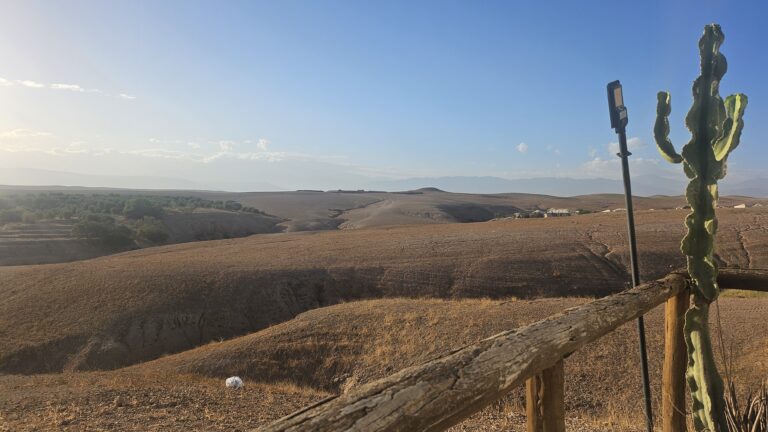
"All this he saw, for one moment breathless and intense, vivid on the morning sky; and still, as he looked, he lived; and still, as he lived, he wondered."

Comunicazione 101

Cara Trenitalia,

Quando ero ragazza, ogni tanto mi capitava di prendere il treno da Milano a Tirano, per raggiungere i miei genitori in vacanza sul lago. È un viaggio verso nord, attraverso la Brianza Felix, che molto presto trasforma la campagna in una collina boscosa e poi, finalmente, il lago.

E li vedevi, i più svegli alla fermata di Monza, i più distratti quando fuori dal finestrino iniziano a comparire i primi laghetti, guardare il proprio biglietto, guardarsi intorno e poi, con quell’espressione caratteristica di chi si rende conto che forse ha fatto una minchiata, chiedere: “Scusi, ma questo treno non va a Torino?”
E la risposta è “No, mi dispiace: questo treno va a Tirano.” Luogo oscuro noto solo a chi frequenta il lago di Como.
“Ah.”
Eh.

E il problema è che non c’è una bretella che da Lecco (o da Monza) ti porta a Torino: devi proprio tornare a Milano e riprovarci, per un totale di almeno un paio d’ore buttate nel cesso.

L’errore era così frequente non solo in virtù dell’assonanza, ma anche per una simpatica scelta di Trenitalia: il treno che andava a Tirano partiva sempre dal binario accanto a quello che andava a Torino.

Figlidellammerda.

Oggi i treni sono diversi: il treno che va a Torino è fatto a forma di treno, mentre quello che va a Tirano è ancora a forma di pentola a pressione. Per cui questa mattina, quando stavo prendendo il treno per Torino, mi sono fermata un istante, prima di salire sul treno già presente al binario, e mi sono detta “Ma è davvero questo catorcio?”
Ed è solo così che sto andando davvero a Torino, dal mio commercialista, e non inaspettatamente al lago a trovare mio papà.

Cara Trenitalia, quando e se metterete finalmente l’alta velocità anche per andare verso nord (cosa della quale dubito fortemente), potreste per favore ricordarvi di cambiare binario?

Un affezionato viaggiatore.

Summertime

The Space You Have to Learn Is There

Annie Dillard is an American writer best known for her lyrical and philosophical essays about nature, attention, and spiritual life. Her most famous book, Pilgrim at Tinker Creek (1974), won the Pulitzer Prize for Nonfiction. It’s a work of made up of connected essays and

Read More »
Summertime

The Voice of Things

Francis Ponge, a French poet mostly concentrated on everyday objects, wrote Le Parti pris des choses in seclusion during the German occupation of France, and published it in 1942. The title is usually translated into English as Taking the Side of Things (or The Nature

Read More »
architecture, engineering and construction

The Sustained Path

Every text this last few days has, in one way or another, been circling around the same question: what’s a path and what makes a path? Not a road already drawn and simply walked afterward, but a path in the sense that seems to keep

Read More »
Share on LinkedIn
Throw on Reddit
Roll on Tumblr
Mail it
No Comments

Post A Comment

This site uses Akismet to reduce spam. Learn how your comment data is processed.

RELATED POSTS

The Space You Have to Learn Is There

Annie Dillard is an American writer best known for her lyrical and philosophical essays about nature, attention, and spiritual life. Her most famous book, Pilgrim at Tinker Creek (1974), won the Pulitzer Prize for Nonfiction. It’s a work of made up of connected essays and

Read More

The Voice of Things

Francis Ponge, a French poet mostly concentrated on everyday objects, wrote Le Parti pris des choses in seclusion during the German occupation of France, and published it in 1942. The title is usually translated into English as Taking the Side of Things (or The Nature

Read More

The Sustained Path

Every text this last few days has, in one way or another, been circling around the same question: what’s a path and what makes a path? Not a road already drawn and simply walked afterward, but a path in the sense that seems to keep

Read More