"All this he saw, for one moment breathless and intense, vivid on the morning sky; and still, as he looked, he lived; and still, as he lived, he wondered."

Byung-Chul Han’s “Saving Beauty”

Saving Beauty (La Salvezza del Bello in Italian) is a short philosophical book (original German title: Schönheit retten) by cultural theorist Byung‑Chul Han, and it focuses on a critique of contemporary, consumerist notions of beauty, delving of course with the impact of digital technologies on our notion and approach to beauty and meaning.

More organic and less choppy than other writings, it turned out to be an essay in aesthetics through the lenses of what’s considered smooth and rough, pornographic or erotic, digital and physical, and I read it for a lecture I had to give a bunch of architects. I must say they reacted well to the notion that information is pornography.

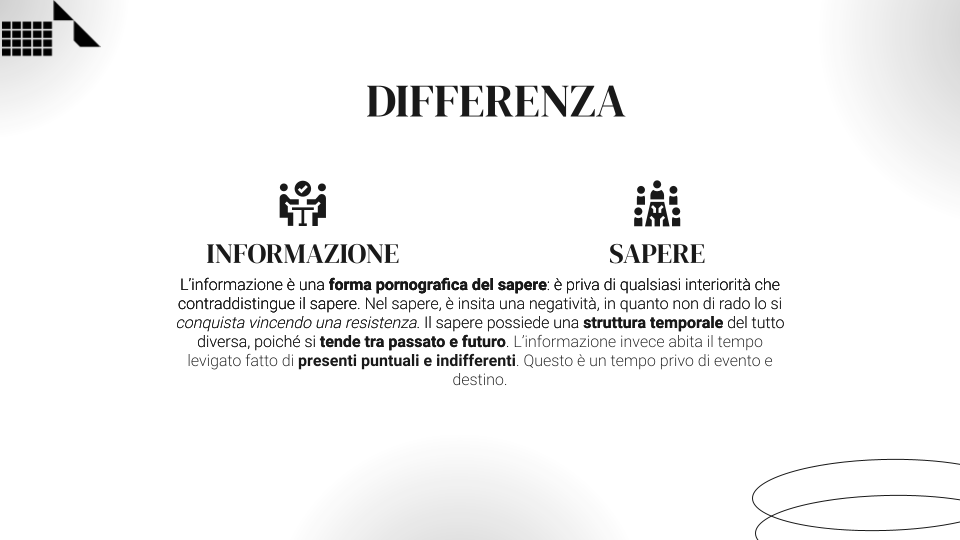
Han diagnoses a shift from a transcendent, unsettling experience of beauty to a smooth, consumable, body‑centred “pornography” of beauty tied to late‑capitalist aesthetics and social‑media likes, and he’s as sharp as ever in contrasting glossy, commodified forms (from pop art and smartphones to grooming trends) with classical, difficult, even dangerous forms of beauty that reveal truth, negativity, and ethical depth. It reconnects aesthetics with political and ethical concerns, arguing that reclaiming a less commodified beauty matters for how we live together under digital capitalism, and it ultimately ties up with education, marking a significant difference between knowledge (hard, time-consuming) and information (easier and more commodified by the minute). This ties neatly with another booklet by the same author, In The Swarm, and I talked about it here.
architecture, engineering and construction

The Saturday Nobody Asked For

Introduction: the question from LinkedIn A friend of mine posted recently about an engineer on their team who had, without being asked, put in an enormous amount of work over a weekend. The post asked a good question: once you’ve seen someone operate at that

Read More »
architecture, engineering and construction

The Digital Ghosts

In Letters to Milena, Franz Kafka tries to name a specific distortion he believes is introduced by mediated communication, such as letters, then (already, in 1922) telecoms. Kafka writes this after a long, anguished correspondence in which he repeatedly doubts what writing letters is doing to him and

Read More »
books and literature

The Bicentennial Man (and other stories)

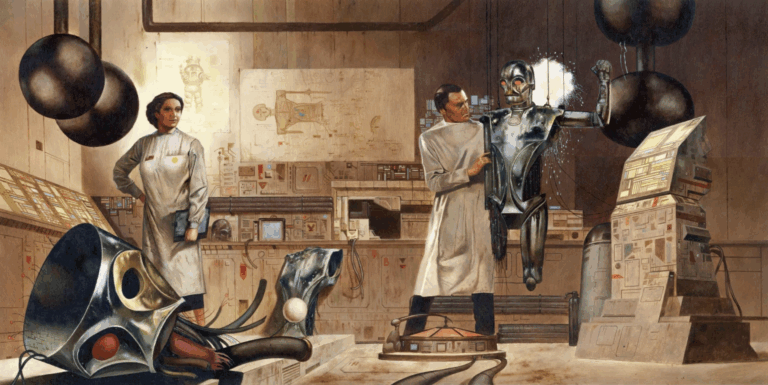
If not for the single story where they cure depression by blasting jazz against brainwaves (not how depression works, I’m afraid), one of the best collections I’ve read so far. It has the sequel of “Marooned off Vesta”, one of Asimov’s the best stories of

Read More »
Share on LinkedIn
Throw on Reddit
Roll on Tumblr
Mail it
No Comments

Post A Comment

This site uses Akismet to reduce spam. Learn how your comment data is processed.

RELATED POSTS

The Digital Ghosts

In Letters to Milena, Franz Kafka tries to name a specific distortion he believes is introduced by mediated communication, such as letters, then (already, in 1922) telecoms. Kafka writes this after a long, anguished correspondence in which he repeatedly doubts what writing letters is doing to him and

Read More

The Bicentennial Man (and other stories)

If not for the single story where they cure depression by blasting jazz against brainwaves (not how depression works, I’m afraid), one of the best collections I’ve read so far. It has the sequel of “Marooned off Vesta”, one of Asimov’s the best stories of

Read More

Rebecca Ferrier’s The Salt Bind

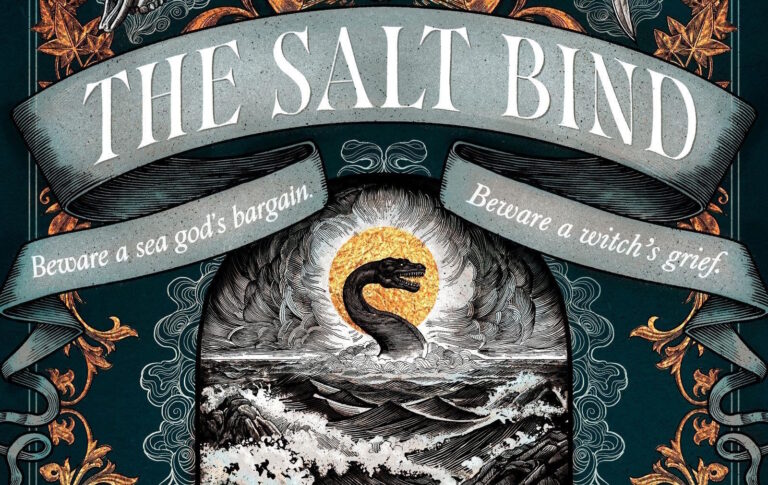
Rebecca Ferrier’s The Salt Bind is a historical fantasy novel, set on the storm-lashed Cornish coast and steeped in folklore, sea magic, and women’s lives on the edge of the sea. It follows Kensa — daughter of a smuggler and with a regularly-complicated relationship with

Read More