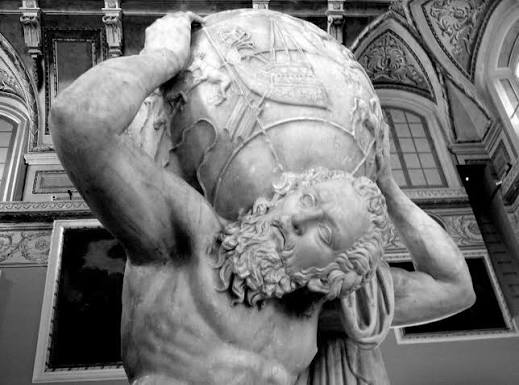
"All this he saw, for one moment breathless and intense, vivid on the morning sky; and still, as he looked, he lived; and still, as he lived, he wondered."

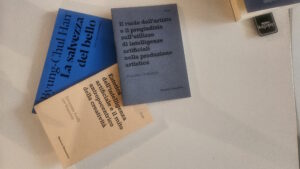
Byung-Chul Han’s “Saving Beauty”

Saving Beauty (La Salvezza del Bello in Italian) is a short philosophical book (original German title: Schönheit retten) by cultural theorist Byung‑Chul Han, and it focuses on a critique of contemporary, consumerist notions of beauty, delving of course with the impact of digital technologies on our notion and approach to beauty and meaning.

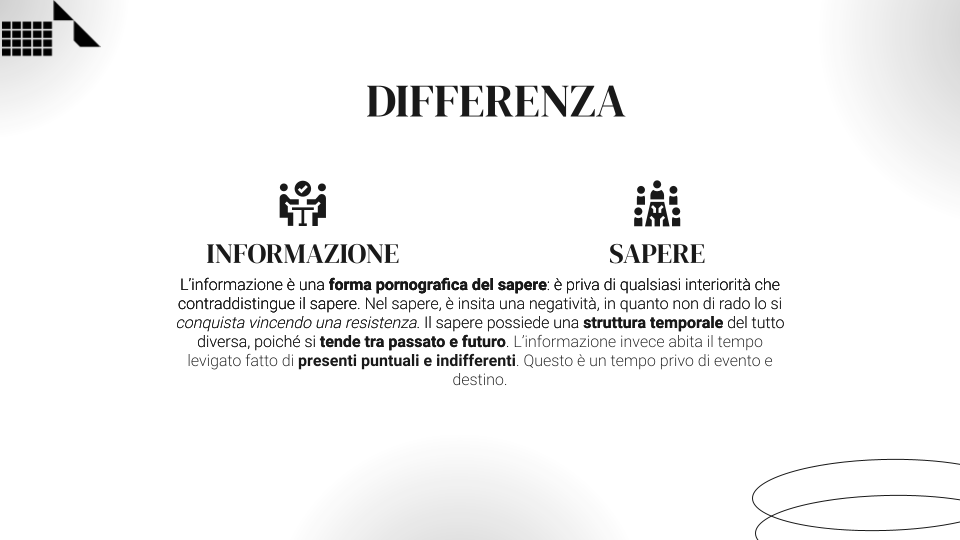
More organic and less choppy than other writings, it turned out to be an essay in aesthetics through the lenses of what’s considered smooth and rough, pornographic or erotic, digital and physical, and I read it for a lecture I had to give a bunch of architects. I must say they reacted well to the notion that information is pornography.

Han diagnoses a shift from a transcendent, unsettling experience of beauty to a smooth, consumable, body‑centred “pornography” of beauty tied to late‑capitalist aesthetics and social‑media likes, and he’s as sharp as ever in contrasting glossy, commodified forms (from pop art and smartphones to grooming trends) with classical, difficult, even dangerous forms of beauty that reveal truth, negativity, and ethical depth. It reconnects aesthetics with political and ethical concerns, arguing that reclaiming a less commodified beauty matters for how we live together under digital capitalism, and it ultimately ties up with education, marking a significant difference between knowledge (hard, time-consuming) and information (easier and more commodified by the minute). This ties neatly with another booklet by the same author, In The Swarm, and I talked about it here.

Hills Like White Elephants

I don’t think Ernest Hemingway needs any introduction, but his Death in the Afternoon maybe does: it’s a 1932 non-fiction book about Spanish bullfighting, and it’s part cultural study, part travel writing, and part reflection on courage, fear, death, and art. It’s not for the

Read More »
Summertime

Mapping the Furrow

Seamus Heaney was a major Irish poet, born in 1939 in County Derry, Northern Ireland, and winner of the Nobel Prize in Literature in 1995. He’s especially known for writing about rural life, memory, language, and Irish history. Death of a Naturalist is both the

Read More »
books and literature

Keanu Reeves & China Miéville: The Book of Elsewhere

It would be a vast understatement to say that this book was a surprise. Not being familiar with the comics (so unfamiliar, in fact, that I didn’t even know they existed), the first impact with the main storyline was “ok, what the hell am I

Read More »
Share on LinkedIn
Throw on Reddit
Roll on Tumblr
Mail it
No Comments

Post A Comment

This site uses Akismet to reduce spam. Learn how your comment data is processed.

RELATED POSTS

Hills Like White Elephants

I don’t think Ernest Hemingway needs any introduction, but his Death in the Afternoon maybe does: it’s a 1932 non-fiction book about Spanish bullfighting, and it’s part cultural study, part travel writing, and part reflection on courage, fear, death, and art. It’s not for the

Read More

Mapping the Furrow

Seamus Heaney was a major Irish poet, born in 1939 in County Derry, Northern Ireland, and winner of the Nobel Prize in Literature in 1995. He’s especially known for writing about rural life, memory, language, and Irish history. Death of a Naturalist is both the

Read More