"All this he saw, for one moment breathless and intense, vivid on the morning sky; and still, as he looked, he lived; and still, as he lived, he wondered."

#BIMpill – Work Breakdown Structure vs. Product Breakdown Structure

Una delle espressioni più popolari nella pianificazione di un progetto, specialmente quando si cerca di darsi un tono, è WBS (acronimo per Work Breakdown Structure). Il termine viene invocato ogni volta che ci si trova in presenza di un codice da assegnare agli oggetti e, nel 90% dei casi, viene utilizzato a sproposito.

Vi è una differenza sostanziale tra WBS, la suddivisione gerarchica delle lavorazioni, e la PBS (Product Breakdown Structure) ovvero la suddivisione gerarchica dei prodotti. Lavorando in BIM, ci si trova in presenza di un modello per sua natura orientato ad oggetti, in cui ad ogni oggetto corrisponde più di una lavorazione o le lavorazioni sono agganciate ad oggetti la cui modellazione esplicita porta scarso valore aggiunto al resto degli usi. Si tratta del problema primario che ci si trova ad affrontare nell’uso di un modello informativo per la pianificazione delle sequenze di lavorazione (che qualcuno chiama “4d”).

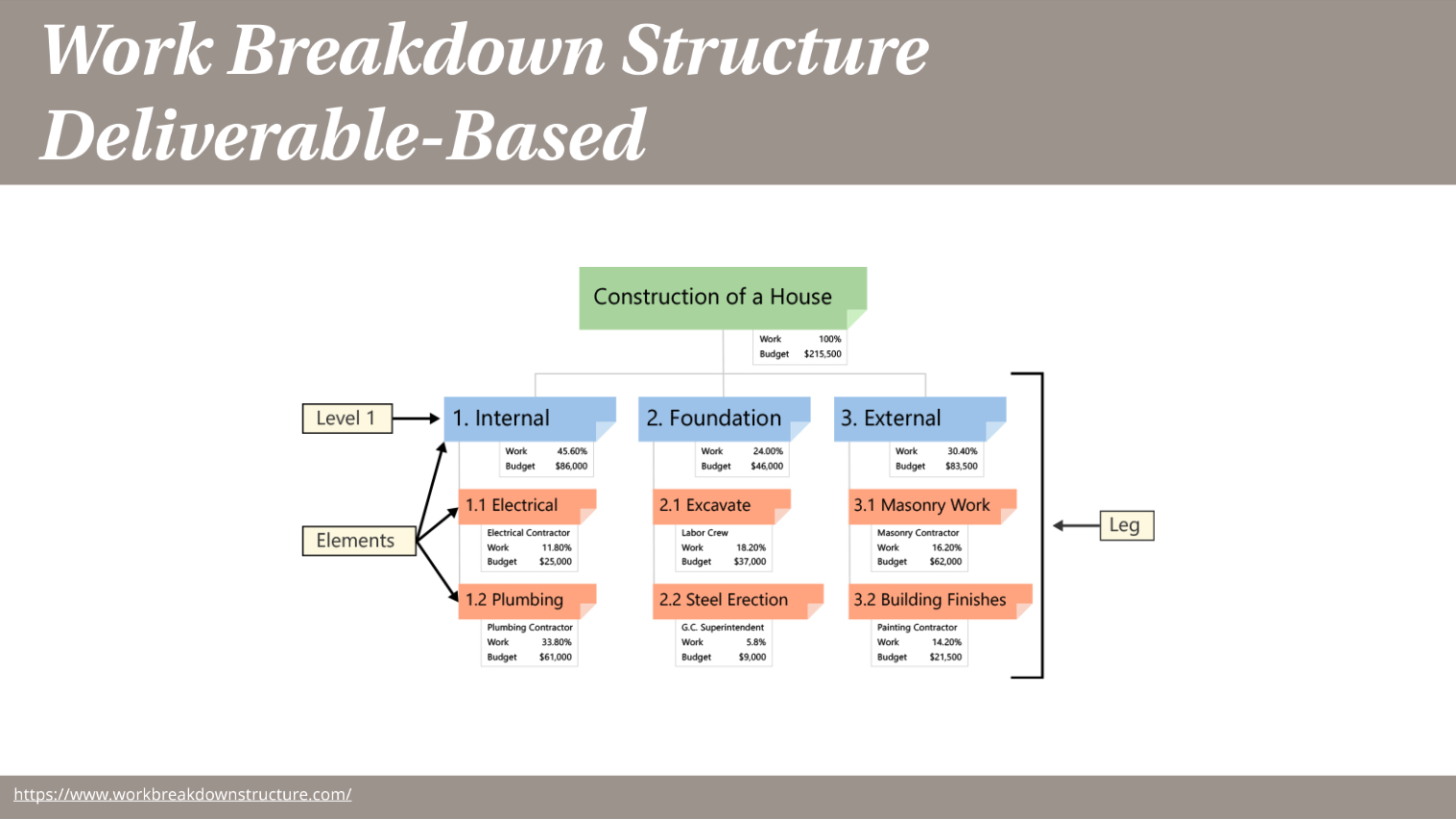
A Product Breakdown Structure (PBS) is a hierarchical structure of things that the project will make or outcomes that it will deliver. It can be thought of as the project “shopping list.” It decomposes a “Main Project Product” into its constituent parts in the form of a hierarchical structure.

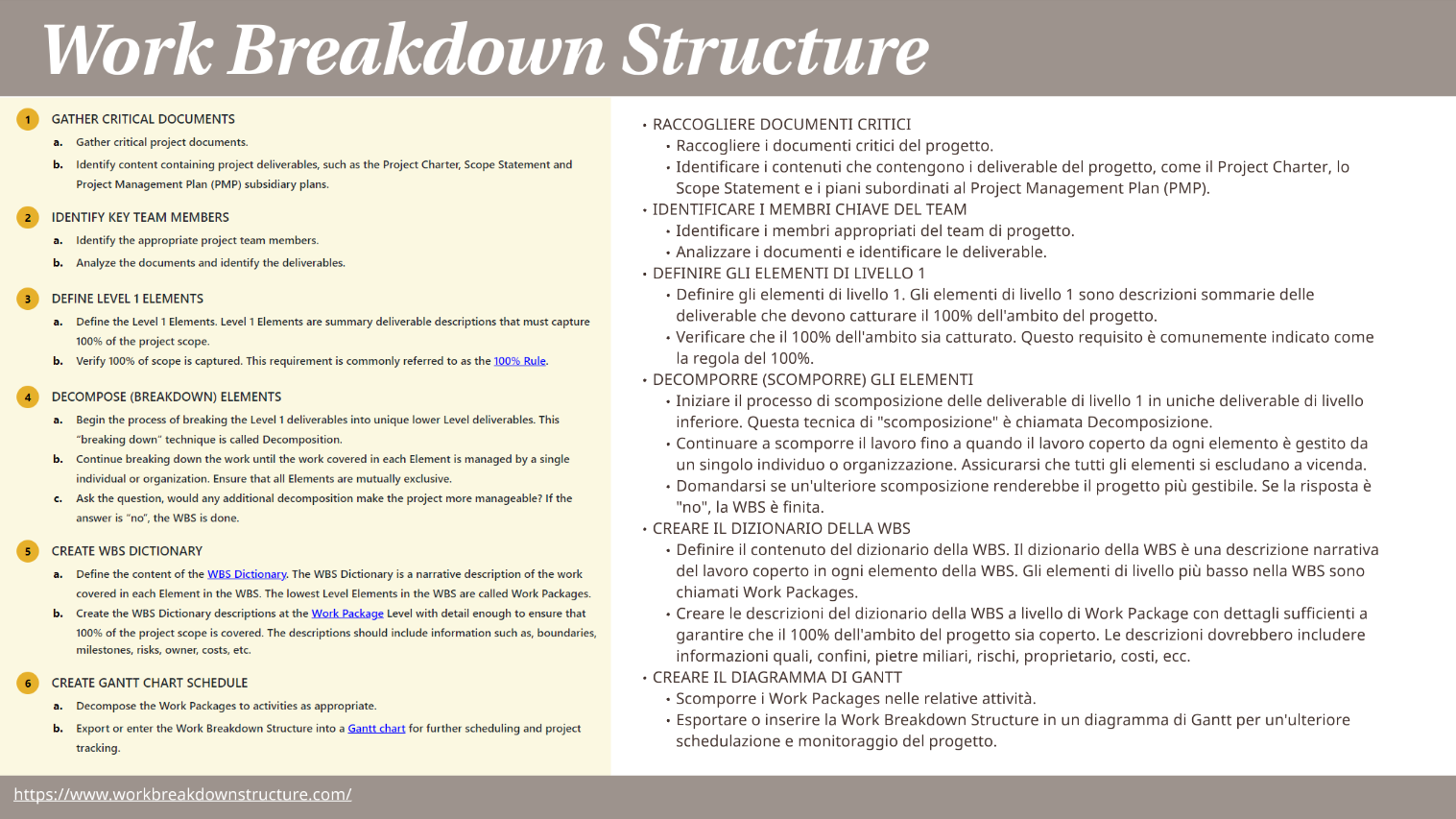
The Work Breakdown Structure (WBS) provides a hierarchical structure of project activity.
The WBS forms the basis of the Project Plan, decomposing the main project into stages, then workpackages then into sub-activities per work-package. The levels of detail are dependent upon the complexity of the project.

Nell’operare questa distinzione, non ci viene purtroppo in soccorso la UNI 11648:2016, in cui ci si dice che la WBS può essere organizzata per:

  • fasi del progetto;
  • principali deliverable;
  • discipline di attività;
  • localizzazione del lavoro.

Nella pillola di questa settimana, vediamo le differenze tra WBS e PBS e qualche trucco per distinguerle. Sul modello, è molto più efficace implementare una buona struttura gerarchica dei prodotti, cui successivamente (e con strumento dedicato) associare le lavorazioni.

Buoni riferimenti è la pagina relativa all’argomento sul sito dell’Association for Project Management, da cui sono prese le definizioni superiori. Trovate anche un sito completamente dedicato all’argomento.
..

Spooktober

Spooktober 24 – The Phantom Farm House (1)

“The Phantom Farmhouse” is a short story written by Seabury Quinn, first published in the October 1923 issue of Weird Tales. It is one of Quinn’s most famous standalone works outside of his popular Jules de Grandin detective series. I had been at the new

Read More »
Spooktober

Spooktober 23 – The Immortal Hand

“The Immortal Hand” is a supernatural short story written by pulp author Arlton Eadie (the pseudonym of Leopold Leonard Eady). It was originally published on March 1929 in Weird Tales and features interior artwork by the prominent pulp illustrator C.C. Senf. “With a calm and

Read More »
Spooktober

Spooktober 22 – The Lifted Veil (2)

Continues from yesterday… CHAPTER II. Before the autumn was at an end, and while the brown leaves still stood thick on the beeches in our park, my brother and Bertha were engaged to each other, and it was understood that their marriage was to take place

Read More »
Share on LinkedIn
Throw on Reddit
Roll on Tumblr
Mail it
No Comments

Post A Comment

This site uses Akismet to reduce spam. Learn how your comment data is processed.

RELATED POSTS

Spooktober 24 – The Phantom Farm House (1)

“The Phantom Farmhouse” is a short story written by Seabury Quinn, first published in the October 1923 issue of Weird Tales. It is one of Quinn’s most famous standalone works outside of his popular Jules de Grandin detective series. I had been at the new

Read More

Spooktober 23 – The Immortal Hand

“The Immortal Hand” is a supernatural short story written by pulp author Arlton Eadie (the pseudonym of Leopold Leonard Eady). It was originally published on March 1929 in Weird Tales and features interior artwork by the prominent pulp illustrator C.C. Senf. “With a calm and

Read More

Spooktober 22 – The Lifted Veil (2)

Continues from yesterday… CHAPTER II. Before the autumn was at an end, and while the brown leaves still stood thick on the beeches in our park, my brother and Bertha were engaged to each other, and it was understood that their marriage was to take place

Read More