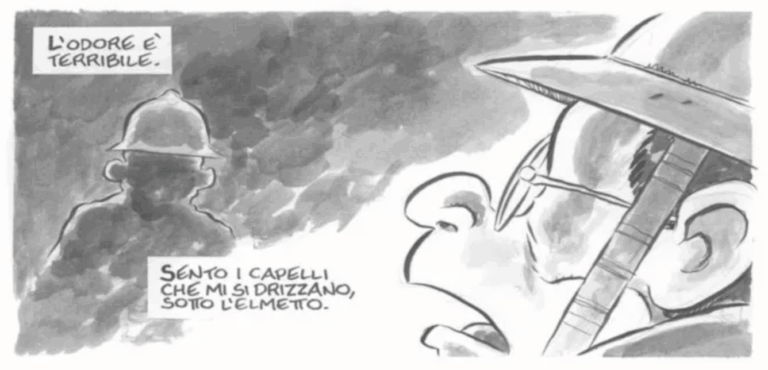
"All this he saw, for one moment breathless and intense, vivid on the morning sky; and still, as he looked, he lived; and still, as he lived, he wondered."

#BIMpill – Le attività del facilitatore

Per concludere questa piccola serie concentrata sul ruolo e sulle attività dello Scrum Master, e su come possono aiutarci ad approcciare in maniera differente il ruolo del BIM coordinator, vediamo quali sono nel concreto i compiti che lo Scrum prevede per questo complicato, cruciale ruolo.

  1. progettare e condurre riunioni ed eventi tenendo presente che è sua responsabilità fare in modo che il team raggiunga i propri obiettivi;
  2. porre domande che abbiano il potere di fornire nuovi spunti di riflessione o aprire nuove prospettive nel modo di operare del team;
  3. ascoltare con lo scopo di comprendere, prima che con lo scopo di agire;
  4. creare un team che sia forte, anziché porre l’accento sulla forza degli individui che lo compongono;
  5. far sì che accada ciò che deve accadere, senza mettere in campo azioni dirette;
  6. facilitare con tocco delicato e non invasivo.

Le guide Scrum ci forniscono poi ulteriori punti chiave sugli approcci che il facilitatore può adottare.
Viene ad esempio consigliato di:

  • essere al servizio del team senza esserne il servitore (una differenza che non è sempre facile comprendere);
  • aiutare il team a prendere decisioni ed a raggiungere un consenso duraturo;
  • occuparsi degli atteggiamenti difficili, dei comportamenti disfunzionali e degli atteggiamenti non produttivi che impediscono alle attività di raggiungere il risultato;
  • essere pronti a fare un passo indietro il prima possibile, quando la squadra è autosufficiente;
  • essere un attento osservatore;
  • sapere quando è il momento di interrompere il team perché rifletta su quanto sta facendo;
  • porre domande e sfide produttive che stimolino il team;
  • aiutare il team a instaurare relazioni di qualità.

Hills Like White Elephants

I don’t think Ernest Hemingway needs any introduction, but his Death in the Afternoon maybe does: it’s a 1932 non-fiction book about Spanish bullfighting, and it’s part cultural study, part travel writing, and part reflection on courage, fear, death, and art. It’s not for the

Read More »
Summertime

Mapping the Furrow

Seamus Heaney was a major Irish poet, born in 1939 in County Derry, Northern Ireland, and winner of the Nobel Prize in Literature in 1995. He’s especially known for writing about rural life, memory, language, and Irish history. Death of a Naturalist is both the

Read More »
books and literature

Keanu Reeves & China Miéville: The Book of Elsewhere

It would be a vast understatement to say that this book was a surprise. Not being familiar with the comics (so unfamiliar, in fact, that I didn’t even know they existed), the first impact with the main storyline was “ok, what the hell am I

Read More »
Share on LinkedIn
Throw on Reddit
Roll on Tumblr
Mail it
No Comments

Post A Comment

This site uses Akismet to reduce spam. Learn how your comment data is processed.

RELATED POSTS

Hills Like White Elephants

I don’t think Ernest Hemingway needs any introduction, but his Death in the Afternoon maybe does: it’s a 1932 non-fiction book about Spanish bullfighting, and it’s part cultural study, part travel writing, and part reflection on courage, fear, death, and art. It’s not for the

Read More

Mapping the Furrow

Seamus Heaney was a major Irish poet, born in 1939 in County Derry, Northern Ireland, and winner of the Nobel Prize in Literature in 1995. He’s especially known for writing about rural life, memory, language, and Irish history. Death of a Naturalist is both the

Read More