
La “pillola” di questa settimana è dedicata ai sistemi di classificazione che, come sapete, sono una mia fissazione. Ne ho già parlato qui, quando su richiesta ho pubblicato le mie slide di spiegazione della ISO 12006 con un parco dei divertimenti, qui quando ho pubblicato le mie vecchie lezioni nella (vana) speranza che gente senza idee proprie la smettesse di fare lezione con la mia roba, qui parlando di specifiche tecniche e qui, la prima volta, in modo particolarmente esteso e anche in relazione a Revit.
Mi trovo ancora modelli con elementi classificati in modo buffo, o non classificati, quindi evidentemente c’è bisogno di fare un altro giro sull’argomento. Perché senza un buon sistema di classificazione, che sia fatto tramite attributo o tramite tassonomia, in BIM non si riesce a fare nulla.
ISO 12006-2:2015 defines a framework for the development of built environment classification systems. It identifies a set of recommended classification table titles for a range of information object classes according to particular views, e.g. by form or function, supported by definitions. It shows how the object classes classified in each table are related, as a series of systems and sub-systems, e.g. in a building information model.
Trovate le solite slide di spiegazione dei livelli, oltre che in questo vecchio post, anche nella presentazione in calce.
I sistemi di classificazione più usati che applicano (o meno) la ISO 12006 sono:
- UniClass
- OmniClass, che racchiude al suo interno Uniformat e il meno amichevole MasterFormat;
- la nostrana UNI 8290-1: 1981, molto poco adatta a essere applicata in un modello BIM.
Specialmente quando operate nell’ambito di un edificio storico, non è impossibile che vi troviate a dover realizzare il vostro sistema di classificazione, la vostra tassonomia.
Tassonomia. Termine […] utilizzato per indicare da un lato le regole nomenclaturali, dall’altro le tecniche per lo studio teorico della classificazione […] attraverso la definizione esatta di principi, procedure e norme che la regolano. Basata un tempo su criteri essenzialmente morfologici e morfometrici, la t. si avvale anche di [altri] metodi e valutazioni […], combinate ad avanzate tecniche di analisi statistica.
– http://www.treccani.it/enciclopedia/tassonomia/
A questo scopo, non è male andare a dare un’occhiata a chi l’ha fatto prima di noi.


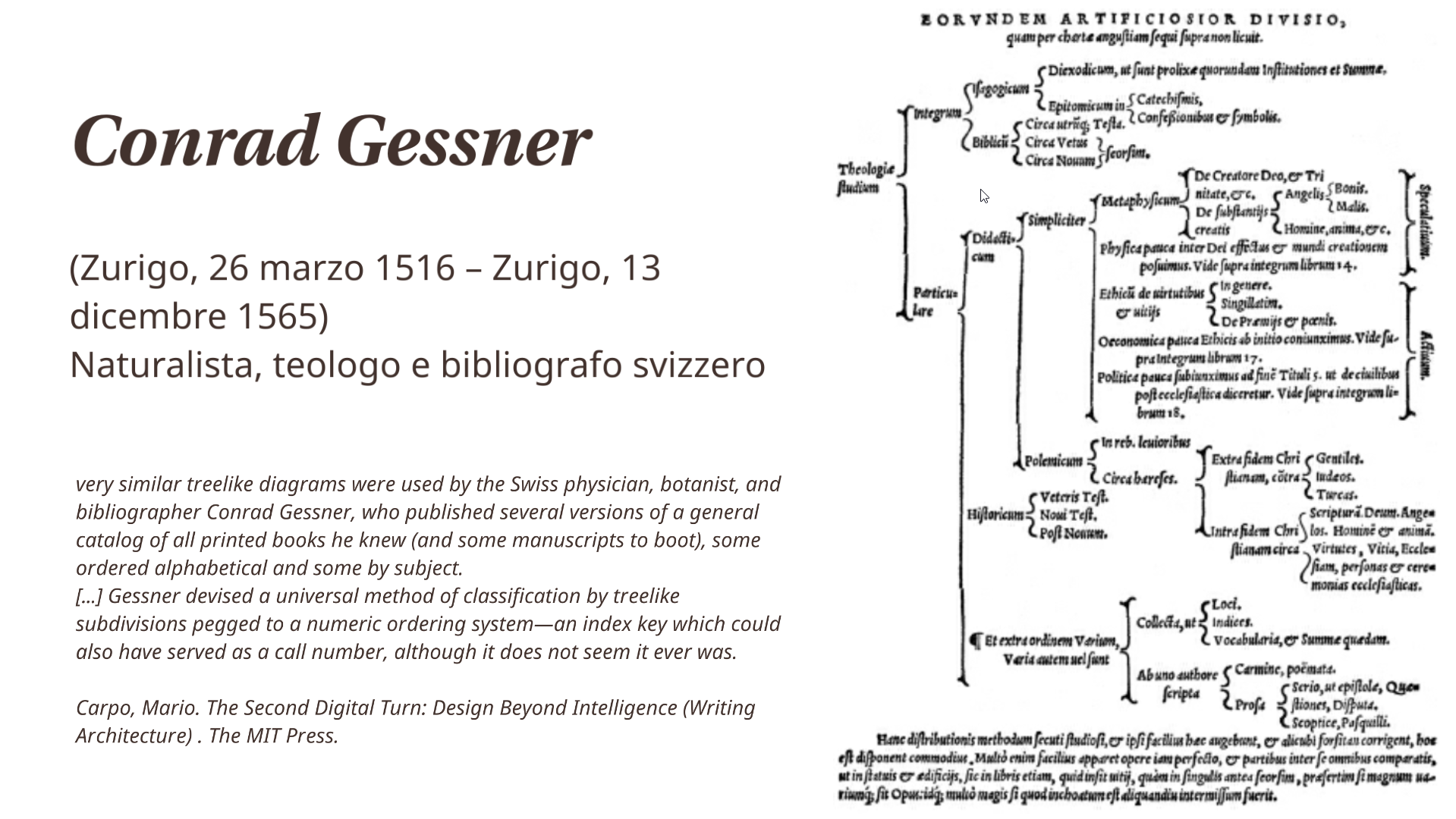

I concetti e la presentazione sono estrapolati da una lezione di BIM.Execution Planning per l’edilizia storica, tenuta in ambito CLEX il 27/06/2020.
..






No Comments