
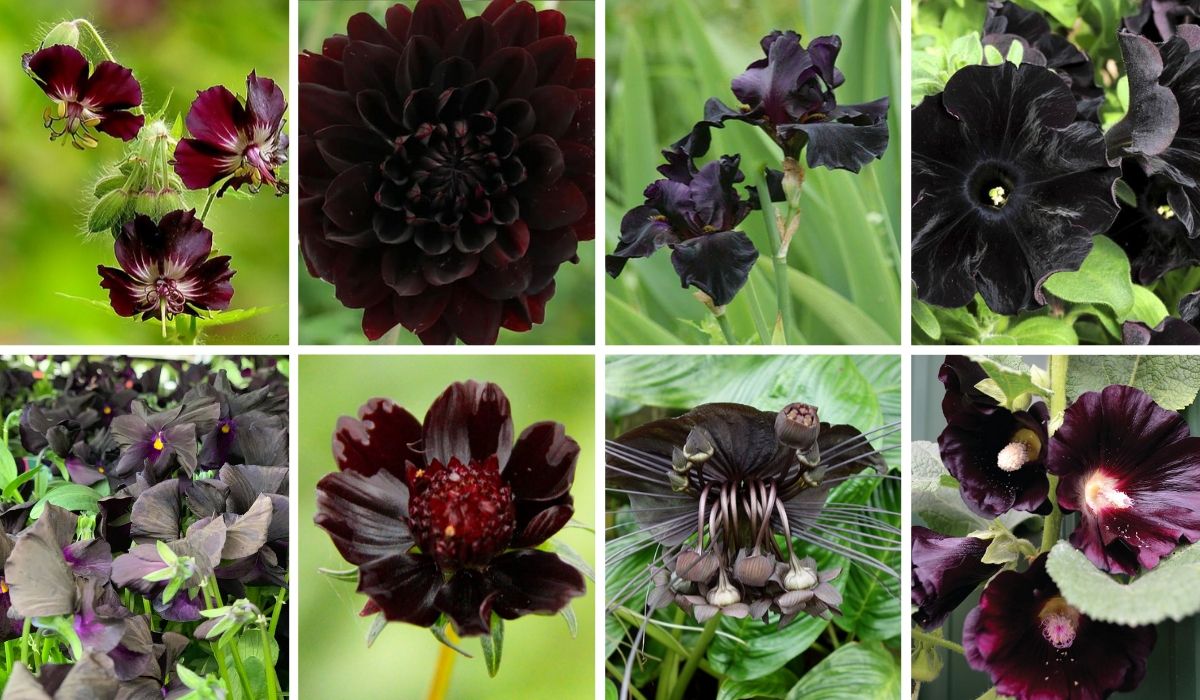
12 Oct #Spooktober 12: The Bridal Ornaments
Today's reading on my Patreon is "The Bridal Ornaments" by Johann August Apel, translated by David Lyndsay for Forget Me Not For 1827 (1826)....
Today's reading on my Patreon is "The Bridal Ornaments" by Johann August Apel, translated by David Lyndsay for Forget Me Not For 1827 (1826)....

The Afanc is one of the most notorious creatures in Welsh mythology, a water-dwelling monster that resides in lakes and rivers. Its physical appearance varies across different tales, with descriptions ranging from a giant beaver or crocodile-like beast to a monstrous, demonic entity with no definite shape. Some versions...
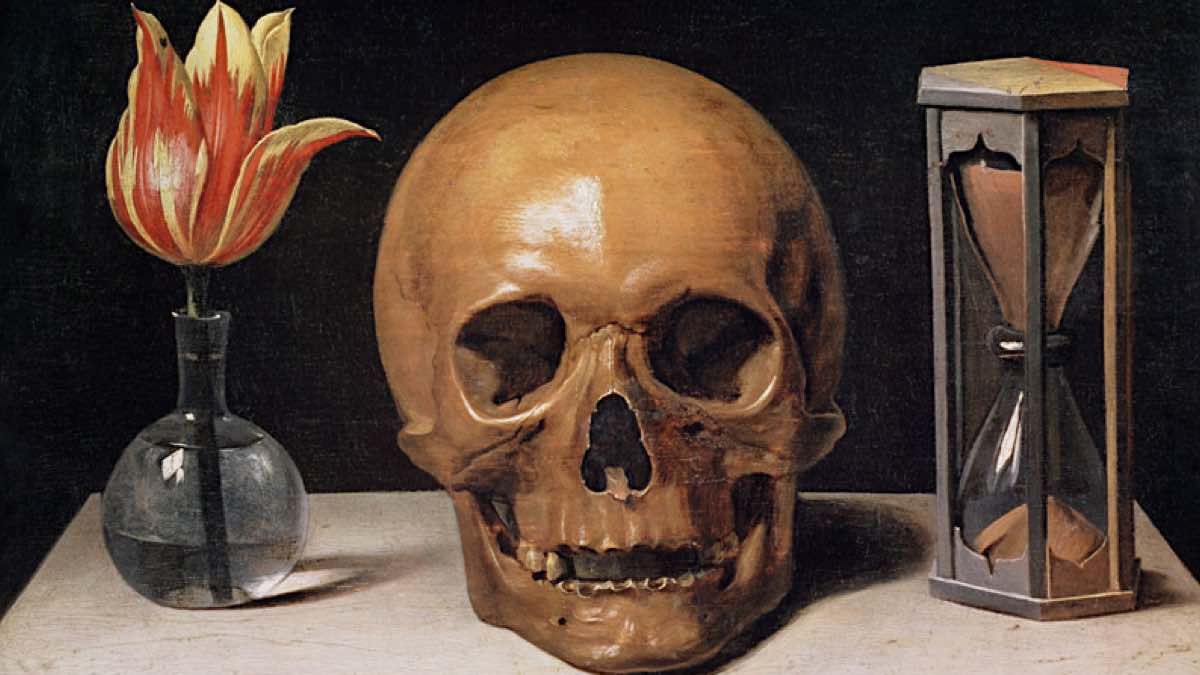
"Death Tokens" by Friedrich August Schulze, translated in The European Magazine, Volume 87, March 1825. You can read it today on my Patreon. ...
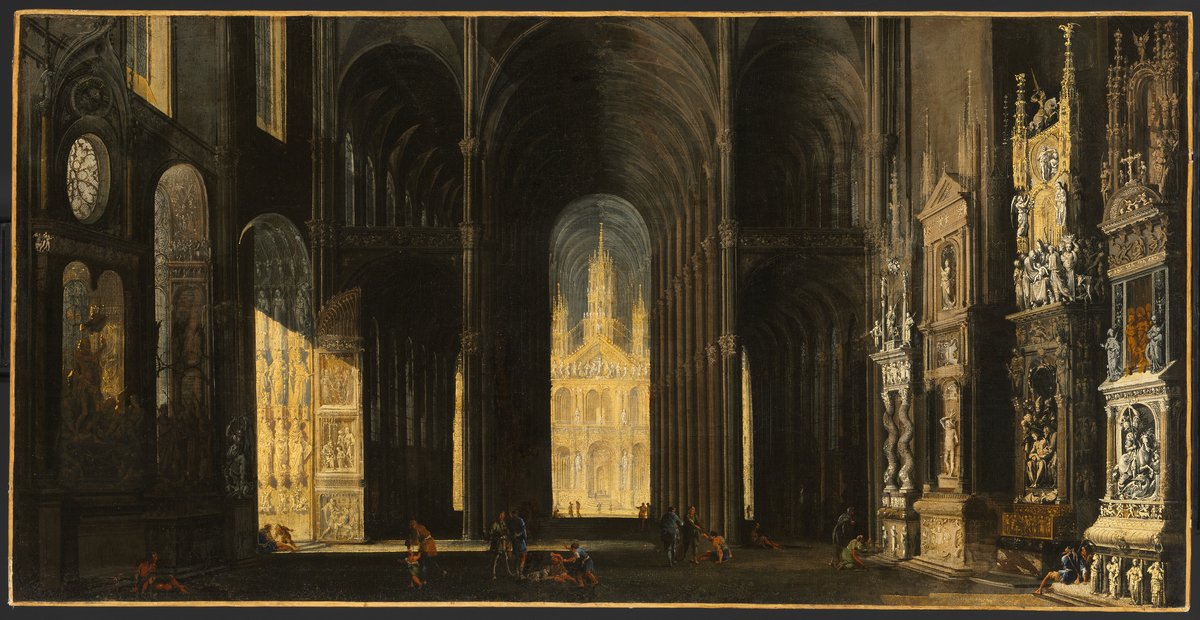
"The Black Chamber" by Johann August Apel, translated by Thomas De Quincey in Knight's Quarterly Magazine, Series 1, Volume 1 (1823). You can read it today on my Patreon....
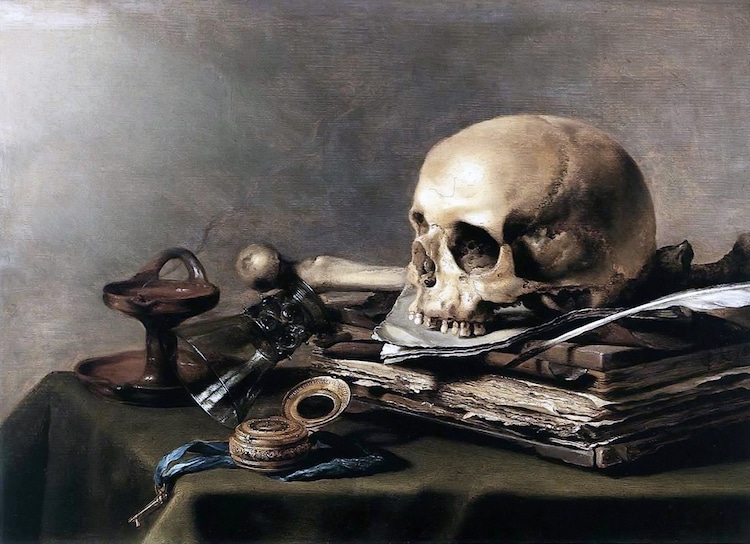
"The Death’s Head" by Friedrich August Schulze from Tales of the Dead (1813), translated by Sarah Elizabeth Utterson. You can read it today on my Patreon....

The Phantom Piper is a legendary figure from Tudor England, often associated with ghostly music and haunting various locations, particularly in the West Midlands of England. One of the most famous legends involves the Phantom Piper of the Wrekin, a hill in Shropshire. According to local folklore,...

The Ceffyl Dŵr is a creature from Welsh folklore, known as the "Water Horse", a ghostly horse-like being which haunts rivers, lakes, and misty moors, luring unsuspecting victims to their doom. It's often described as an ethereal, shape-shifting entity that can appear solid one moment...
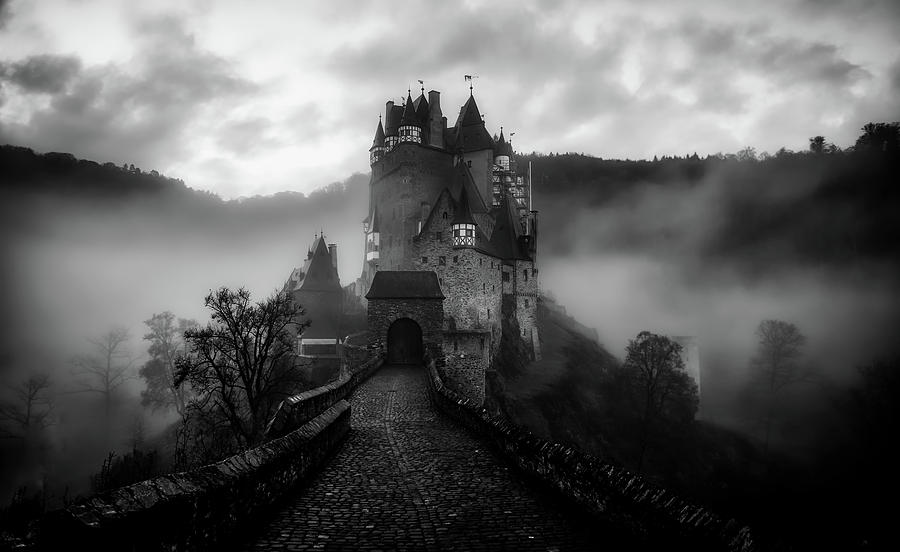
"The Spectre Bride" by Friedrich August Schulze comes from German Stories (1826), translated by Robert Pearse Gillies. You can read it today and tomorrow on my Patreon. ...
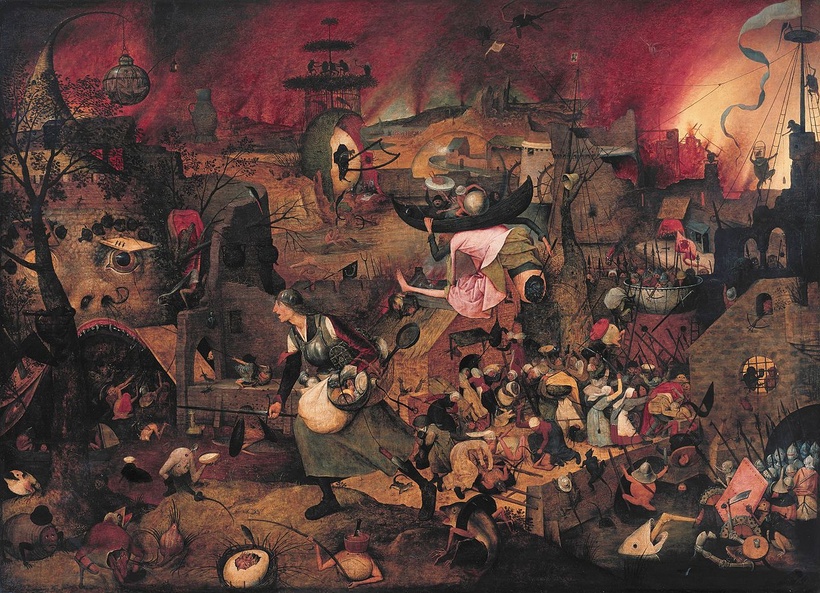
Dulle Griet, literally "Mad Meg," is a figure from Dutch folklore and art, often depicted as a terrifying figure leading an army of women into Hell. In the most famous depictions, she is shown as a woman dressed in ragged clothes or clad in armour; she...
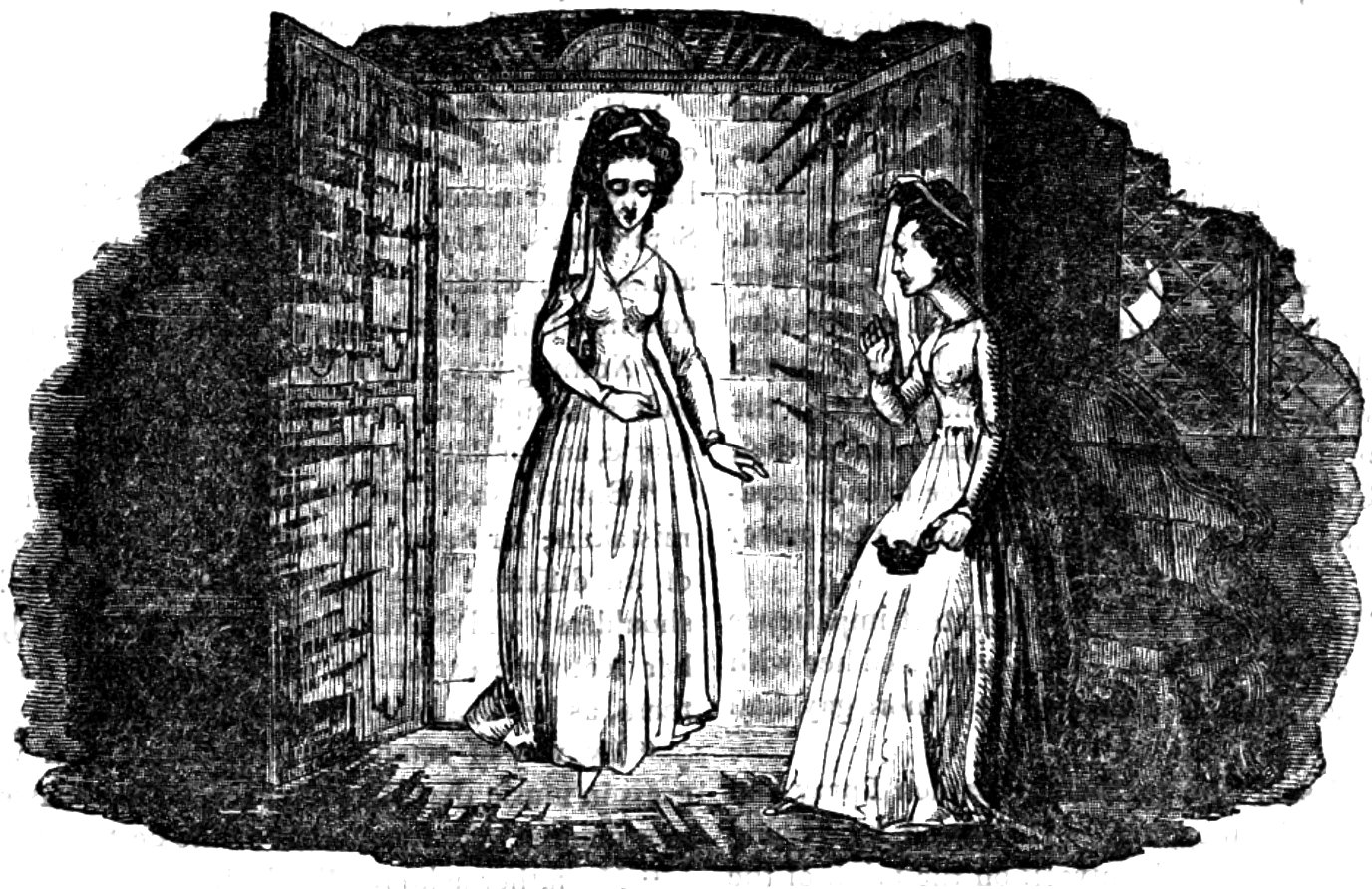
“Wan the maiden was, Of saintly paleness, and there seem’d to dwell In the strong beauties of her countenance Something that was not earthly.” Southey’s Joan of Arc. “The clock has toll’d; and, hark! the bell Of death beats slow.” -- Mason’s Elegies. The novel comes from Tales of the Dead (1813), translated by...