"All this he saw, for one moment breathless and intense, vivid on the morning sky; and still, as he looked, he lived; and still, as he lived, he wondered."

Byung-Chul Han’s “Saving Beauty”

Saving Beauty (La Salvezza del Bello in Italian) is a short philosophical book (original German title: Schönheit retten) by cultural theorist Byung‑Chul Han, and it focuses on a critique of contemporary, consumerist notions of beauty, delving of course with the impact of digital technologies on our notion and approach to beauty and meaning.

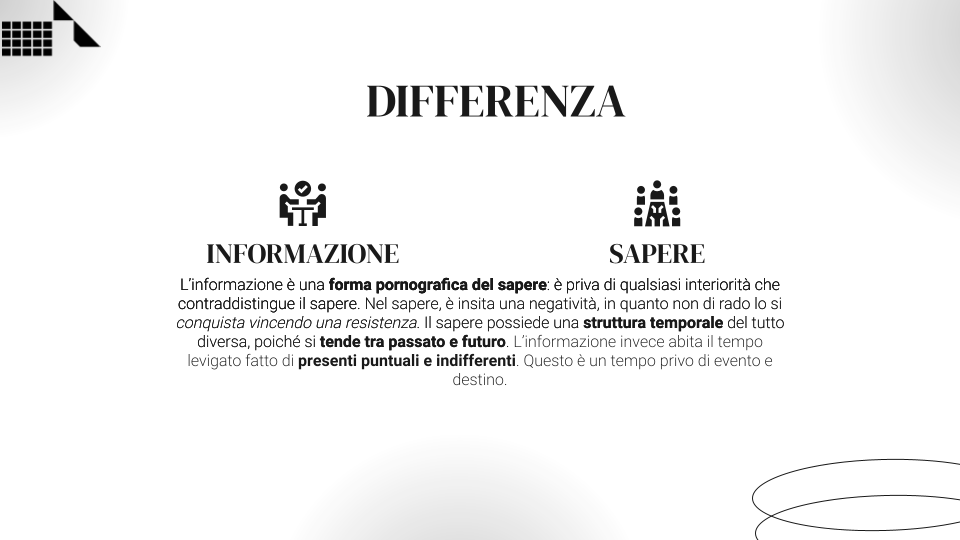
More organic and less choppy than other writings, it turned out to be an essay in aesthetics through the lenses of what’s considered smooth and rough, pornographic or erotic, digital and physical, and I read it for a lecture I had to give a bunch of architects. I must say they reacted well to the notion that information is pornography.

Han diagnoses a shift from a transcendent, unsettling experience of beauty to a smooth, consumable, body‑centred “pornography” of beauty tied to late‑capitalist aesthetics and social‑media likes, and he’s as sharp as ever in contrasting glossy, commodified forms (from pop art and smartphones to grooming trends) with classical, difficult, even dangerous forms of beauty that reveal truth, negativity, and ethical depth. It reconnects aesthetics with political and ethical concerns, arguing that reclaiming a less commodified beauty matters for how we live together under digital capitalism, and it ultimately ties up with education, marking a significant difference between knowledge (hard, time-consuming) and information (easier and more commodified by the minute). This ties neatly with another booklet by the same author, In The Swarm, and I talked about it here.

architecture, engineering and construction

You said the same about BIM

Last week I wrote a post about the anxiety many sectors are feeling in the face of AI, and about integrity as a tool to approach the technological shift we’re undergoing. It was a good post. I’m happy about that post. Some people reached out,

Read More »
books and literature

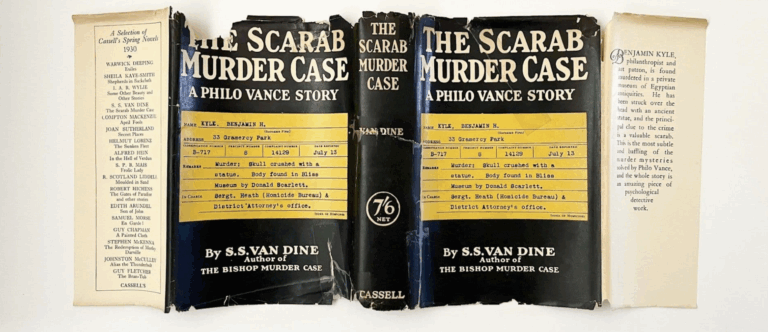
S.S. Van Dine’s The Scarab Murder

S.S. Van Dine was the pen name of Willard Huntington Wright (1888–1939), an art critic, editor, and novelist from the US who created Philo Vance, apparently one of the defining amateur detectives of the Golden Age of detective fiction. The Vance series ran to twelve

Read More »
books and literature

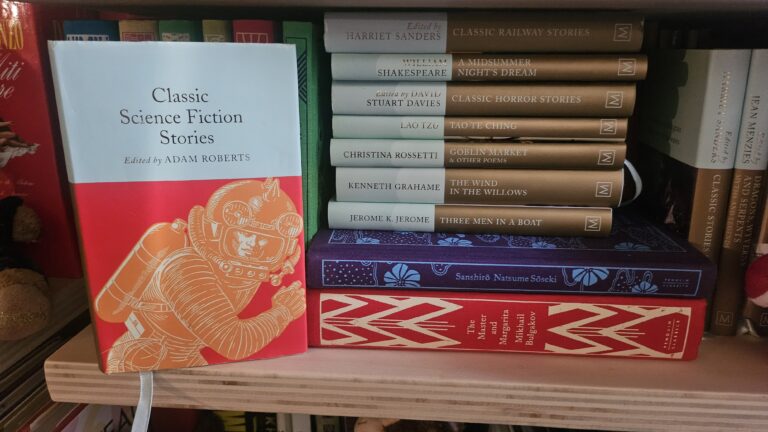
Classic Science Fiction Stories

This is the third collection I read from these charming little light-blue books with the golden pages, and they’re uneven at best. Once again, as such, I have mixed feelings about this collection and I’ll have to proceed scientifically to give a rating, so here

Read More »
Share on LinkedIn
Throw on Reddit
Roll on Tumblr
Mail it
No Comments

Post A Comment

This site uses Akismet to reduce spam. Learn how your comment data is processed.

RELATED POSTS

You said the same about BIM

Last week I wrote a post about the anxiety many sectors are feeling in the face of AI, and about integrity as a tool to approach the technological shift we’re undergoing. It was a good post. I’m happy about that post. Some people reached out,

Read More

S.S. Van Dine’s The Scarab Murder

S.S. Van Dine was the pen name of Willard Huntington Wright (1888–1939), an art critic, editor, and novelist from the US who created Philo Vance, apparently one of the defining amateur detectives of the Golden Age of detective fiction. The Vance series ran to twelve

Read More

Classic Science Fiction Stories

This is the third collection I read from these charming little light-blue books with the golden pages, and they’re uneven at best. Once again, as such, I have mixed feelings about this collection and I’ll have to proceed scientifically to give a rating, so here

Read More