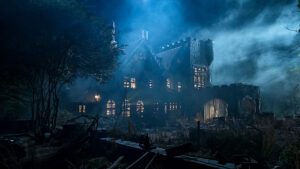
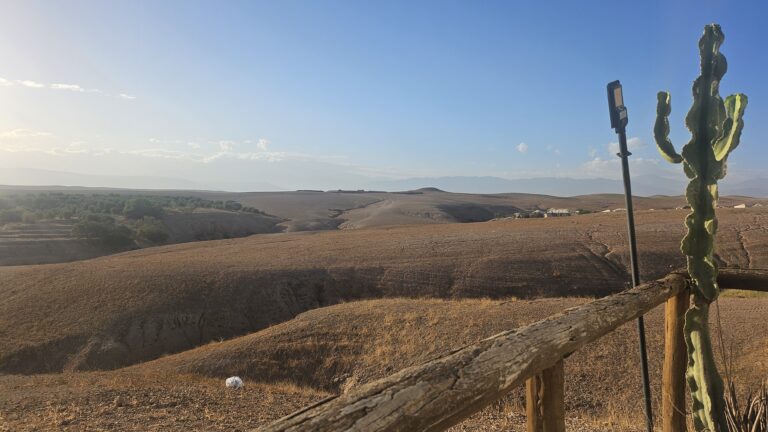
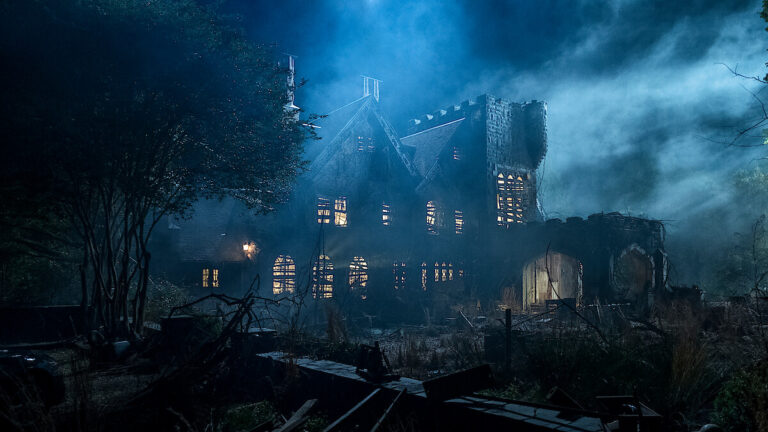
"All this he saw, for one moment breathless and intense, vivid on the morning sky; and still, as he looked, he lived; and still, as he lived, he wondered."

Ways for an Empire to Become a Ruin

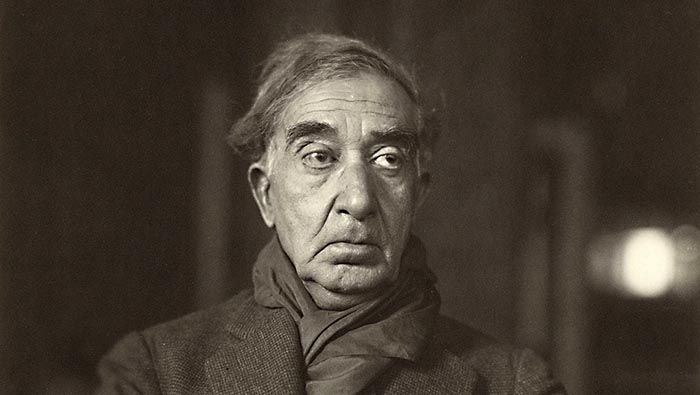
Born Konstantinos Petrou Kavafis in Alexandria in 1863, the poet known as C.P. Cavafy is regarded as the greatest modern Greek poet, though he spent much of his life in the cosmopolitan world of Alexandria. He wrote only about 200 poems, many of them published late or privately, and his work is known for its mix of historical settings, intimate tone, irony, and reflection on memory, desire, and mortality. Today I bring you one from his poems: “Waiting for the Barbarians,” half-hoping you did not see the movie.
Put next to Herbert’s besieged city, these two poems describe something considerably harder to draw a section through: a ruin that isn’t made of stone at all, or that arrives before any stone has actually fallen. Herbert’s city needed its physical ruins to survive as proof that it had once existed. Cavafy is interested in the opposite case: cities and lives whose buildings remain perfectly intact while the meaning that justified them quietly evaporates, leaving the stones standing over something that’s already, functionally, a ruin.

“Waiting for the Barbarians” spends its length on civic ceremony: the senate adjourned, the emperor dressed in his most formal robes and crown, the orators kept home because barbarians, apparently, find speeches boring and prefer a show. Every institution in the city has spent the day organising itself around a single anticipated event, and then, at nightfall, word comes that there are no barbarians, none at all, not on any road. The poem ends in a kind of vertigo: “Now what will become of us without barbarians? / Those people were some kind of solution.”

The city’s entire apparatus, its laws, its theatre, its sense of common purpose, turns out to have depended entirely on an external threat that could justify its own existence. I don’t know if that sounds familiar. Remove the threat and nothing has physically changed — the buildings, the robes, the crown are all still there — but the reason for any of it has gone, and the city has become a kind of ruin standing in perfectly maintained condition.
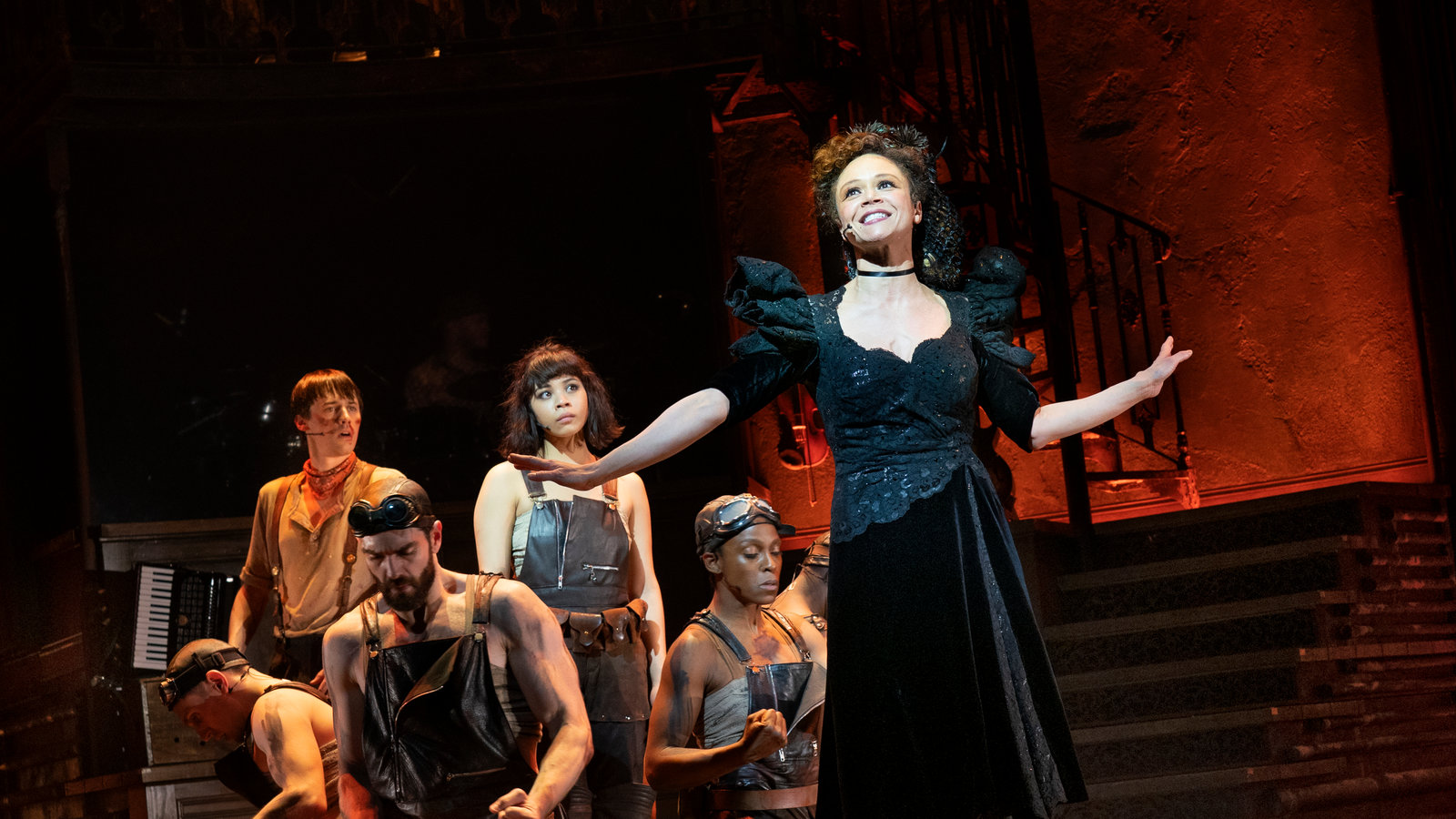
Incidentally, that’s the same concept behind the Underworld in the musical Hadestown: a wall has been built to keep famine outside, and it turns out that same famine wouldn’t exist without that fucking wall.

Urbanistically, that’s a sound reflection already.
Summertime

Ways for an Empire to Become a Ruin

Born Konstantinos Petrou Kavafis in Alexandria in 1863, the poet known as C.P. Cavafy is regarded as the greatest modern Greek poet, though he spent much of his life in the cosmopolitan world of Alexandria. He wrote only about 200 poems, many of them published

Read More »
Summertime

Report from the Besieged City

Zbigniew Herbert was a major 20th-century Polish poet, essayist, and dramatist, born in Lviv in 1924 and associated with a strong moral, anti-totalitarian voice in postwar Polish literature. Report from the Besieged City is one of his best-known poems, first published in English in the

Read More »
architecture, engineering and construction

The Anthropology of Turquoise

These last six days have been about materiality: one object, one specific made or found thing, and its exact physical fact being conflated with everything that’s accumulated on top of that fact through use, culture, or attention. A crate. A furrow. A toad in an

Read More »
Share on LinkedIn
Throw on Reddit
Roll on Tumblr
Mail it
No Comments

Post A Comment

This site uses Akismet to reduce spam. Learn how your comment data is processed.

RELATED POSTS

Report from the Besieged City

Zbigniew Herbert was a major 20th-century Polish poet, essayist, and dramatist, born in Lviv in 1924 and associated with a strong moral, anti-totalitarian voice in postwar Polish literature. Report from the Besieged City is one of his best-known poems, first published in English in the

Read More

The Anthropology of Turquoise

These last six days have been about materiality: one object, one specific made or found thing, and its exact physical fact being conflated with everything that’s accumulated on top of that fact through use, culture, or attention. A crate. A furrow. A toad in an

Read More

Hills Like White Elephants

I don’t think Ernest Hemingway needs any introduction, but his Death in the Afternoon maybe does: it’s a 1932 non-fiction book about Spanish bullfighting, and it’s part cultural study, part travel writing, and part reflection on courage, fear, death, and art. It’s not for the

Read More