
Ogni lunedì un libro per iniziare la settimana.
Ho recentemente parlato di questo libro all’appuntamento di BIM Arena, organizzato dalla Fondazione Architetti di Firenze, dedicato alla sostenibilità ambientale. Mi avete chiesto qualcosa di più e quindi eccolo qui.
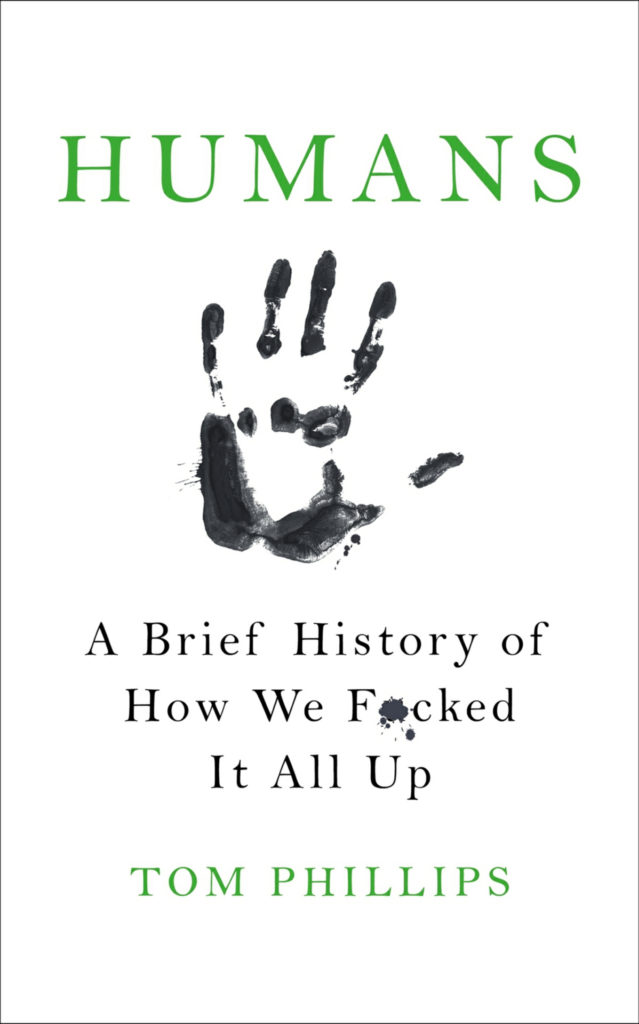
Il titolo del libro, che non potrebbe essere più schietto di così, riassume egregiamente sia l’argomento che il tono: uno dei più esilaranti libri di storia che io abbia letto, tranquillamente paragonabile – con le dovute proporzioni ideologiche e di epoca – alla storia raccontata da Montanelli.
Il libro adotta un approccio tematico e sviscera i dieci principali modi in cui l’umanità ha storicamente trovato il modo di scazzare:
- Why Your Brain Is an Idiot
- Nice Environment You’ve Got Here
- Life, Uh, Finds a Way
- Follow the Leader
- People Power
- War. Huh. What Is It Good For?
- Super Happy Fun Colonialism Party
- A Dummies’ and/ or Current Presidents’ Guide to Diplomacy
- The Shite Heat of Technology
- A Brief History of Not Seeing Things Coming.
Aprono e chiudono il libro una digressione paleontologica (The Dawn of Fuck-Ups) e un epilogo (Fucking Up the Future).
Nel primo incontriamo Lucy, l’australopiteco, il più antico ritrovamento definibile un essere umano.
…the only reason we know about her is because, bluntly, she fucked up. Which in retrospect set a pretty clear template for how things were going to play out from that point onwards.
Lucy è famosa per essere scivolata da un albero ed essere morta.
This is a book about humans, and our remarkable capacity for fucking things up. About why for every accomplishment that makes you proud to be human (art, science, pubs) there’s always something else that makes you shake your head in bafflement and despair (war, pollution, pubs in airports).
Particolarmente interessante per un progettista è il capitolo 2 (Nice Environment You’ve Got Here), sulla nostra apparente incapacità di lasciare le cose come stanno e sugli innumerevoli tentativi di alterare l’ecosistema per “migliorarlo”. Nella mia carriera ho lavorato ad un numero francamente ridicolo di isole artificiali: questo capitolo ci insegna che un numero ridicolo potrebbe già essere considerata “una”. In particolare ci parla dell’Isola di Pasqua e di come la reazione principale di una civiltà ai segnali di distruzione del proprio ecosistema potrebbe tranquillamente essere sempre stata quella di risolversi a costruire di più.


No Comments