
Ted Chiang’s The Lifecycle of Software Objects is one of the most criminally underrated pieces in contemporary speculative fiction. While Chiang is best known for meticulously crafted stories like The Merchant and the Alchemist’s Gate and Story of Your Life, adapted into the mediocre movie The Arrival, this short novel stands out for how directly it engages with the messy, incremental nature of real technological development, and how thoughtfully it explores artificial intelligence, focusing on the gradual, realistic development and emotional complexity of AI entities over many years.
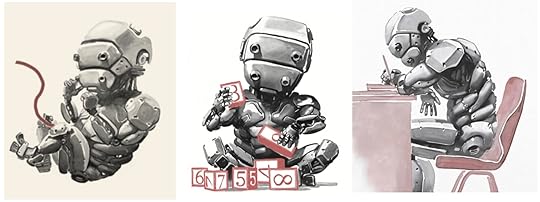
What makes the book so resonant, and the reason I felt like revisiting it yesterday. is how deeply it reflects Chiang’s technical background in approaching artificial intelligence not as a magical abstraction but as a long-term engineering problem that involves tedious iteration, care work, emotional labour, and the unpredictability of emergent systems, as the digients at the centre of the story are not instant superintelligences; they’re closer to infants or companion animals, shaped by reinforcement and attention. Chiang’s understanding of software development shows in every detail: the obsolescence of platforms, the fragility of digital ecosystems, the dependency on corporate policies, and the way economic pressures distort the intentions of designers.
This grounding makes the novel feel more plausible — and more unsettling — than most AI-centred fiction. Like many of his works, it uses a single, well-defined speculative element to explore ethical and philosophical questions: if digital beings require years of training, love, and nurturing, what moral responsibilities do their creators carry? And what happens when a world built on rapid technical churn refuses to value longevity or relationships?
Where other Chiang stories often hinge on elegant conceptual twists, “The Lifecycle of Software Objects” is less about revelation and more about committing to the concept in general. It shares the emotional clarity of “Story of Your Life”, but its narrative tempo is slower, more patient, mirroring the developmental arc of the digients themselves, and the result is one of Chiang’s most compassionate works: a meditation on personhood, loyalty, and the uncomfortable truth that intelligence, whether biological or artificial, cannot be shortcut.
It deserves far more attention than it receives, especially now, as discussions about AI ethics struggle to catch up with the very questions Chiang posed so carefully over a decade ago.



No Comments