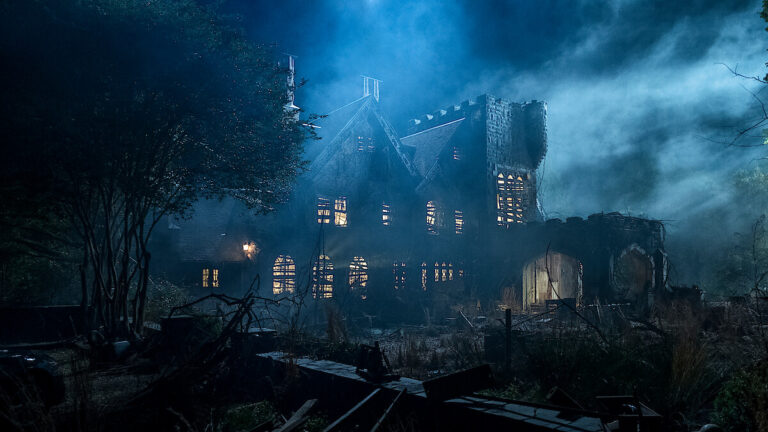
"All this he saw, for one moment breathless and intense, vivid on the morning sky; and still, as he looked, he lived; and still, as he lived, he wondered."

The Legend of Ochi

I have mixed feelings when it comes to movies with puppets. Not that I don’t like puppets, on the contrary, some of my favourite movies of all time are Muppet movies, but very few people can tackle the mixture of craft and poetics you need to make my kind of movie. Too little and it’s a travesty. Too much, it gets pretentious.

So what about the super-indie Legend of Ochi, by debutant Isaiah Saxon featuring Emily Watson and Willem Dafoe?
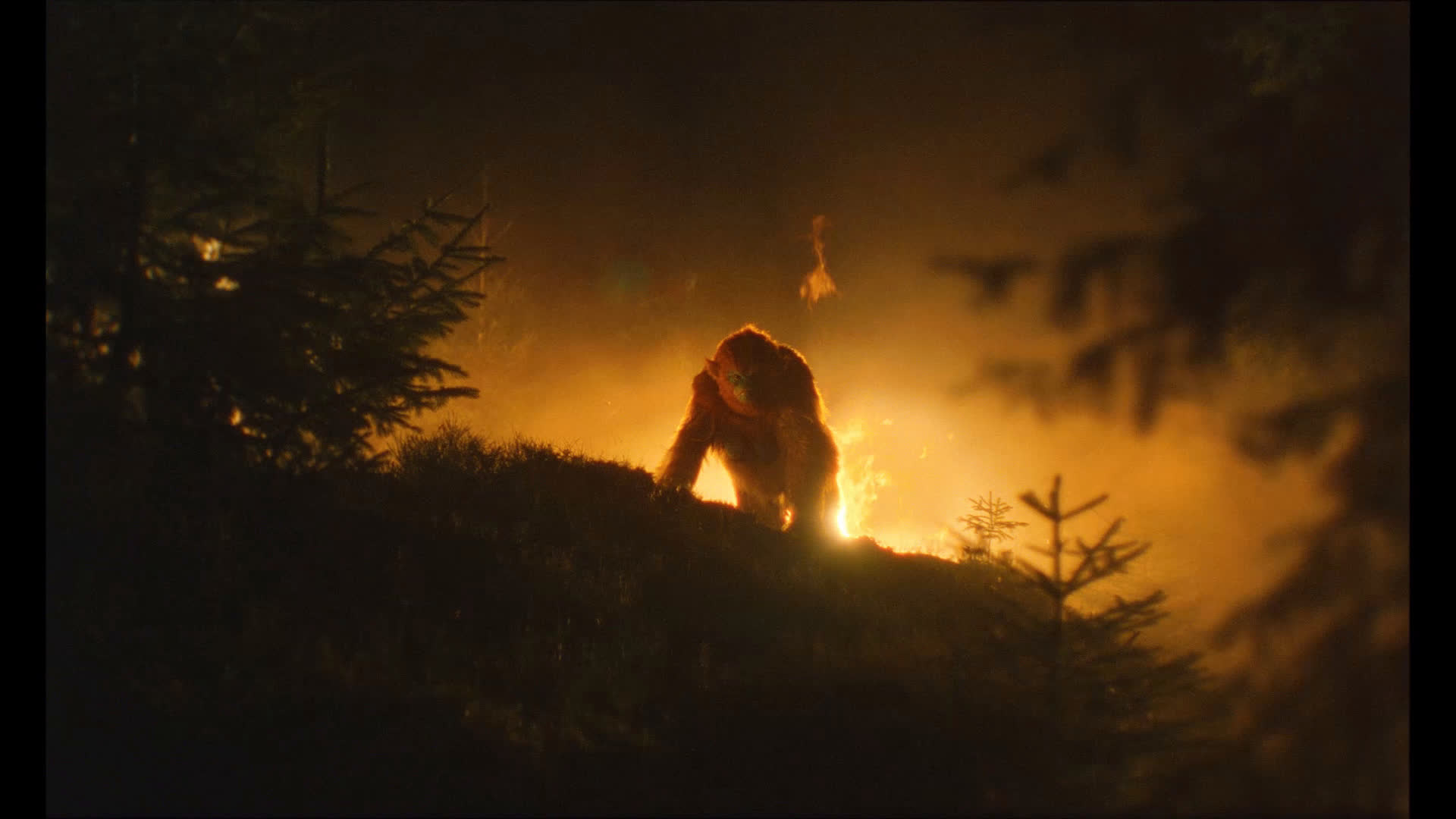
The best way I can describe it is an independent documentary on the gorillas of Transylvania. “But there are no gorillas in Transylvania,” one might say. Well, there are now.

The main idea of the movie takes place on a remote island on the Black Sea, where villagers have been at war with a primate species whose sole bite can kill a man. The villagers hunt these creatures, the Ochi, and this has been taking its toll on society: the beasts are said to kill cattle, people are ruined with the destruction of whole flocks of sheep, and a lunatic farmer — Willem Dafoe — takes it upon himself to collect orphans and estranged children, organise them in a militia, and lead night-time hunts.
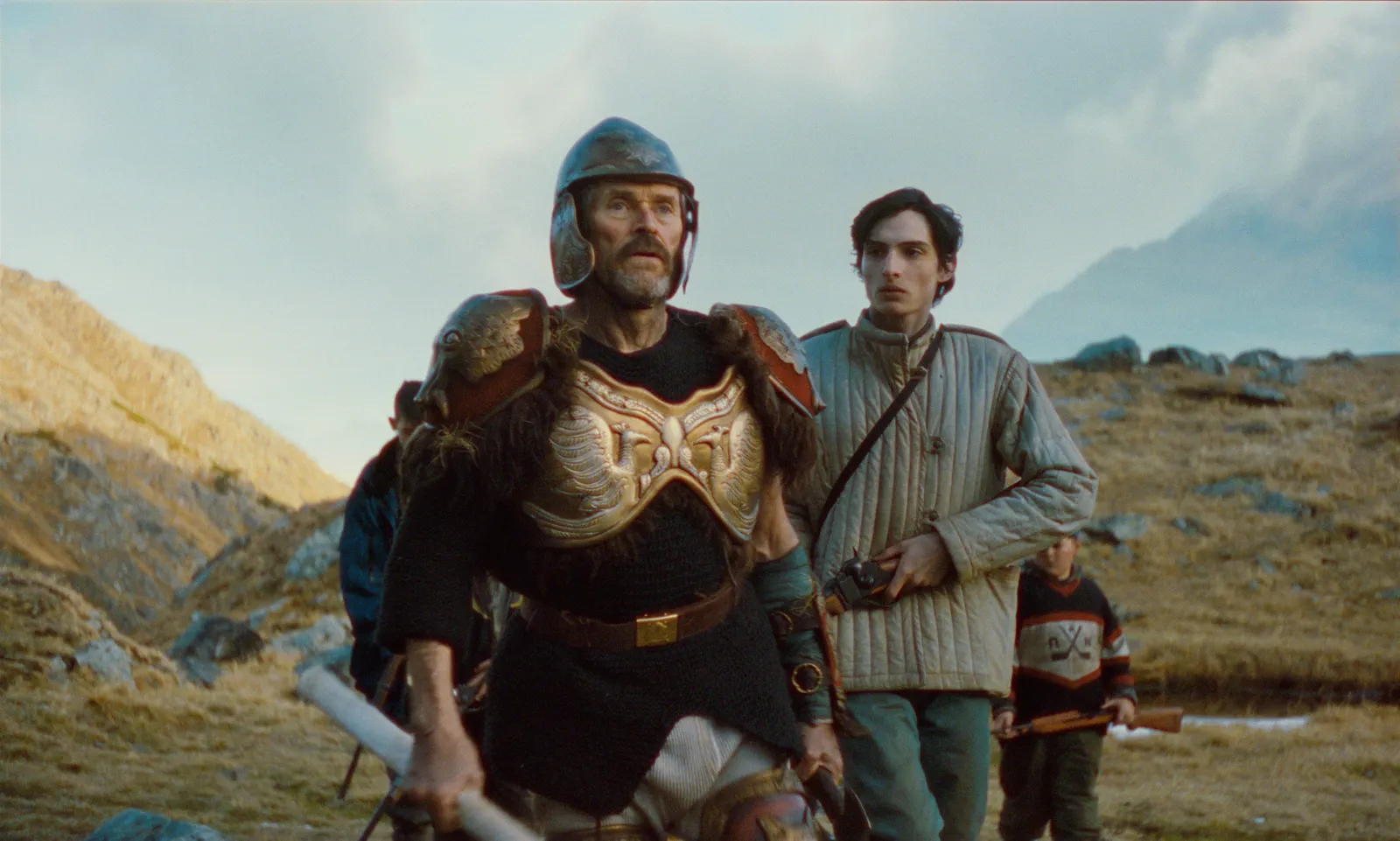
And when I say lunatic…

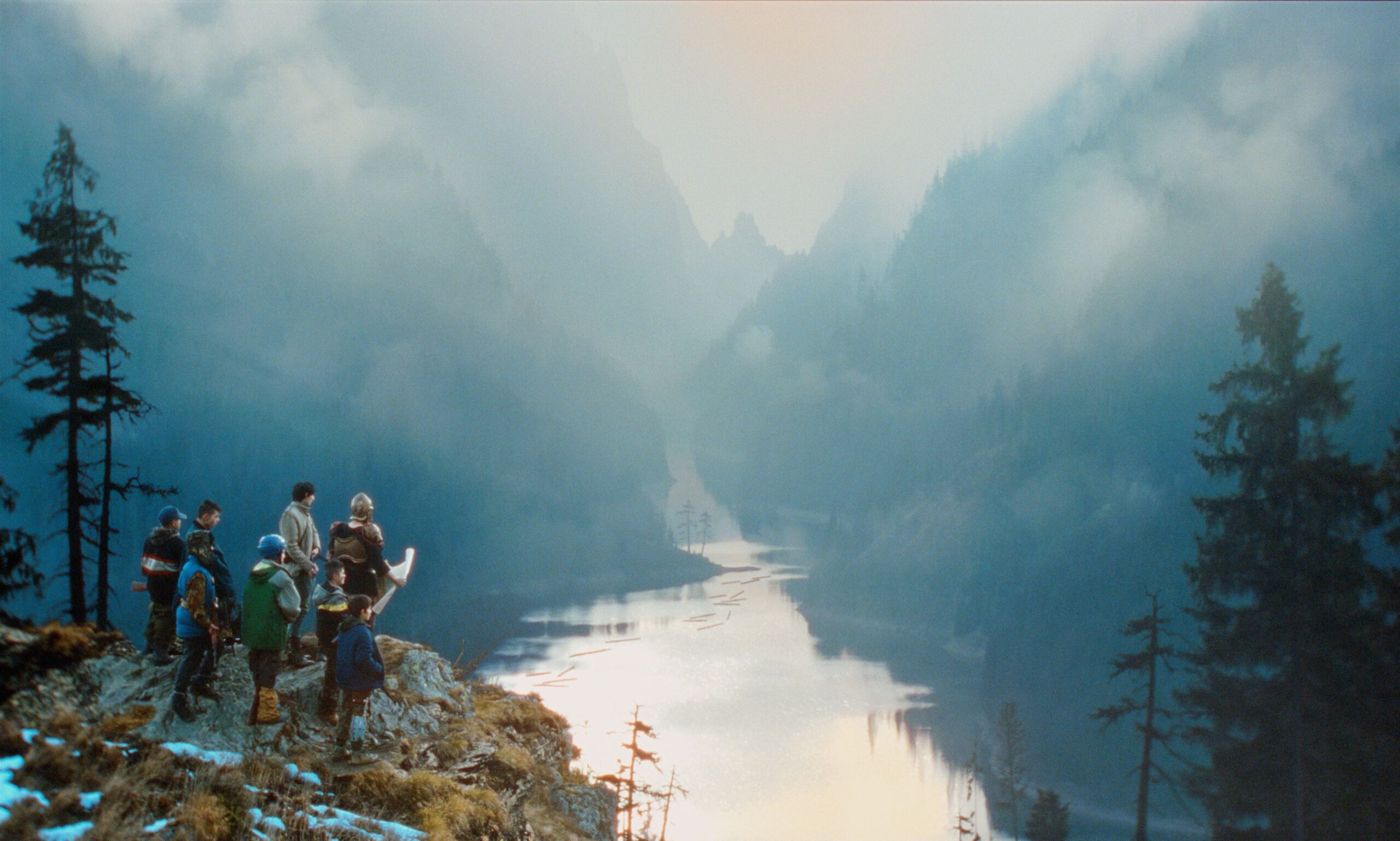
It all takes a turn when his estranged daughter finds a wounded child of these creatures, the Ochi, has the intuition they’re actually empathic and highly intelligent, and decides to bring him home to his mother (while maybe looking for hers).

The movie is made of long panoramic shots, loads of hiking and delicate interactions. It’s nothing revolutionary and the plot is fairly simple, but it’s honest in what to expect, and delivers.

Spooktober

Spooktober 27 – The Black Monk (2)

Chapter 3 After supper, when the visitors had gone, he went to his room and lay down on the sofa: he wanted to think about the monk. But a minute later Tanya came in. “Here, Andryusha; read father’s articles,” she said, giving him a bundle

Read More »
Spooktober

Spooktober 26 – The Black Monk (1)

Anton Chekhov (1860–1904) was a Russian physician, short-story writer and playwright, and I’m not particularly fond of him, though he’s widely regarded as one of the greatest masters of modern short fiction and who am I to argue? His work is celebrated for its psychological

Read More »
art and fashion

Beauty and Ugliness: an exhibition

A few pictures from the recently closed exhibition on Beauty and Ugliness as an aesthetic paradigma in which what’s ideal and what’s grotesque melt together as sides of the same coin. The exhibition featured works by Brueghel (lent from the other exhibition at Palazzo Reale),

Read More »
Share on LinkedIn
Throw on Reddit
Roll on Tumblr
Mail it
No Comments

Post A Comment

This site uses Akismet to reduce spam. Learn how your comment data is processed.

RELATED POSTS

Spooktober 27 – The Black Monk (2)

Chapter 3 After supper, when the visitors had gone, he went to his room and lay down on the sofa: he wanted to think about the monk. But a minute later Tanya came in. “Here, Andryusha; read father’s articles,” she said, giving him a bundle

Read More

Spooktober 26 – The Black Monk (1)

Anton Chekhov (1860–1904) was a Russian physician, short-story writer and playwright, and I’m not particularly fond of him, though he’s widely regarded as one of the greatest masters of modern short fiction and who am I to argue? His work is celebrated for its psychological

Read More

Beauty and Ugliness: an exhibition

A few pictures from the recently closed exhibition on Beauty and Ugliness as an aesthetic paradigma in which what’s ideal and what’s grotesque melt together as sides of the same coin. The exhibition featured works by Brueghel (lent from the other exhibition at Palazzo Reale),

Read More