
I discovered The Apothecary Diaries through the anime on Netflix: I generally don’t like them but we’re not getting good animation, I was desperate, and what caught my eye were the beautiful backgrounds in some of the promos. Then I switched to the manga. I came for the art, but then I realised I’m falling in love with a history drama that celebrates deduction, the scientific approach, and intelligence. The main character — an observant, dry, unapologetically curious young woman — navigates the intricacies of an imperial court of early medieval China armed with nothing but her knowledge of medicine and her passion for poison. And it is riveting.
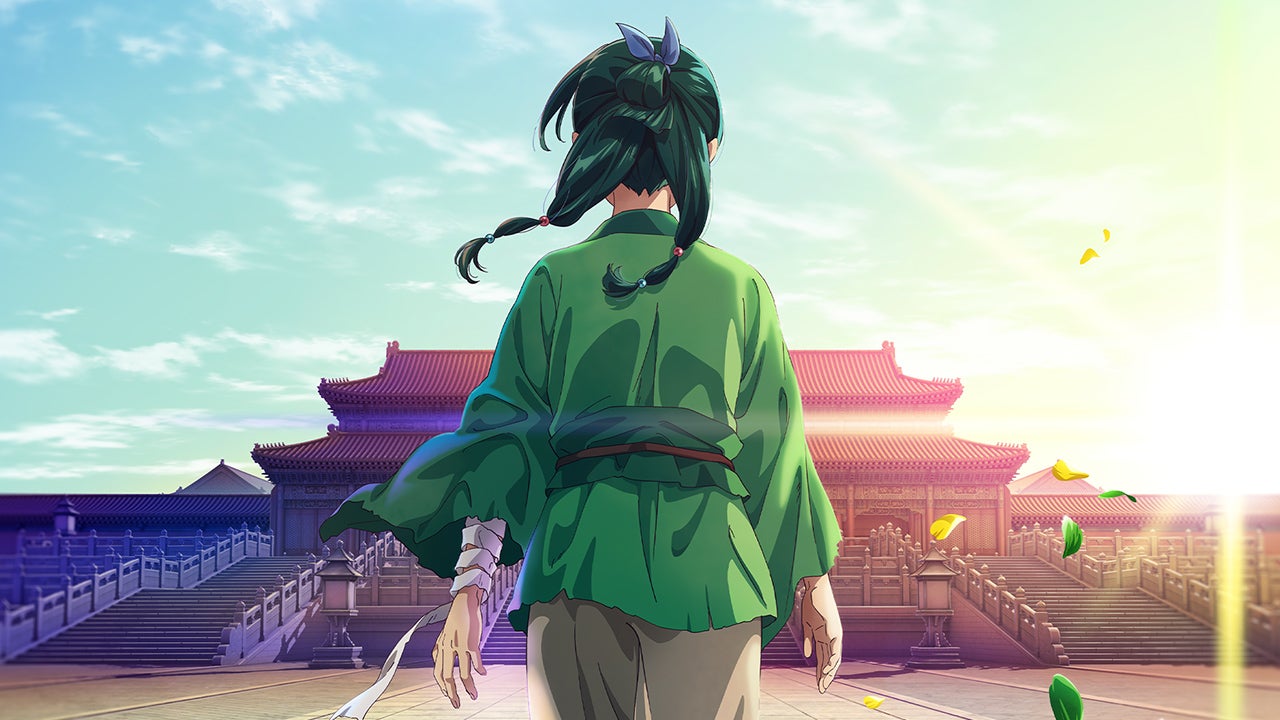
The Anime
The anime adaptation is, simply put, gorgeous. The colour palette alone deserves praise: rich vermilions, deep greens and intricate textiles render the court opulent as it should, like the gilded cage it is. Every frame seems composed with care. The lighting in particular stands out: candlelit interiors, filtered daylight through silk curtains, moonlit corridors that feel intimate and ominous. The character design, particularly the female concubines, is as gorgeous as what has been a golden age of manga for me, with gems such as RGveda.
But beauty would mean little without rhythm and this is a detective story.
What impressed me most about the anime is its pacing: the mysteries unfold quietly, clues are placed gently, Maomao’s deductions feel like the natural consequence of paying attention. Watching her think is part of the pleasure. And sometimes, just when you think everything has been figured out, an additional mystery unravels on top of the seemingly unconnected previous ones.
The relationship between the two main characters might be what excites the younger audience. I’m not into that particularly, but its silliness is tolerable in the front of such beauty.
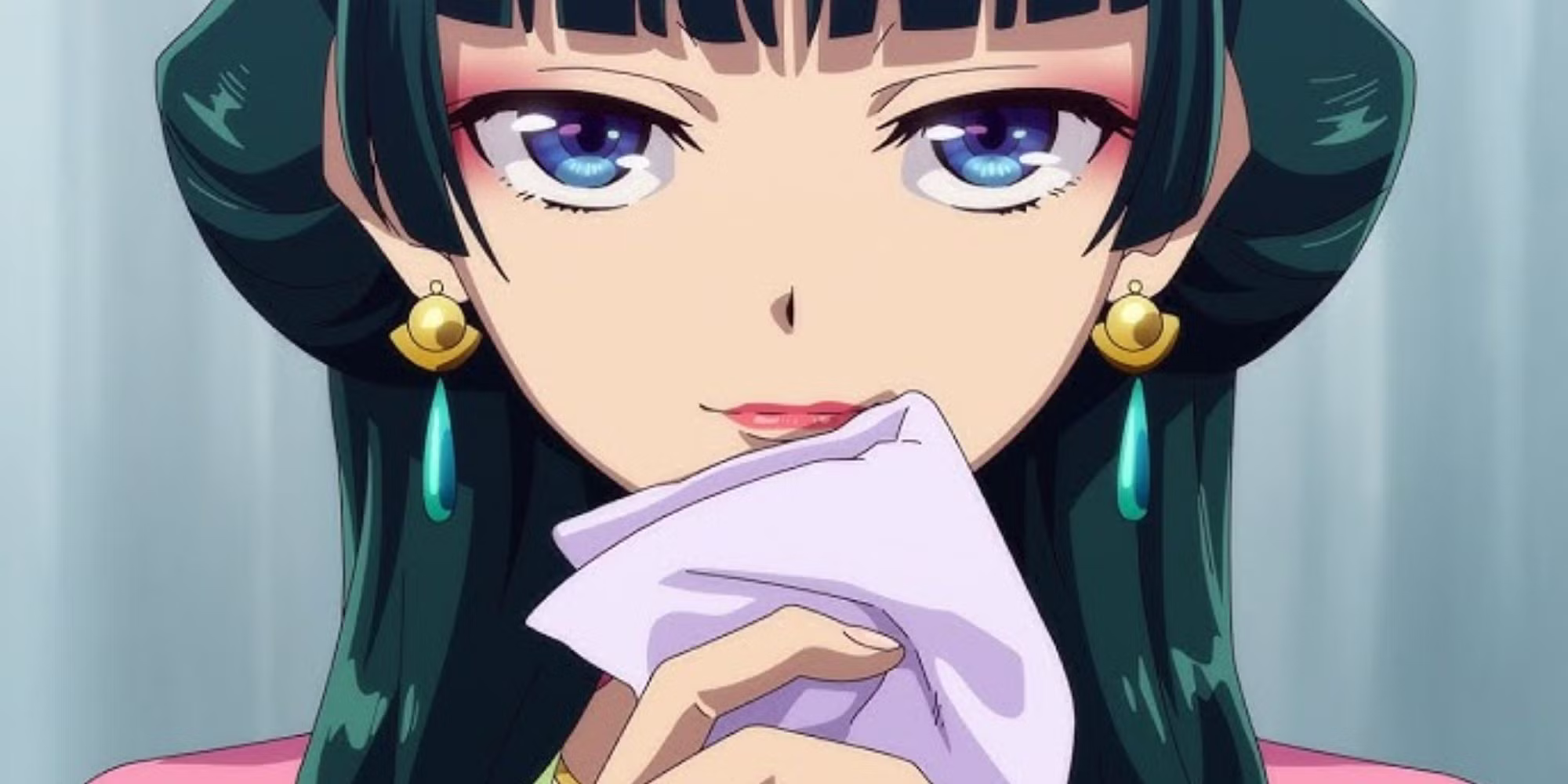
The Manga
After finishing the first season of the anime, since I’m not going to pay Amazon Prime episode by episode to get the grace of a season 2, I turned to the manga and found an equally compelling experience.
The art in the manga is stunning in a more intricate, tactile way: details and expression replace colour but the atmosphere, the fabric textures, the architectural lines stay the same. The careful rendering of medicinal tools and herbs is a perk.
The story and its pacing carry an almost 1:1 relationship, so far, but I’m just into the first few volumes.
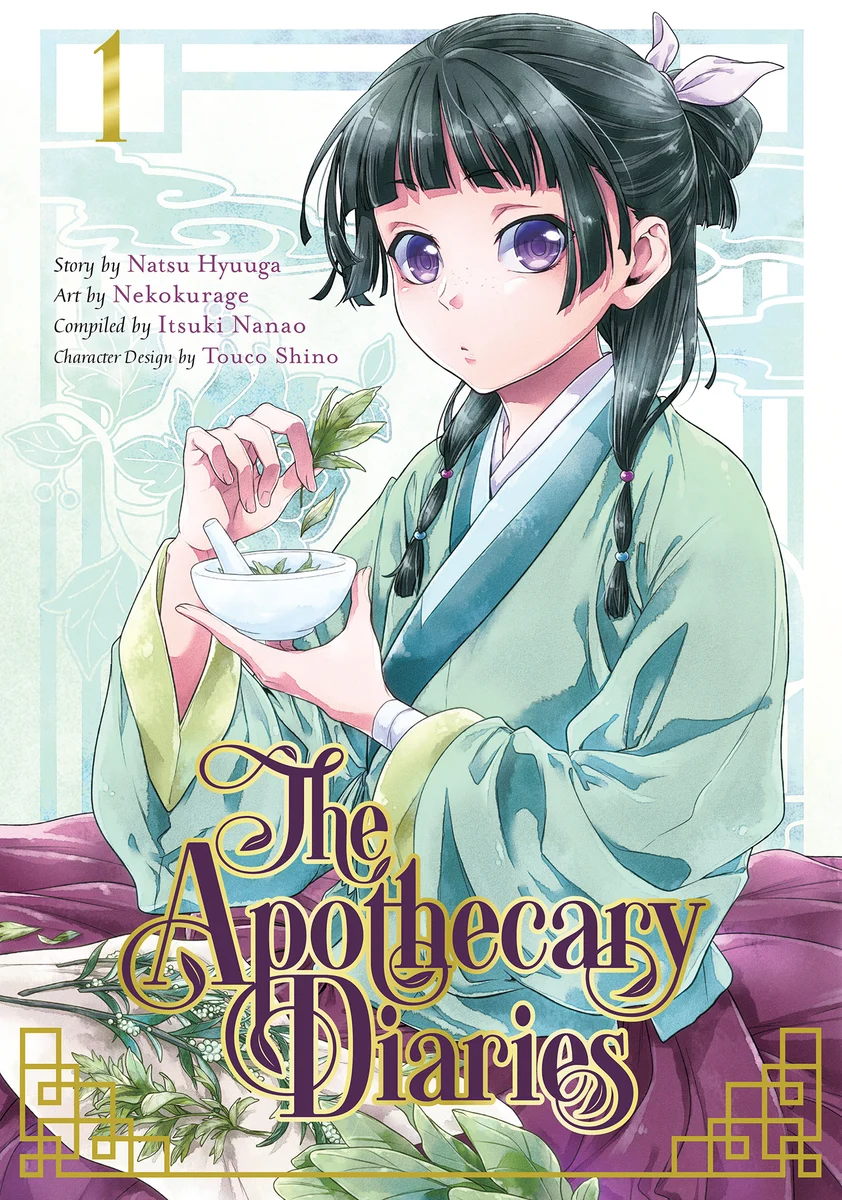
Author: Hyūganatsu, who published the light novels under pseudonym, and Itsuki Nanao (The Promised Neverland)
Illustrator: Nekokurage



1 Comment
shelidon
Posted at 14:41h, 21 FebruaryI’ve been posting my reviews of the manga on Goodreads, but it might be worthwhile to save them here as well, as I don’t trust third-party platforms not to go up in flames and die, and I’ve been burnt before.
Volume 1. Reading this manga is practically a rewatch of the anime, which isn’t a bad thing. I like the mysteries, and the art is gorgeous. I’m afraid I have a problem, now, since considering how many volumes are there in the series.
Volume 2. The details in clothing, textile and accessories are only matched by those in food and herbs. And, of course, poisonous ones. Exquisite.
Volume 3. I like stand-alone mysteries, and one of the double poisonings was well-crafted, with nuanced characters and no romanticisation of any kind. The pleasure district and the mirrored situations with the inner court, well-highlighted by the main character’s remarks, is one of the things that work best in the series, and a very clever criticism that refrains from judgment.
Volume 4. Not one of my favourite numbers, but then again, I’m not overly fond of all the swooning and the slow-burning romance. I like the portrayal of women’s cruelness towards a younger woman, though, and Maomao’s behaviour here subtly expresses her general attitude of not wanting to cause trouble but also not being willing to overlook injustice.
Volume 5. An in-between number, for me: it might be nice to see Maomao extending her influence and range of action outside the inner court, and I know this is going to pay off.
Volume 6. This is possibly one of the best volumes in the first story arcs, with everything coming together in an unexpected and riveting way.
Volume 7. Maomao’s quiet intelligence really shines, in this number, between the explanation of how she got to twarth the murder attempt, the way she wins the blue roses challenge and, finally, the scheme of the “poisoned” game of go. For the first time, though, I felt the blue roses story arc was better constructed in the anime. It’s nice to see some differences, here and there.
And this is all for now.