"All this he saw, for one moment breathless and intense, vivid on the morning sky; and still, as he looked, he lived; and still, as he lived, he wondered."

Ted Chiang – The Lifecycle of Software Objects

L’estate volge quasi al termine e prima che l’autunno vi reclami, sottraendovi ai vostri ombrelloni, voglio consigliarvi un altro titolo di narrativa.

Ted Chiang è uno scrittore statunitense di origini cinesi (i genitori sono emigrati dalla Cina a Taiwan, prima di spostarsi definitivamente a Long Island, New York), non particolarmente prolifico fino ad ora ma molto noto e amato tra gli estimatori di fantascienza. Per il grande pubblico, è l’autore del racconto breve “Story of Your Life”, alla base del film Arrival con Jeremy Renner.

Il racconto che vi propongo è stato originariamente pubblicato dalla Subterranean Press nel 2010, non è disponibile in Italiano e risulta difficile da reperire anche in inglese, se non nella successiva raccolta Exhalation: Stories, pubblicata nel 2019 e che contiene, tra le altre storie, anche il pluripremiato The Merchant and the Alchemist’s Gate.

Nella sua versione originale, il racconto è corredato dalle illustrazioni di Christian Pearce (senior concept artist presso il neozelandese Weta Workshop) e dalle mappe dell’eclettico curatore d’arte Jacob McMurray.

Il racconto segue la vicenda di Ana Alvarado, precedentemente impiegata come addestratrice allo zoo, che nell’arco di vent’anni si occupa di crescere un’intelligenza artificiale con lo scopo di farla diventare l’animale da compagnia perfetto per l’essere umano.

Il libro presenta alcuni temi della fantascienza ritrovabili anche in Ready Player One, un altro dei testi che mi piace consigliare ai progettisti in cerca di consapevolezza digitale: l’azione delle grandi aziende di sviluppo e la loro influenza nella vita di tutti i giorni. Se preferite un approccio non narrativo, potete leggere Homo Deus di Noel Yuvah Harari.

Ogni lunedì un libro per iniziare la settimana: siamo giunti al nostro 35° appuntamento.

books and literature

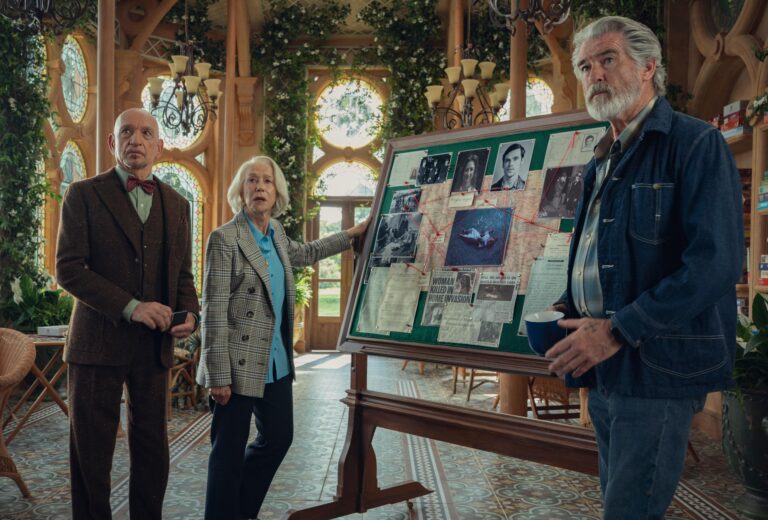
The Thursday Murder Club

I wanted to read this series after seeing the delightful movie on Netflix, which would have been worth it if only for the stellar cast. After I started, I couldn’t possibly stop. I think I read the whole thing in a month. Here’s what I

Read More »
architecture, engineering and construction

Summertime (though the living ain’t easy)

There is a particular kind of August laziness that likes to dress itself up as a fashionable pose: you can’t undertake significant projects in August, you’re not supposed to, apparently, you aren’t even supposed to read anything that’s too complicated (though I wonder, if you

Read More »
architecture, engineering and construction

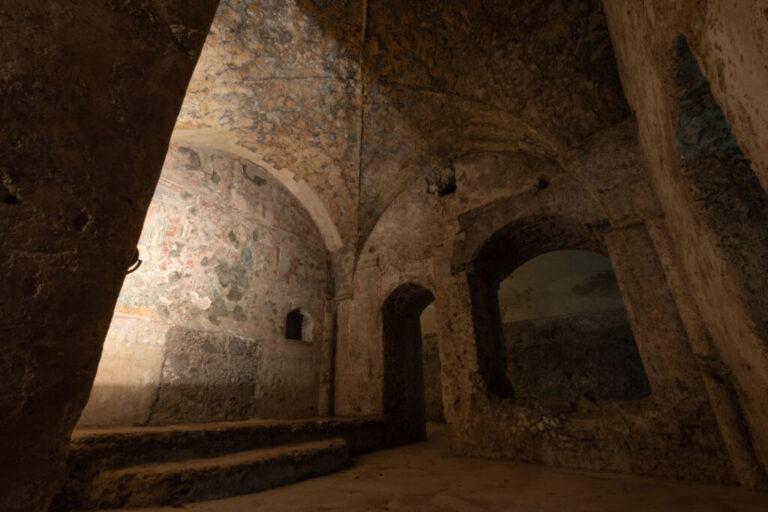
hBIM Summer School: e voi cosa fate a fine estate?

Succede sempre, nelle prime ore di un workshop di modellazione informativa: uno studente che conosce bene Revit — famiglie, fasi, worksharing, tutto l’armamentario — si trova davanti al muro di unn edificio storico, storto in sezione, trapezoidale in pianta, e per un attimo non sa

Read More »
Share on LinkedIn
Throw on Reddit
Roll on Tumblr
Mail it
No Comments

Post A Comment

This site uses Akismet to reduce spam. Learn how your comment data is processed.

RELATED POSTS

The Thursday Murder Club

I wanted to read this series after seeing the delightful movie on Netflix, which would have been worth it if only for the stellar cast. After I started, I couldn’t possibly stop. I think I read the whole thing in a month. Here’s what I

Read More

Summertime (though the living ain’t easy)

There is a particular kind of August laziness that likes to dress itself up as a fashionable pose: you can’t undertake significant projects in August, you’re not supposed to, apparently, you aren’t even supposed to read anything that’s too complicated (though I wonder, if you

Read More

hBIM Summer School: e voi cosa fate a fine estate?

Succede sempre, nelle prime ore di un workshop di modellazione informativa: uno studente che conosce bene Revit — famiglie, fasi, worksharing, tutto l’armamentario — si trova davanti al muro di unn edificio storico, storto in sezione, trapezoidale in pianta, e per un attimo non sa

Read More