
The Queer Alchemy of Benvenuto Cellini: Desire, Scandal, and Self-Fashioning in Renaissance Florence
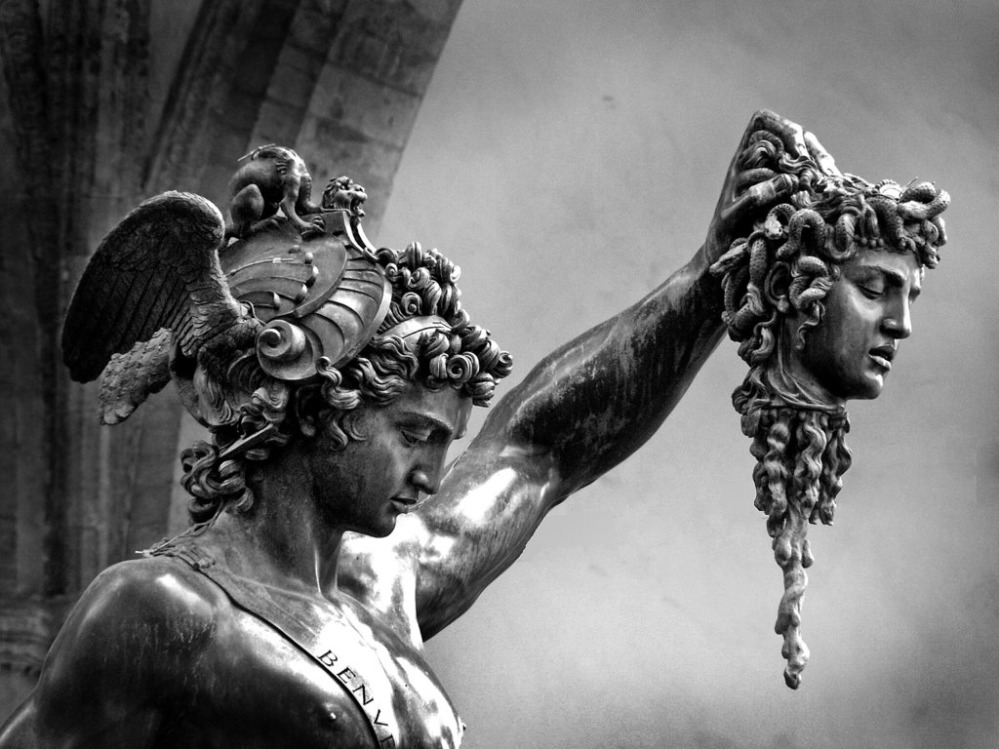
Benvenuto Cellini — sculptor, goldsmith, author, swordsman, and scandal — lived at the heart of Renaissance Florence with the fire of a man determined to be seen, remembered, and unruly. Best known for works like the Perseus with the Head of Medusa in Florence’s Piazza della Signoria, Cellini left behind something even more provocative than bronze: a flamboyant, defensive, and vividly queer autobiography, perhaps unmatched in Renaissance literature.
In his Vita, written in prison and laced with bragging, brawls, and boldness, Cellini details sexual encounters, artistic triumphs, and accusations of sodomy, a word he resented for its social sting as he was repeatedly charged with it. The records are clear: Cellini was arrested several times for relationships with young male apprentices and models. He denied nothing, except the idea that he should be ashamed.
For Cellini, desire was part of his genius. His male lovers appear in the text as objects of affection, jealousy, and eroticism. But unlike Michelangelo’s veiled sonnets or Leonardo’s evasive silence, Cellini wrote directly, arrogantly, defiantly. He presented his queerness as part of the same alchemical force that allowed him to turn raw metal into mythic form. Scandal followed him, and he sculpted his identity in its shadow. In a society where homoerotic relationships were criminalised yet widely practised (especially in Florence, where it was practically a civic stereotype), Cellini didn’t attempt to “correct” his behaviour. He mythologised it. He cast himself not only in bronze, but in story — a man in love with men, in love with danger, in love with himself.




No Comments