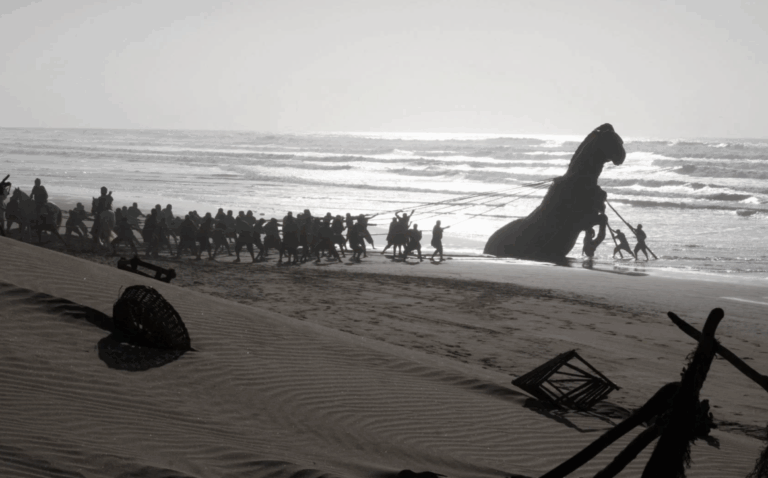
"All this he saw, for one moment breathless and intense, vivid on the morning sky; and still, as he looked, he lived; and still, as he lived, he wondered."

Namor goes to Hell

20120619-224810.jpg

Dopo un primo numero che lo vedeva scontrarsi con la variante atlantidea dei vampiri, sulla scia di quella gigantesca boiata che era X-men contro Dracula, ecco che torna il nostro tamarro preferito, con le sue alette ai piedi e il suo costumino da bagno aderente. A narrarne le vicende è sempre Stuart Moore, che purtroppo in questa fase sembra aver perduto l’ispirazione, trascinando con sé un Ariel Olivetti che nello scorso numero era stranamente gentile e che torna a propinarci i suoi inspiegabili mascelloni. E anche lo spunto narrativo, a dire il vero, non è gran che: Namor si ritrova all’inferno, risucchiato dal medaglione di Loa, ma è un inferno fatto di sabbia e buffe creature che parlano, un inferno che francamente più che sembrare una landa di desolazione e fallimento assomiglia di più all’inferno di Jack Sparrow, con il conseguente naturale effetto anticlimatico. Nemmeno Destino, il confronto con Scott o il ruolo di Emma Frost, riescono a salvarsi, martirizzati come sono da un disegno fastidioso e da una gestione scialba, senza verve.
Nettamente migliore la seconda parte, L’inferno sepolto, anche se l’inizio non lasciava ben sperare: ancora lotte politiche interne ad Atlantide? Leonard Nimoy che compare da un futuro alternativo e non si stupisce nemmeno di non trovare il capitano Kirk? Su, siamo seri… Poi, inaspettatamente, la storia prende una piega interessante, Abira assume un senso che non sia l’essere solo un’altra donna di Namor e trova il proprio ruolo nel regno. Disegni accettabili, senza particolari lampi di genio, ed è un peccato perché un lato grafico più ispirato avrebbe potuto essere di ampio supporto ai passi più lirici e drammatici della vicenda. Altro aspetto deludente, come giustamente ha fatto notare qualcuno, è il modo in cui viene gestita la sparizione del misterioso visitatore del futuro, che sembra essere in netto contrasto con il sistema su cui si fonda l’intero universo Marvel, ovvero quello delle realtà parallele. Che senso ha vederlo svanire e non semplicemente ritornare alla propria linea temporale?
Poco più che riempitiva l’ultima storia: non vale nemmeno la pena parlarne.


books and literature

Ioanna Papadopoulou’s The Castaway and the Witch

I had a genuine “oh shit” moment when I read the author’s preface saying this was darker than “Winter Harvest” because – and I absolutely ADORED “Winter Harvest” – that was pitch-black dark. I thought “we’re all going to die”. This maybe has something to

Read More »
Summertime

The Path You Have to Sing

Alexis Wright‘s Carpentaria, an epic work set in a fictional town called Desperance, opens before there are any people in it at all: an ancestral serpent, “a creature larger than storm clouds,” descends from the stars and drags itself across the wet clay of the

Read More »
movies and tv

But for pursuit of virtue and of knowledge

I’m sure you’ve read enough analysis of Nolan’s Odyssey to last a lifetime, and you don’t need another European ranting that he changed stuff, so I’m not going to. Instead, I’d like to talk about the movie in itself, as an independent work, granting the

Read More »
Share on LinkedIn
Throw on Reddit
Roll on Tumblr
Mail it
No Comments

Post A Comment

This site uses Akismet to reduce spam. Learn how your comment data is processed.

RELATED POSTS

Ioanna Papadopoulou’s The Castaway and the Witch

I had a genuine “oh shit” moment when I read the author’s preface saying this was darker than “Winter Harvest” because – and I absolutely ADORED “Winter Harvest” – that was pitch-black dark. I thought “we’re all going to die”. This maybe has something to

Read More

The Path You Have to Sing

Alexis Wright‘s Carpentaria, an epic work set in a fictional town called Desperance, opens before there are any people in it at all: an ancestral serpent, “a creature larger than storm clouds,” descends from the stars and drags itself across the wet clay of the

Read More

But for pursuit of virtue and of knowledge

I’m sure you’ve read enough analysis of Nolan’s Odyssey to last a lifetime, and you don’t need another European ranting that he changed stuff, so I’m not going to. Instead, I’d like to talk about the movie in itself, as an independent work, granting the

Read More