

Quando parlate di Mussorgsky, non è improbabile che la reazione del prossimo possa essere quella di Gollum in They’re taking the hobbits to Isengard (“What did you say?”). A quel punto potete tentare varie strade, ma la più efficace dovrebbe essere citare la Notte sul Monte Calvo, e in particolare la sua apparizione (non nell’arrangiamento di Rimsky-Korsakov ma in quello dello stesso Leopold Stokowski) come pezzo di chiusura per Fantasia con l’Ave Maria di Schubert.
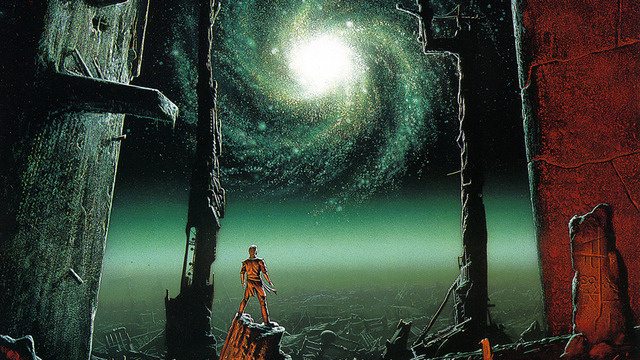
Come spesso accade, la trasposizione a cartoni non è una resa letterale delle vicende narrate nell’originale poema sinfonico, ma ci si avvicina: la composizione di Mussorgsky, che ebbe una storia travagliatissima e non venne mai eseguita mentre l’autore era ancora in vita, prendeva probabilmente le mosse da una rielaborazione di quanto già scritto dallo stesso autore nell’Rco di vari progetti naufragati, e in particolare per l’opera comica La fiera di Sorochyntsi, da una storia breve di Gogol, e in particolare dal pezzo corale nel sogno del pastore. Il risultato finale, sulla cui effettiva paternità sussistono dubbi di ogni genere, è questa visione in quattro parti ambientata sulla Lysa Hora, il Monte Calvo vicino a Kiev, la notte di San Giovanni, tra il 23 e il 24 giugno.
- Сбор ведьм, их толки и сплетни (il radunarsi delle streghe e le loro chiacchiere)
- Поезд Сатаны (il corteo)
- Чёрная служба, Messe noire (la messa nera)
- Шабаш (Sabbath)
Il demonio, che appare nel terzo movimento e viene scacciato al termine dal suono della campana che annuncia l’alba, è chiamato con il termine slavo Chernobog, il cui nome significa dio nero: nella versione della Mlada, un’opera-balletto incompiuta e sopravvissuta solo per la successiva rielaborazione dell’onnipresente Rimsky-Korsakov, il suo corteo viene dettagliato come composto non solo dalle streghe, ma anche da kikimorï (goblin femminili), la dea slava dell’incubo Morena, quello stesso Koschey dell’Uccello di Fuoco, oltre alle divinità della carestia, della pestilenza e delle inondazioni.
Quella di ieri sera è stata un’esecuzione all’insegna delle percussioni, giustamente acclamate e che hanno reso una straordinaria performance. Diretti da Jader Bignamini, l’energica Viviana Mologni è uno spettacolo anche per gli occhi, con il suo scenografico gusto per l’eleganza e la leggerezza del gesto, e le fanno da corredo dei piatti (quasi) impeccabili, un Luca Bleu che al gong potrebbe mettere un po’ più di entusiasmo (ha uno degli strumenti più belli dell’orchestra, per dio) e tutti i suoi amici (Ivan Fossati, Stefano Bardella, Federico Bottero e Lodovico Berto). Nonostante il corno non si smentisca neanche questa sera e ogni tanto si esageri con l’entusiasmo dando il giro, un ottimo spettacolo. Vedremo come saranno domani Kabalevsky e Stravinsky.

No Comments