
Ogni lunedì un libro per iniziare la settimana.
Molly Wright Steenson,
Architectural Intelligence: How Designers and Architects Created the Digital Landscape
Se vi intriga la parte più sperimentale dell’architettura che cito ogni tanto, dal lavoro di Cedric Price ai pattern di Christopher Alexander, questo è il libro che fa per voi.
The purpose of this book is to explore that space between architecture and architecting.
Vi è mai capitato di cercare lavoro su LinkedIn e di vedervi offrire un posto da architetto di sistema, e di domandarvi come mai gli informatici abbiano proprio dovuto usare un termine che veniva dal nostro mondo?
Molly Steenson in questo libro ci racconta che la colpa, a onor del vero, è stata degli architetti. Che la progettazione di una struttura informativa ha visto un contributo fodamentale venire dal mondo delle costruzioni e la resistenza del settore è tanto più paradossale, leggendo queste cronache di storia recente.

Si concentra principalmente sul lavoro di quattro architetti: Christopher Alexander, Richard Saul Wurman, Cedric Price e Nicholas Negroponte, tra il 1960 e il 1980, con il MIT Architecture Machine Group.
As Alexander, Wurman, Price, and Negroponte began to conceive of their work in terms of information processing and computational practices, they found themselves in a liminal space between the two fields, which caused them to question whether what they were doing was architectural at all, or something in opposition to it, or something new altogether.
Non che il loro sia stato un percorso privo di scossoni: nel tempo sono arrivati a caratterizzarsi come anti-architetti, specialmente in quella parte di esplorazione teorica che non sarebbe mai stata costruita e che il solo pensare di costruire avrebbe vanificato nella sua stessa essenza.

Ma nel libro non si parla (solo) di architettura: il lavoro di Alexander, Price, Negroponte e Wurman è particolarmente affascinante, specie nel tempo in cui viviamo, se applicato allo studio degli spazi in funzione delle relazioni sociali, agli studi urbanistici, alla progettazione delle infrastrutture.

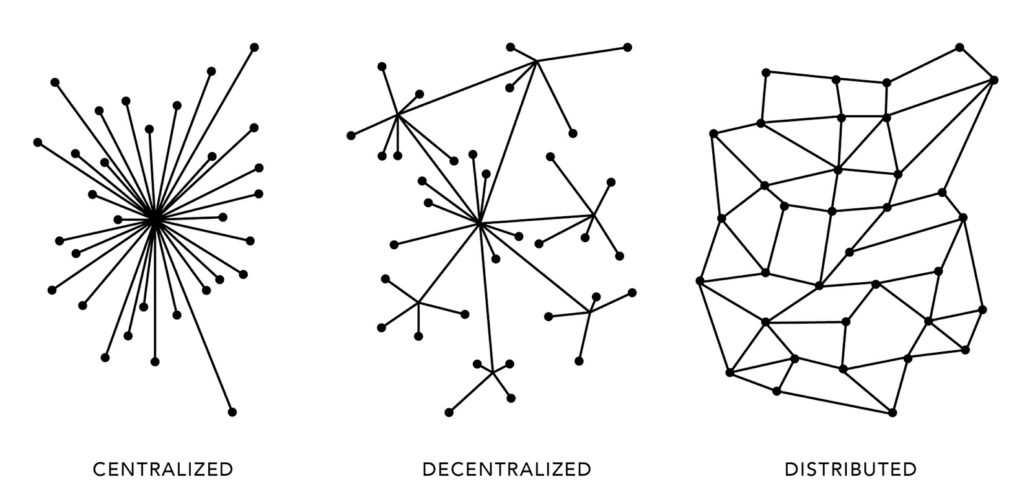
Se questo non bastasse, il lavoro di Paul Baran (nel 1964) prende i ragionamenti svolti su scala urbanistica e li trasporta nell’ambito delle reti di comunicazione, mettendo a confronto benefici e svantaggi di una rete centralizzata, decentralizzata e distribuita, con una serie di diagrammi estremamente rilevanti ancora oggi in logistica (vi state domandando come mai il cambio improvviso di abitudini ha messo in difficoltà i supermercati?) ma anche nella progettazione delle strutture di dati.
Un libro fondamentale, insomma, per parlare di dati con cognizione di causa.
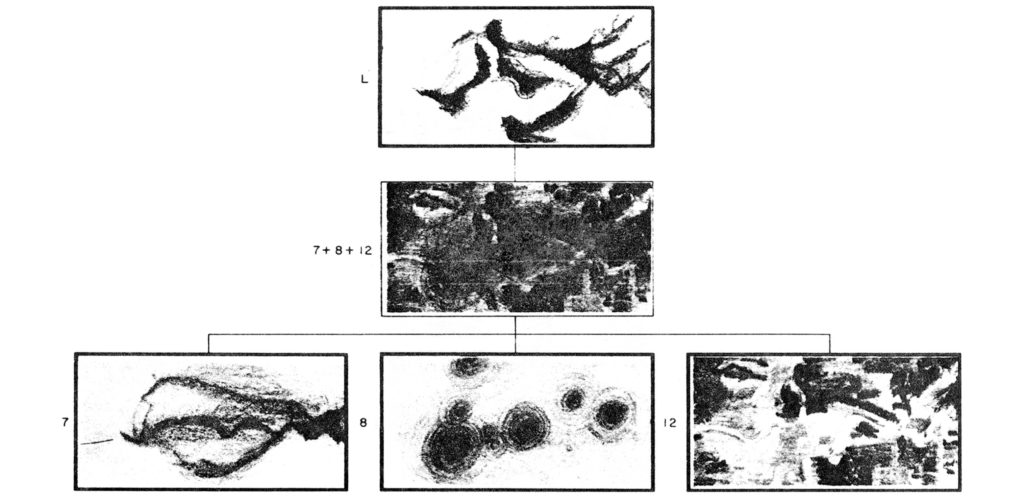
L’immagine nell’intestazione è da uno dei lavori citati nel libro: Jonathan Grudin, “The Computer Reaches Out: The Historical Continuity of Interface Design,” in Proceedings of the SIGCHI Conference on Human Factors in Computing Systems, CHI ’90 (New York: ACM), 263.





No Comments