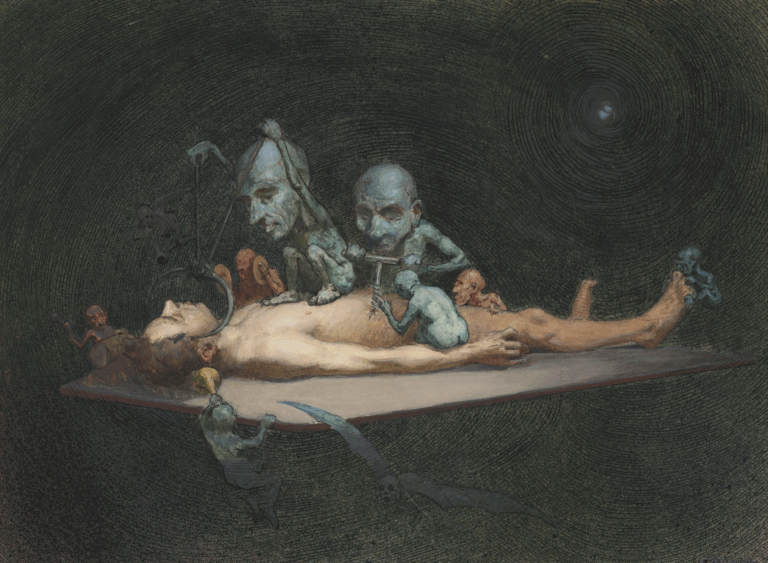
"All this he saw, for one moment breathless and intense, vivid on the morning sky; and still, as he looked, he lived; and still, as he lived, he wondered."

Marcello Sgambelluri – The Dynamo and Grasshopper for Revit Cheat Sheet Reference Manual

Da anni ormai Marcello Sgambelluri ci regala i suoi workflow, i suoi segreti, i suoi trucchi del mestiere. Qui trovate la raccolta dei suoi canali: podcast, su cui ho avuto il piacere di essere ospite un paio di volte, blog, canale Youtube e l’occasionale fumetto. Istrionico divulgatore, oltre che grande professionista, ha tenuto classi assolutamente leggendarie e il suo contributo di quest’anno, 8 Yrs’ Worth of Dynamo and Revit Classes from 1 Speaker in 60 Min, è il preludio a questa pubblicazione a lungo attesa.

Marcello Sgambelluri,
The Dynamo and Grasshopper for Revit Cheat Sheet Reference Manual.

È disponibile sia in formato Kindle che cartaceo e, se state pensando che il prezzo è alto, tenete presente che il titolo della classe non mente: in questo libro ci sono davvero oltre otto anni di lavoro di un professionista straordinario.

This manual is intended for Dynamo users who want to learn Grasshopper for Revit, Grasshopper users who want to learn Dynamo for Revit, and users who are new to both Dynamo and Grasshopper and want to learn one or the other. This manual is also intended as a quick reference for current Dynamo and/or Grasshopper users at all levels. This manual will introduce the readers to a more introductory level of practical Grasshopper and Dynamo for Revit concepts.

Il manuale è diviso in quattro parti:

  1. Grasshopper e Dynamo per la geometria, con esercizi comparativi spiegati secondo il concetto dei cheat sheet, ben noto a chiunque abbia seguito una classe di Marcello;
  2. Il database di Revit e come usare Dynamo e Grasshopper per interfacciarsi con esso;
  3. Creazione di nodi personalizzati in Dynamo e Grasshopper usando C#;
  4. Interoperabilità e come spostare geometria e dati da Rhino a Revit e da Dynamo a Revit.

architecture, engineering and construction

Artificial Integrity in the Age of Anxiety

In 1947, British-American poet W.H. Auden published The Age of Anxiety, a long poem subtitled “A Baroque Eclogue”. In a nutshell, four strangers meet in a bar on Third Avenue in Manhattan, on All Souls’ Night, so it’s even seasonal, in the middle of a

Read More »
Spooktober

Spooktober 2026 – That’s a wrap!

…and that’s a wrap! Eighteen classic stories, if my math is correct, 29 posts, and the candle’s waning. It’s almost time. Are you all set up? Who are you celebrating with, and what are you dressed up as? Whether it’s true crime or contemporary politicians

Read More »
books and literature

Bulgakov’s The Fatal Eggs

Mikhail Bulgakov (Kyiv, 1891–1940) was a novelist, playwright, and former physician, whom I’m sure you know for The Master and Margarita, published posthumously. His work blends sharp satire, fantasy, grotesque comedy, and moral seriousness, often targeting Soviet bureaucracy and ideological hypocrisy, but I had no

Read More »
Share on LinkedIn
Throw on Reddit
Roll on Tumblr
Mail it
No Comments

Post A Comment

This site uses Akismet to reduce spam. Learn how your comment data is processed.

RELATED POSTS

Artificial Integrity in the Age of Anxiety

In 1947, British-American poet W.H. Auden published The Age of Anxiety, a long poem subtitled “A Baroque Eclogue”. In a nutshell, four strangers meet in a bar on Third Avenue in Manhattan, on All Souls’ Night, so it’s even seasonal, in the middle of a

Read More

Spooktober 2026 – That’s a wrap!

…and that’s a wrap! Eighteen classic stories, if my math is correct, 29 posts, and the candle’s waning. It’s almost time. Are you all set up? Who are you celebrating with, and what are you dressed up as? Whether it’s true crime or contemporary politicians

Read More

Bulgakov’s The Fatal Eggs

Mikhail Bulgakov (Kyiv, 1891–1940) was a novelist, playwright, and former physician, whom I’m sure you know for The Master and Margarita, published posthumously. His work blends sharp satire, fantasy, grotesque comedy, and moral seriousness, often targeting Soviet bureaucracy and ideological hypocrisy, but I had no

Read More