"All this he saw, for one moment breathless and intense, vivid on the morning sky; and still, as he looked, he lived; and still, as he lived, he wondered."

La sindrome dell’influenza: quattro cose da vedere

20130407-135151.jpg

Venerdì sera, dopo il consueto ritardo e una francamente imbarazzante performance del povero Fabrizio Meloni, clarinettista della Scala, che di fronte a un pubblico indifferente si è esibito nella profondamente discutibile Sequenza IX di Luciano Berio, si è inaugurata in Triennale la sesta edizione del museo del design. Merita? Non merita? Ecco quattro cose da vedere assolutamente. Il resto sta a voi.

1. L’installazione Frottage all’ingresso, di Setsu & Shimobu Ito, dedicata alle texture naturali: tende create lasciando libera di aprirsi la bellissima Moleskine a soffietto creata appositamente per l’occasione, i tavolini in legno di cedro per Riva 1920, lo sgabello-conchiglia per P-one, il vetro decorato Su Acqua per Omni Decor.

2. La celebrazione che Blumerandfriends fa di Marco Zanuso, con la sua divertentissima macchina interattiva Bum! che imprime il nome del designer su una sottile lamina metallica e la soffia verso il visitatore.

3. L’installazione cinetica di Cassani & Librizzi per celebrare l’opera di Franco Munari, con tanto di hipster che si dondola.

4. La collezione epistolare e di memento allestita da Martino Giamper per Gio Ponti.

5. Il delizioso trenino di Alessandro Mendini per Alessi.

In generale, un’edizione più giocosa degli altri anni, con scatole magiche più o meno riuscite (vedi l’installazione di Patricia Urquiola per Moroso), opere interattive, movimenti e meccanismi. Meritevole di una seconda visita, con meno folla e più calma.


books and literature

Ioanna Papadopoulou’s The Castaway and the Witch

I had a genuine “oh shit” moment when I read the author’s preface saying this was darker than “Winter Harvest” because – and I absolutely ADORED “Winter Harvest” – that was pitch-black dark. I thought “we’re all going to die”. This maybe has something to

Read More »
Summertime

The Path You Have to Sing

Alexis Wright‘s Carpentaria, an epic work set in a fictional town called Desperance, opens before there are any people in it at all: an ancestral serpent, “a creature larger than storm clouds,” descends from the stars and drags itself across the wet clay of the

Read More »
movies and tv

But for pursuit of virtue and of knowledge

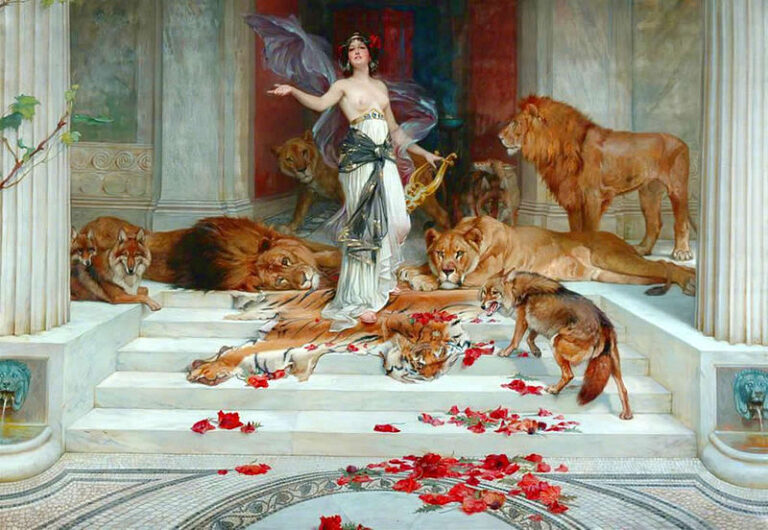
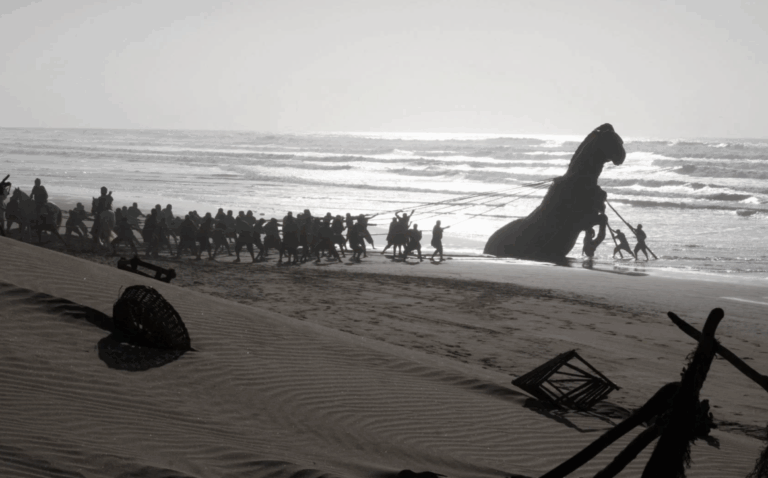
I’m sure you’ve read enough analysis of Nolan’s Odyssey to last a lifetime, and you don’t need another European ranting that he changed stuff, so I’m not going to. Instead, I’d like to talk about the movie in itself, as an independent work, granting the

Read More »
Share on LinkedIn
Throw on Reddit
Roll on Tumblr
Mail it
No Comments

Post A Comment

This site uses Akismet to reduce spam. Learn how your comment data is processed.

RELATED POSTS

Ioanna Papadopoulou’s The Castaway and the Witch

I had a genuine “oh shit” moment when I read the author’s preface saying this was darker than “Winter Harvest” because – and I absolutely ADORED “Winter Harvest” – that was pitch-black dark. I thought “we’re all going to die”. This maybe has something to

Read More

The Path You Have to Sing

Alexis Wright‘s Carpentaria, an epic work set in a fictional town called Desperance, opens before there are any people in it at all: an ancestral serpent, “a creature larger than storm clouds,” descends from the stars and drags itself across the wet clay of the

Read More

But for pursuit of virtue and of knowledge

I’m sure you’ve read enough analysis of Nolan’s Odyssey to last a lifetime, and you don’t need another European ranting that he changed stuff, so I’m not going to. Instead, I’d like to talk about the movie in itself, as an independent work, granting the

Read More