
 Jupiter Ascending è un film strano. È come se a un certo punto i fratelli Wachowski si fossero trovati al bar (perché lo fanno, ne sono sicura) e dopo cinque bicchieri di mojito abbiano tirato fuori questa idea spettacolare per un film di fantascienza sontuoso, colmo di contaminazioni tra lo sci-fi e il fantasy, con tutti quei differenti livelli di consapevolezza della realtà che tanto ci piacevano in Matrix e un latente senso del meraviglioso, quando porta dopo porta viene rivelato chi regge i destini dell’universo.
Ecco.
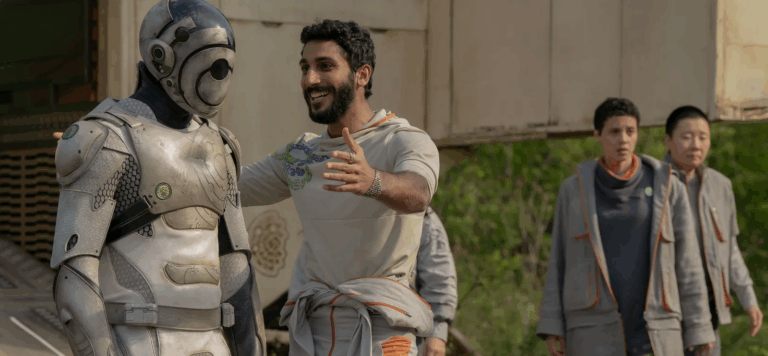
Jupiter ascending è quel film. O meglio, è ciò che resta di quel film. È come quell’idea, quella donna di Ortolani (perché per Ortolani le idee sono come le donne, a quanto pare), quella che hai sognato e ti sembrava bellissima, e poi rivista al mattino ha i baffi. Quella che avevi avuto in passato e ti sembrava stupenda, ma poi avevi scartato e andandola a riprendere oggi… beh, capisci perché l’avevi scartata. Jupiter ascending è quell’idea. O forse è soltanto ciò che è sopravvissuto nella memoria dei due Wachowski ubriachi. Sopravvive quindi un titolo fighissimo, spiegato poi da una semplice banalità (la protagonista, figlia orfana di un astronomo, si chiama Jupiter). Sopravvive un’estetica sontuosa e spettacolare, raffinatissima, più vicina a quel piccolo capolavoro che era Cloud Atlas rispetto alle atmosfere cyberpunk di Matrix. Sopravvive una regia estremamente sapiente nei meravigliosi inseguimenti e nelle battaglie spaziali.
E poi?
E poi una Mila Kunis bellissima e trasformista (un mistero come riesca contemporaneamente a sembrare una ragazzina e una signora), Sean Bean che (incredibilmente) non muore. Ma anche un Eddie Redmayne che forse ha bruciato tutto il suo talento annuale nei panni di Stephen Hawking senza che gliene sia rimasto nemmeno un briciolo per questo film. O Tuppence Middleton che tenta un numero di trasformismo come Charlize Theron nei panni della regina cattiva ma ha ancora parecchio da correre e Channing Tatum che corre pure troppo. Per aria. Sui pattini.
E poi?
E poi basta. Si rimane con quella stessa domanda che si pone la protagonista.
Ovvero cosa, cosa significa?




1 Comment
Pingback:Shelidon › 2015 in movies
Posted at 00:01h, 05 January[…] Jupiter Ascending Ok, you remember it, I wrote about it here. It was confused and confusing. And I am still not sure what the idea was. Still, it’s […]