
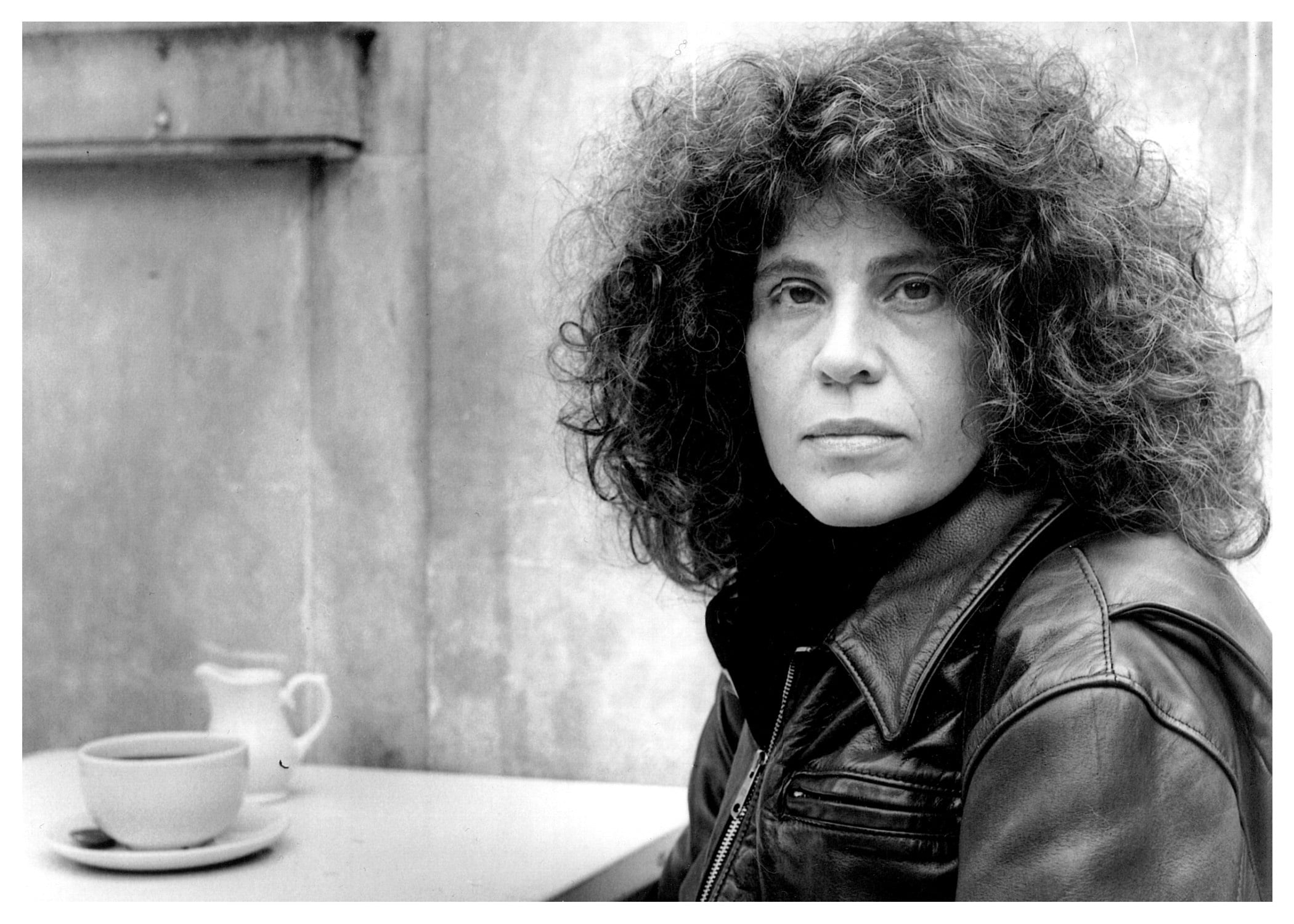
Anne Michaels is a Toronto‑based Canadian writer who first gained attention as a poet before becoming internationally recognised for her fiction. Her writing is poetic and meditative, blending philosophical reflection on history, trauma, and ethics, and she’s best known for her debut novel Fugitive Pieces (1996), a lyrical, award‑winning work about Holocaust memory, loss, and the redemptive power of language. Alongside Fugitive Pieces, she has published other novels, including The Winter Vault (2009) and After (2023), and continues to be associated with literary festivals and Canadian literary culture.
The scene her most famous novel opens with a seven-year-old Polish Jewish boy named Jakob Beer who, having watched his family murdered and having fled through a Polish forest, ends up hiding in the mud of an active archaeological excavation at Biskupin, an actual Iron Age settlement being dug out of a peat bog. When the Greek geologist Athos Roussos finds him the next morning, caked in dirt, he mistakes the boy at first for a bog body — another Tollund Man, another perfectly preserved ancient corpse the peat has kept intact for centuries — and only realises Jakob is alive when tears start cutting tracks through the mud on his face. History and a living person, for one disorienting morning, occupy the exact same excavation trench, and the geologist can’t immediately tell which one he’s looking at.
That confusion turns out to be the book’s most fascinating line of thought. Michaels keeps returning to a distinction she states most plainly partway through: “History is amoral: events occurred. But memory is moral: what we consciously remember is what our conscience remembers.” History, in her account, is the Totenbuch, the administrative book of the dead, the record kept, dispassionately, by whoever was running the camp. Memory is the Memorbücher, the names read aloud in the synagogue, kept alive by an act of will that has to be performed again and again or it lapses. Both books can describe the same events. Only one of them bears responsibility.
Though I wholeheartedly disagree with this distinction (and Athos Roussos often talks on how the Nazis distorted archaeology), the points stands well enough to be interesting.
For what concerns us this summer, I think architecture and planning are extremely good at producing the first kind of book and mistake it for having done the second. A heritage listing, a conservation report, a protective designation are Totenbücher in Michaels’s sense: neutral, administrative, recording that a place existed and specifying the conditions under which it may continue to exist as-is, without requiring anyone to feel anything about it at all. A place can be perfectly catalogued, protected under statute, structurally sound, and still not be remembered in the sense Michaels means, because remembering is a moral and communal act that has to be renewed, not a status a building acquires once and keeps. The plaque is history. Somebody actually returning, year after year, to read the names it lists, is memory. Very few sites carrying real trauma get both, and it’s worth being honest about which one a given intervention is actually providing.
No Comments