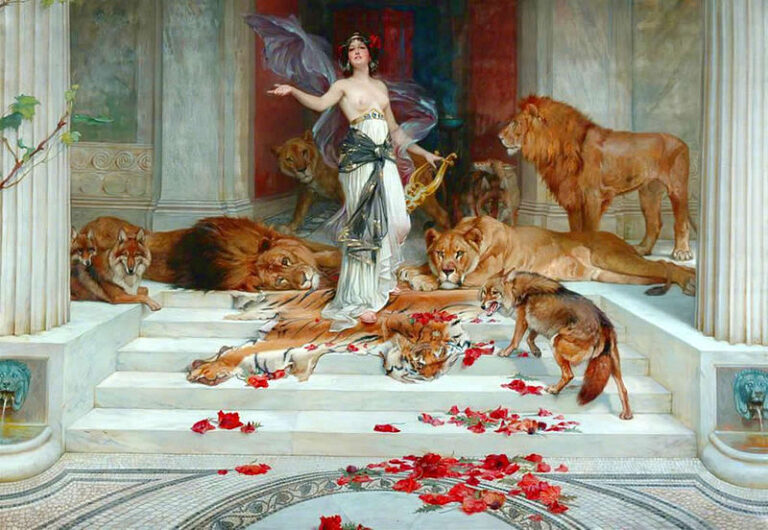
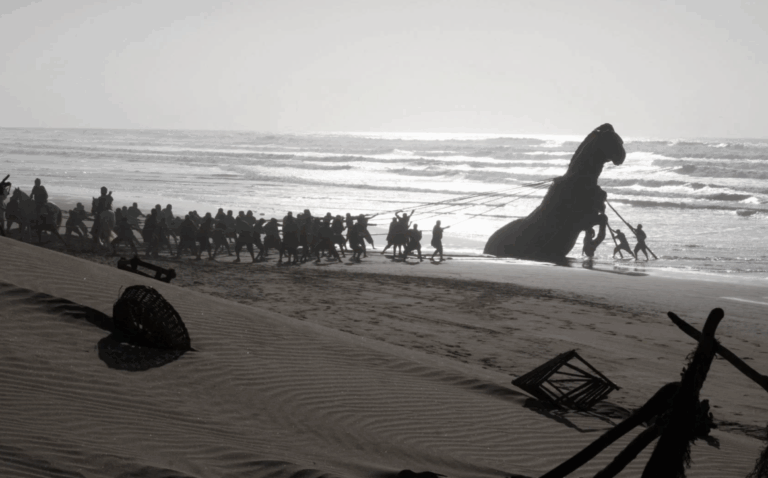
"All this he saw, for one moment breathless and intense, vivid on the morning sky; and still, as he looked, he lived; and still, as he lived, he wondered."

#BIMpill – WBS

Dato il grande successo della pillola della settimana scorsa (l’avevo detto: la WBS è più popolare di una cheerleader), approfondisco l’argomento prendendo un’altra pillola di saggezza, questa volta tratta dal volume monografico di Antonio Ortenzi dedicato a pianificazione di tempi e costi.

Nel libro (in cui troverete anche alcune parti su Agile e Scrum che vi dovrebbero apparire straordinariamente familiari) vengono elencati 9 passi per la redazione di una buona WBS:

  1. La WBS e la descrizione di tutte le attività previste ai vari livelli devono essere esaustive e di facile interpretazione;
  2. La scomposizione è corretta se i componenti di livello inferiore sono quelli necessari e sufficienti per il completamento dei corrispondenti di livello superiore (principio noto anche come Regola del 100%);
  3. Deve contenere il 100% del lavoro definito dal progetto e tutto il necessario alla sua realizzazione (sia esso interno, esterno o appaltato) inclusa la gestione;
  4. La WBS deve essere flessibile, per poter variare l’impostazione e la sequenza delle attività.
  5. Anche se i vari livelli possono essere ottenuti seguendo logiche diverse, ogni singolo livello di disaggregazione deve essere sviluppato secondo una sola logica interna;
  6. Ogni parte della WBS deve essere formulata tenendo in considerazione il fatto che è necessaria una sua codificazione;
  7. La WBS deve essere compatibile con i requisiti imposti dalla contabilità industriale e con quelli legati ai sistemi aziendali in gioco;
  8. I Work Package devono essere omogenei;
  9. Deve poter permettere una pianificazione delle milestone, rappresentate da eventi o da attività con durata zero, come ad esempio la fine dei collaudi di un impianto, la consegna dei lavori, il rilascio di un’autorizzazione, l’aggiudicazione di un work package.


books and literature

Ioanna Papadopoulou’s The Castaway and the Witch

I had a genuine “oh shit” moment when I read the author’s preface saying this was darker than “Winter Harvest” because – and I absolutely ADORED “Winter Harvest” – that was pitch-black dark. I thought “we’re all going to die”. This maybe has something to

Read More »
Summertime

The Path You Have to Sing

Alexis Wright‘s Carpentaria, an epic work set in a fictional town called Desperance, opens before there are any people in it at all: an ancestral serpent, “a creature larger than storm clouds,” descends from the stars and drags itself across the wet clay of the

Read More »
movies and tv

But for pursuit of virtue and of knowledge

I’m sure you’ve read enough analysis of Nolan’s Odyssey to last a lifetime, and you don’t need another European ranting that he changed stuff, so I’m not going to. Instead, I’d like to talk about the movie in itself, as an independent work, granting the

Read More »
Share on LinkedIn
Throw on Reddit
Roll on Tumblr
Mail it
No Comments

Post A Comment

This site uses Akismet to reduce spam. Learn how your comment data is processed.

RELATED POSTS

Ioanna Papadopoulou’s The Castaway and the Witch

I had a genuine “oh shit” moment when I read the author’s preface saying this was darker than “Winter Harvest” because – and I absolutely ADORED “Winter Harvest” – that was pitch-black dark. I thought “we’re all going to die”. This maybe has something to

Read More

The Path You Have to Sing

Alexis Wright‘s Carpentaria, an epic work set in a fictional town called Desperance, opens before there are any people in it at all: an ancestral serpent, “a creature larger than storm clouds,” descends from the stars and drags itself across the wet clay of the

Read More

But for pursuit of virtue and of knowledge

I’m sure you’ve read enough analysis of Nolan’s Odyssey to last a lifetime, and you don’t need another European ranting that he changed stuff, so I’m not going to. Instead, I’d like to talk about the movie in itself, as an independent work, granting the

Read More