"All this he saw, for one moment breathless and intense, vivid on the morning sky; and still, as he looked, he lived; and still, as he lived, he wondered."

#BIMpill – Waterfall

Nell’ultima pillola di agosto, concediamoci una digressione e qualche riferimento sulle origini del Waterfall, l’insieme di metodi per la gestione dei progetti considerato più tradizionale e forse il più glorificato in un’industria delle costruzioni che si ritiene spesso troppo seria per metodi agili e gestioni snelle.

Abbiamo già visto da una parte come la gestione snella e lo sviluppo incrementale nascano appositamente per gestire problemi complessi in situazioni altamente adattive e sarebbero quindi più adatti per un progetto di edilizia.

Scavando nelle origini del Waterfall, scopriamo dall’altro lato come anche questo abbia origini nello sviluppo del software e nasca dalla committenza militare negli Stati Uniti (come anche lo schema COBie).

In particolare tra le sue prime menzioni troviamo il DOD-STD-2167A, del 29 febbraio 1988, in cui si stabilisce che:

«The contractor shall implement a software development cycle that includes the following six phases: Software Requirement Analysis, Preliminary Design, Detailed Design, Coding and Unit Testing, Integration, and Testing»

Nello schema perfezionato da Winston W. Royce nel suo Managing the Development of Large Software Systems (1970) le fasi sono cinque o sei, a seconda della versione.

Quello che però troppo spesso ci si dimentica è che anche in Waterfall il processo è da intendersi come iterativo: le fasi non si chiudono in modo irreparabile prima dell’inizio della successiva ma, al contrario, lo sviluppo della successiva impone una revisione e una verifica su quella precedente e sulle altre fasi del processo ad essa collegate.

architecture, engineering and construction

The Answer’s in Your Model (and yet, it might be wrong)

A few weeks ago, in one of those happy convergences of life, I was reading an Italian essay on Italo Calvino and artificial intelligence (I wrote about it here), and there’s a very interesting set of passages that have to do with our contemporary obsession

Read More »
movies and tv

The End of Oak Street

By the life of me, I don’t understand how’s possible that this movie was ever cleared for production. The concept is simple, and shamefully Stephen King-esque: a portion of a small suburban town gets teleported into a not particularly well-defined “age of dinosaurs,” and the

Read More »
books and literature

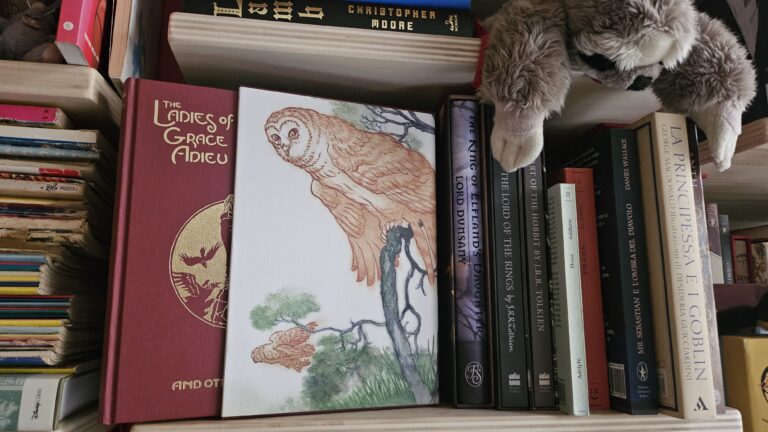
Susanna Clarke’s The Ladies of Grace Adieau

I had forgotten how much I was bored by Clarke’s Jonathan Strange & Mr Norrell, but I trust I’ll like other stuff by the same author and, before tackling Piranesi, I decided to finally approach this one. Not remembering these are spin-off stories from Jonathan

Read More »
Share on LinkedIn
Throw on Reddit
Roll on Tumblr
Mail it
No Comments

Post A Comment

This site uses Akismet to reduce spam. Learn how your comment data is processed.

RELATED POSTS

The End of Oak Street

By the life of me, I don’t understand how’s possible that this movie was ever cleared for production. The concept is simple, and shamefully Stephen King-esque: a portion of a small suburban town gets teleported into a not particularly well-defined “age of dinosaurs,” and the

Read More

Susanna Clarke’s The Ladies of Grace Adieau

I had forgotten how much I was bored by Clarke’s Jonathan Strange & Mr Norrell, but I trust I’ll like other stuff by the same author and, before tackling Piranesi, I decided to finally approach this one. Not remembering these are spin-off stories from Jonathan

Read More