"All this he saw, for one moment breathless and intense, vivid on the morning sky; and still, as he looked, he lived; and still, as he lived, he wondered."

#BIMpill – Just in Time

La pillola di oggi riguarda il Just in Time, uno dei principi produttivi Toyota alla base del Lean.

Il sistema è introdotto nel 1937, riprendendo il concetto di Jidoka (costruire la qualità dentro al processo) già introdotto da Sakichi Toyoda. E’ suo figlio Klichiro Toyoda che inizia a introdurre il concetto di “continuous flow”, alla base del sistema “Just In Time”.

Il sistema richiede che venga prodotto solo ciò che è necessario, quando è necessario e nella quantità necessaria e si basa su quattro principi:

  1. Quando si riceve un ordine, le istruzioni di produzione devono essere inviate all’inizio della catena produttiva il prima possibile;
  2. La linea produttiva deve avere già a disposizione  il numero richiesto di tutte le parti necessarie, in modo da poter assemblare qualunque tipo di oggetto sia stato ordinato;
  3. La linea produttiva deve rimpiazzare le parti utilizzate approvvigionandosi dello stesso numero di parti dai processi di produzione delle singole parti stesse (processi precedenti);
  4. I processi precedenti devono a loro volta avere già a disposizione piccoli numeri di ciascuna delle parti e devono produrre solo il numero di parti che sono state richieste dagli operatori dei processi superiori.

Un tentativo di applicazione interessante in un processo BIM può essere ad esempio strutturato nella progettazione del flusso di produzione di componenti modulari o prefabbricati per il modello esecutivo di un edificio.

La pillola è estratta da una lezione di BIM.AgileManagement tenuta in sede CLEX il 24/09/2020.

..

architecture, engineering and construction

You said the same about BIM

Last week I wrote a post about the anxiety many sectors are feeling in the face of AI, and about integrity as a tool to approach the technological shift we’re undergoing. It was a good post. I’m happy about that post. Some people reached out,

Read More »
books and literature

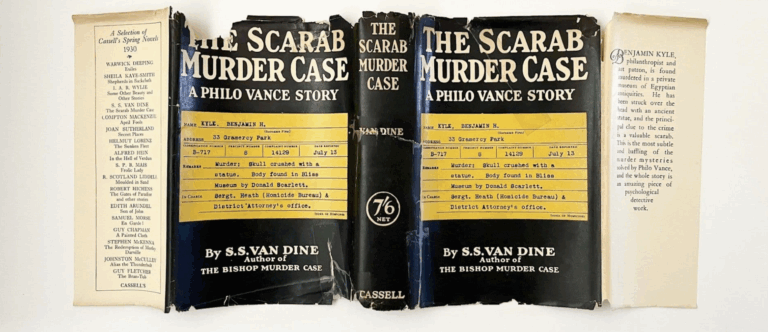
S.S. Van Dine’s The Scarab Murder

S.S. Van Dine was the pen name of Willard Huntington Wright (1888–1939), an art critic, editor, and novelist from the US who created Philo Vance, apparently one of the defining amateur detectives of the Golden Age of detective fiction. The Vance series ran to twelve

Read More »
books and literature

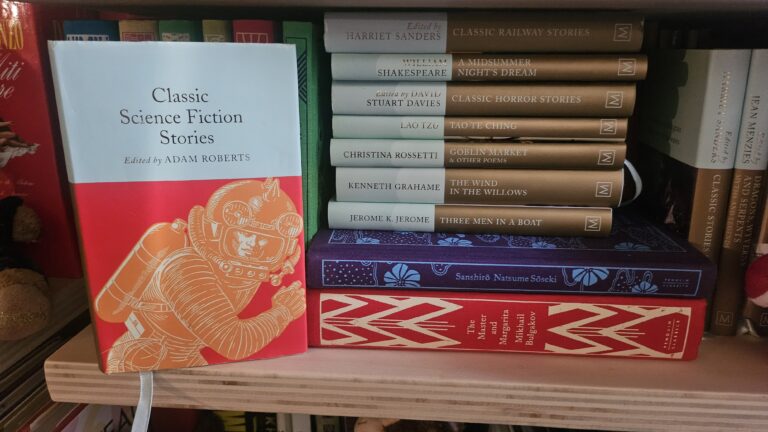
Classic Science Fiction Stories

This is the third collection I read from these charming little light-blue books with the golden pages, and they’re uneven at best. Once again, as such, I have mixed feelings about this collection and I’ll have to proceed scientifically to give a rating, so here

Read More »
Share on LinkedIn
Throw on Reddit
Roll on Tumblr
Mail it
No Comments

Post A Comment

This site uses Akismet to reduce spam. Learn how your comment data is processed.

RELATED POSTS

You said the same about BIM

Last week I wrote a post about the anxiety many sectors are feeling in the face of AI, and about integrity as a tool to approach the technological shift we’re undergoing. It was a good post. I’m happy about that post. Some people reached out,

Read More

S.S. Van Dine’s The Scarab Murder

S.S. Van Dine was the pen name of Willard Huntington Wright (1888–1939), an art critic, editor, and novelist from the US who created Philo Vance, apparently one of the defining amateur detectives of the Golden Age of detective fiction. The Vance series ran to twelve

Read More

Classic Science Fiction Stories

This is the third collection I read from these charming little light-blue books with the golden pages, and they’re uneven at best. Once again, as such, I have mixed feelings about this collection and I’ll have to proceed scientifically to give a rating, so here

Read More