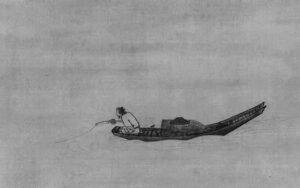
"All this he saw, for one moment breathless and intense, vivid on the morning sky; and still, as he looked, he lived; and still, as he lived, he wondered."

#BIMpill – Il principio di Swarming

Il principio di swarming in DevOps fa parte della cosiddetta “seconda via”, ovvero quella che favorisce un flusso di feedback rapido e costante che risale da chi utilizza i prodotti a chi li sviluppa, perché possano essere incorporati nei cicli successivi di produzione. Dato che il feedback sul prodotto dev’essere incentivato, correttamente amplificato e valorizzato, vengono individuate diverse tecniche per favorire queste dinamiche all’interno del flusso di produzione.

L’idea di “aggredire” i problemi (swarming), è orientata appunto a conseguire tre sotto-obiettivi, mentre l’obiettivo primario è costruire nuova conoscenza:

  1. impedire ai problemi di propagarsi lungo la catena di sviluppo, dove il costo di risolverli è più alto (un principio che già abbiamo visto in relazione all’impedire di incorporare difetti nelle fasi iniziali di sviluppo, perché andando avanti con il lavoro questi difetti si ingigantiscono);
  2. impedire che il dipartimento di sviluppo inizi nuovo lavoro basandosi sugli errori pregressi: spesso i progetti precedenti vengono presi come base di partenza per nuovi cicli di sviluppo senza sapere se effettivamente quella soluzione tecnica si sia rivelata vincente;
  3. impedire di incorrere negli stessi problemi con le consegne di nuovi prodotti.

books and literature

Lolly Willowes

Sylvia Townsend Warner is one of the most interesting literary figures of the 21st century, and Lolly Willowes is one of her finest works, even more stunning if you think it was her debut novel. Self-supporting, intellectually independent, and consistently sceptical of social and religious

Read More »
books and literature

Fugitive Telemetry

This is book #6 in the Murderbot series (yes, I accidentally skipped #5, I’m circling back to that), and I’m afraid I didn’t like this as much as the others. The whole investigation felt a bit rushed and, though the final twist is interesting in

Read More »
architecture, engineering and construction

The Discipline of Inspiration: Valéry and the Algorithmic Mind

Paul Valéry rejected inspiration as miracle, seeing creativity as the discipline of thought in motion. This week, we parallel his notion of mental “operations” with computational procedures in design: iteration, optimisation, constraint, and recombination, and challenge the dichotomy between intuition and automation. Drawing on contemporary

Read More »
Share on LinkedIn
Throw on Reddit
Roll on Tumblr
Mail it
No Comments

Post A Comment

This site uses Akismet to reduce spam. Learn how your comment data is processed.

RELATED POSTS

Lolly Willowes

Sylvia Townsend Warner is one of the most interesting literary figures of the 21st century, and Lolly Willowes is one of her finest works, even more stunning if you think it was her debut novel. Self-supporting, intellectually independent, and consistently sceptical of social and religious

Read More

Fugitive Telemetry

This is book #6 in the Murderbot series (yes, I accidentally skipped #5, I’m circling back to that), and I’m afraid I didn’t like this as much as the others. The whole investigation felt a bit rushed and, though the final twist is interesting in

Read More

The Discipline of Inspiration: Valéry and the Algorithmic Mind

Paul Valéry rejected inspiration as miracle, seeing creativity as the discipline of thought in motion. This week, we parallel his notion of mental “operations” with computational procedures in design: iteration, optimisation, constraint, and recombination, and challenge the dichotomy between intuition and automation. Drawing on contemporary

Read More