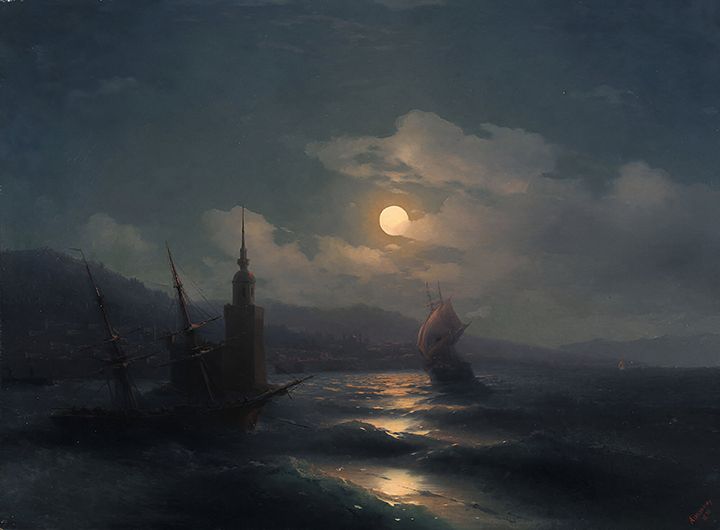
"All this he saw, for one moment breathless and intense, vivid on the morning sky; and still, as he looked, he lived; and still, as he lived, he wondered."

#BIMpill – Gestione del Valore

Dopo la pillola della scorsa settimana, dedicata alla gestione del prodotto, vediamo qualcosa sulla gestione del valore.

La definizione di “valore” dipende dal contesto e, quindi, dalla visione.
Se il programma tiene in considerazione ad esempio l’efficientamento interno che deriva dall’introduzione del BIM, il valore è chiaramente da misurare su metriche relative ai workflow interni. Non si tratta quindi (solo) di “vendere” il BIM a un cliente, ma di considerarne il valore complessivo, dentro e fuori la catena di fornitura.

Vediamo quindi dieci principi nella gestione del valore da parte del Product Owner in Scrum e come si trasferiscono nella gestione della transizione al BIM da parte di un BIM manager.

1. Generare valore è l’obiettivo, terminare il prodotto è il mezzo.

2. Misurare il valore.
Se un obiettivo non è misurabile, non è un buon obiettivo.

3. Misurare spesso Key Performance Indicator e Key Value Indicator.

4. Rilasciare presto e spesso i pacchetti di consegna è uno strumento per verificare il valore di quanto viene prodotto.

5. Ridefinire cosa si intende per “valore” mano a mano che si procede con il programma.

6. Il valore è complessivo.

7. Ricordarsi sia del valore esterno che del valore interno.

8. Gli Stakeholder e il team devono essere coinvolti nel calcolo del valore.

9. Nelle stime del valore, è inutile ambire alla perfezione.

10. Le stime devono essere fatte riguardo al valore, ma anche allo sforzo e alla complessità di produzione del prodotto.


books and literature

Classic Stories of the Sea

A charming collection of tales on the sea in various forms, curated by Harrier Sanders, all delightful if a bit too heterogeneous for my taste. You go feom tales of sailors (“The Captain’s Arm”, “Hornblower and the Widow McCool”) to tales in which the sea

Read More »
Summertime

Ten Windows

Jane Hirshfield is an American poet, essayist, and translator, widely admired for work that bridges lyric poetry, meditation, ecology, and philosophy. She’s also known as a lucid critic of poetry and has written influential essays on how poems work and why they matter. Ten Windows:

Read More »
Summertime

The Space You Have to Learn Is There

Annie Dillard is an American writer best known for her lyrical and philosophical essays about nature, attention, and spiritual life. Her most famous book, Pilgrim at Tinker Creek (1974), won the Pulitzer Prize for Nonfiction. It’s a work of made up of connected essays and

Read More »
Share on LinkedIn
Throw on Reddit
Roll on Tumblr
Mail it
No Comments

Post A Comment

This site uses Akismet to reduce spam. Learn how your comment data is processed.

RELATED POSTS

Classic Stories of the Sea

A charming collection of tales on the sea in various forms, curated by Harrier Sanders, all delightful if a bit too heterogeneous for my taste. You go feom tales of sailors (“The Captain’s Arm”, “Hornblower and the Widow McCool”) to tales in which the sea

Read More

Ten Windows

Jane Hirshfield is an American poet, essayist, and translator, widely admired for work that bridges lyric poetry, meditation, ecology, and philosophy. She’s also known as a lucid critic of poetry and has written influential essays on how poems work and why they matter. Ten Windows:

Read More

The Space You Have to Learn Is There

Annie Dillard is an American writer best known for her lyrical and philosophical essays about nature, attention, and spiritual life. Her most famous book, Pilgrim at Tinker Creek (1974), won the Pulitzer Prize for Nonfiction. It’s a work of made up of connected essays and

Read More