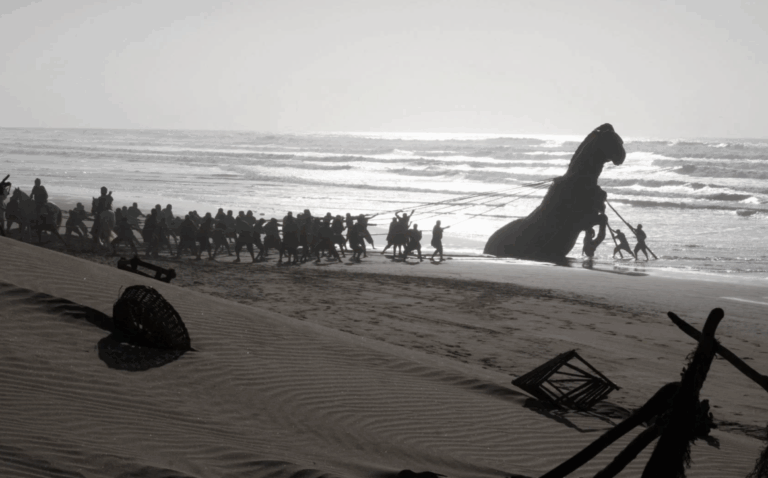
"All this he saw, for one moment breathless and intense, vivid on the morning sky; and still, as he looked, he lived; and still, as he lived, he wondered."

#BIMpill – DevOps

La “pillola” di oggi riguarda un metodo di sviluppo del software punta ad una migliore comunicazione, collaborazione e integrazione tra sviluppatori e addetti alla messa a disposizione del prodotto o del servizio, che si interfacciano con il cliente finale. Il metodo si chiama DevOps, contrazione tra Development (sviluppo) e Operation (per l’appunto la messa a disposizione del servizio al cliente finale) ed è rilevante per noi perché troppo spesso si crea un baratro tra chi sviluppa oggetti parametrici e chi li deve utilizzare, tra chi sviluppa script e chi li deve implementare sull’utente finale, tra chi fa BIM e chi fa il progetto (una distinzione che non dovrebbe proprio esistere).

In particolare, Gartner definisce:

Development. Il processo di ideare, redigere le specifiche, progettare, programmare, documentare, testare e ottimizzare che sottende alla creazione e al mantenimento di applicativi, framework o altre componenti del prodotto.

Operation. Tutte quelle persone e quei processi gestionali associati alla gestione del servizio, che si occupano di fornire ai clienti il giusto gruppo di servizi con un livello di qualità adeguato e ad un costo competitivo.

Si compone di otto fasi, quattro nell’ambito “Dev” e quattro nell’ambito “Ops”:

  • Plan,
  • Code,
  • Build,
  • Test,
  • Release,
  • Deploy,
  • Operate,
  • Monitor.

Parte della rivoluzione del metodo consiste nello spostamento delle fasi di rilascio e monitoraggio a carico di chi rimane più a stretto contatto con il cliente finale, per evitare che gli sviluppatori vivano in un mondo fatato in cui tutto è bellissimo e tutto funziona benissimo (perché l’abbiamo fatto noi).

Gli obiettivi sono di tre tipi.

Obiettivi di carattere temporale:

  • Maggior rapidità di pubblicazione sul mercato;
  • Miglioramento nella frequenza delle consegne di nuove componenti.

Obiettivi relativi alla qualità:

  • Maggior allineamento a ciò che serve ai clienti;
  • Minor tasso di fallimento delle componenti rilasciate.

Obiettivi relativi alla mitigazione del rischio:

  • Periodo di attesa più breve per la risoluzione dei problemi;
  • Maggior rapidità nel ritornare a una versione precedente.

Lo stralcio è tratto da una lezione di BIM.AgileManagement tenuta in sede CLEX il 24/09/2020.

..

books and literature

Ioanna Papadopoulou’s The Castaway and the Witch

I had a genuine “oh shit” moment when I read the author’s preface saying this was darker than “Winter Harvest” because – and I absolutely ADORED “Winter Harvest” – that was pitch-black dark. I thought “we’re all going to die”. This maybe has something to

Read More »
Summertime

The Path You Have to Sing

Alexis Wright‘s Carpentaria, an epic work set in a fictional town called Desperance, opens before there are any people in it at all: an ancestral serpent, “a creature larger than storm clouds,” descends from the stars and drags itself across the wet clay of the

Read More »
movies and tv

But for pursuit of virtue and of knowledge

I’m sure you’ve read enough analysis of Nolan’s Odyssey to last a lifetime, and you don’t need another European ranting that he changed stuff, so I’m not going to. Instead, I’d like to talk about the movie in itself, as an independent work, granting the

Read More »
Share on LinkedIn
Throw on Reddit
Roll on Tumblr
Mail it
No Comments

Post A Comment

This site uses Akismet to reduce spam. Learn how your comment data is processed.

RELATED POSTS

Ioanna Papadopoulou’s The Castaway and the Witch

I had a genuine “oh shit” moment when I read the author’s preface saying this was darker than “Winter Harvest” because – and I absolutely ADORED “Winter Harvest” – that was pitch-black dark. I thought “we’re all going to die”. This maybe has something to

Read More

The Path You Have to Sing

Alexis Wright‘s Carpentaria, an epic work set in a fictional town called Desperance, opens before there are any people in it at all: an ancestral serpent, “a creature larger than storm clouds,” descends from the stars and drags itself across the wet clay of the

Read More

But for pursuit of virtue and of knowledge

I’m sure you’ve read enough analysis of Nolan’s Odyssey to last a lifetime, and you don’t need another European ranting that he changed stuff, so I’m not going to. Instead, I’d like to talk about the movie in itself, as an independent work, granting the

Read More