"All this he saw, for one moment breathless and intense, vivid on the morning sky; and still, as he looked, he lived; and still, as he lived, he wondered."

#BIMpill – Design Backwards Approach

Uno dei problemi principali, contro i quali ci si dovrebbe battere quando si redige un capitolato informativo per un cliente, è la tendenza a includere usi del modello “per sentito dire”, che però non generano un effettivo valore aggiunto all’interno del business del cliente.
Per smontare questa dinamica, uno degli approcci che consiglio è un approccio che viene dal mondo dell’istruzione e che viene generalmente applicato al design di curriculum formativi: il backwards design.L’approccio prevede di partire dal fondo, da ciò che si desidera ottenere, per poi procedere a ritroso disegnando le caratteristiche – in questo caso – di un programma formativo.

La sua applicazione è stata poi espansa al design di caratteristiche di prodotti e viene così a comporsi di sei fasi, anch’esse a ritroso:

  1. Cosa vogliamo ottenere?
  2. Come sapremo di averlo ottenuto? Qual è la misura del successo?
  3. Di che cosa abbiamo bisogno per raggiungere questo obiettivo?
  4. Come possiamo produrre ciò di cui abbiamo bisogno? Che caratteristiche ha il flusso di produzione degli output?
  5. Quando è ragionevole che ciò accada?
  6. Di chi abbiamo bisogno per fare tutto ciò?
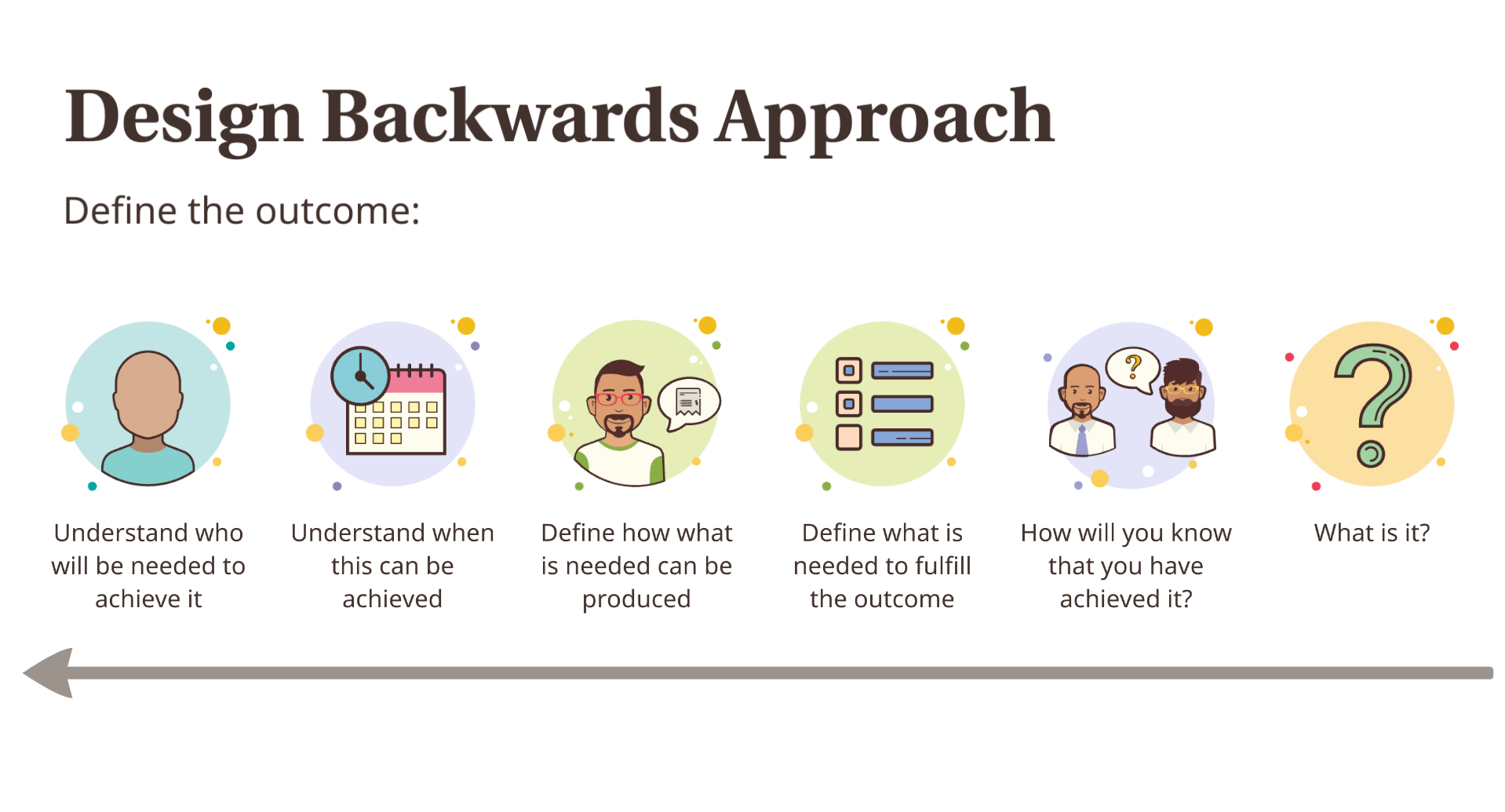
Il concetto può essere strettamente legato a quello di output > outcome > benefit del PRINCE2, proposto settimana scorsa.
La struttura che consiglio di dare all’interno dei capitolati informativi è tabellare, perché le tabelle nei capitolati piacciono un sacco. Partendo da destra:

  1. Main goal
    What is it that we need to achieve? (es: we need to reduce waste on site by 30%)
  2. Measurement of success
    How will we know that we will have achieved it? (es: how do we measure quantities on site and how do we compare measurements against estimates?)

  3. Output / outcome requirements
    What do we need in order to fulfil the outcome? (es: how will the estimate need to be organized?)
  4. Model structure / requirements
    How can we produce what is needed? (es: how do we need to structure the model in order to have an estimate organized as needed?)
  5. Time schedule
    When this can be achieved? (es: what is the time schedule in order to produce the model?)
  6. Team
    Who do we need? (es: who are the BIM Coordinator and the Project Manager?)
  7. Id
    Progressive number matching the information needs section


technology

On Mandatory Tutoring in the Office

A while ago, I was discussing with a good friend of mine, and we were talking about mandatory tutoring. You know? That situation when the company decides a group of people needs a certain skill, pays for a consultant to deliver the training, and then

Read More »
books and literature

Tracy Chevalier’s Remarkable Creatures

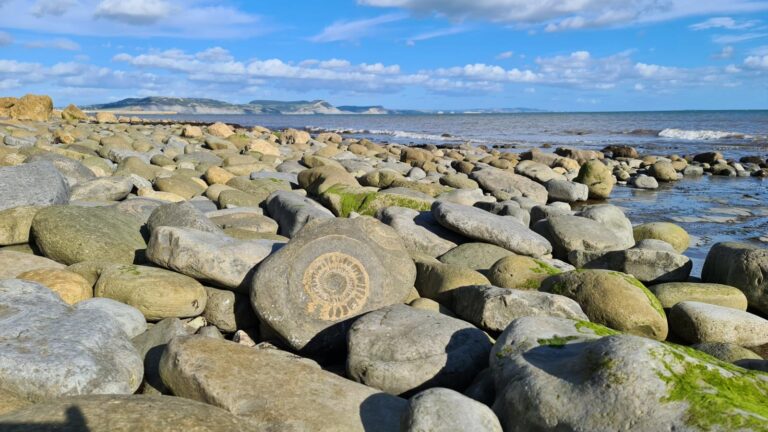
You might say that this is a historical novel about two pioneer women hunting for fossils on the famed beach of Lyme, one of them being paleontology legend Mary Anning and the other being the less famous fossil hunter and collector Elizabeth Philpot.You’d be wrong,

Read More »
books and literature

Cixin Liu’s Hold Up the Sky

This is a really splendid collection of stories, some shorter than other, and I wouldn’t have collected them this way: you have proper sci-fi stories and fairy tales, stories about science (with very little fiction), a story on coal mines and a war tale. But,

Read More »
Share on LinkedIn
Throw on Reddit
Roll on Tumblr
Mail it
No Comments

Post A Comment

This site uses Akismet to reduce spam. Learn how your comment data is processed.

RELATED POSTS

On Mandatory Tutoring in the Office

A while ago, I was discussing with a good friend of mine, and we were talking about mandatory tutoring. You know? That situation when the company decides a group of people needs a certain skill, pays for a consultant to deliver the training, and then

Read More

Tracy Chevalier’s Remarkable Creatures

You might say that this is a historical novel about two pioneer women hunting for fossils on the famed beach of Lyme, one of them being paleontology legend Mary Anning and the other being the less famous fossil hunter and collector Elizabeth Philpot.You’d be wrong,

Read More

Cixin Liu’s Hold Up the Sky

This is a really splendid collection of stories, some shorter than other, and I wouldn’t have collected them this way: you have proper sci-fi stories and fairy tales, stories about science (with very little fiction), a story on coal mines and a war tale. But,

Read More