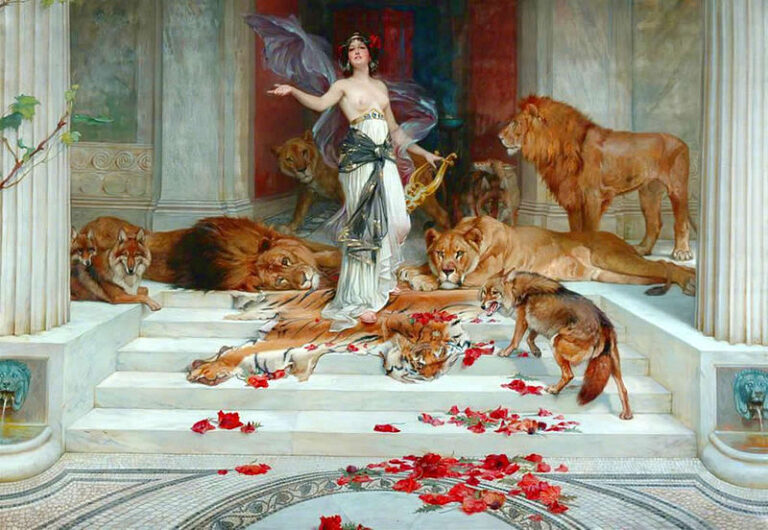
"All this he saw, for one moment breathless and intense, vivid on the morning sky; and still, as he looked, he lived; and still, as he lived, he wondered."

William Gibson – Il Neuromante

Ultimo lunedì prima di Natale: alleggerisco i miei consigli di lettura in vista del meritato riposo.
Uno dei romanzi di fantascienza che consiglio più spesso ai miei studenti è Il Neuromante di William Gibson, padre fondatore del genere cyberpunk. Si tratta del suo primo romanzo, nonché primo della cosiddetta trilogia dello sprawl, e ci racconta la storia di Henry Dorsett Case, un hacker che viene punito dal suo datore di lavoro con una tossina che gli danneggia il sistema nervoso, impedendogli di accedere allo spazio virtuale in cui ormai avviene la maggior parte delle interazioni.

«Cyberspazio: un’allucinazione vissuta consensualmente ogni giorno da miliardi di operatori legali, in ogni nazione […] Una rappresentazione grafica di dati ricavati dai banchi di ogni computer del sistema umano. Impensabile complessità. Linee di luce allineate nel non-spazio della mente, ammassi e costellazioni di dati. Come le luci di una città, che si allontanano…»

William Gibson,
Neuromante
1ª ed. originale: 1984
1ª ed. italiana: 1986

Digital twin, memoria collettiva, spazio virtuale e complessità delle informazioni. Oltre ad aver forgiato l’immaginario di fantascienza degli ultimi decenni, Gibson fa ciò che la fantascienza fa meglio, ovvero ci mostra il nostro mondo attraverso una lente, un vetro di distorsione il cui scopo è mostrarci meglio ciò che ci circonda o, nel caso di Gibson, cosa ci potrebbe circondare.

books and literature

Lolly Willowes

Sylvia Townsend Warner is one of the most interesting literary figures of the 21st century, and Lolly Willowes is one of her finest works, even more stunning if you think it was her debut novel. Self-supporting, intellectually independent, and consistently sceptical of social and religious

Read More »
books and literature

Fugitive Telemetry

This is book #6 in the Murderbot series (yes, I accidentally skipped #5, I’m circling back to that), and I’m afraid I didn’t like this as much as the others. The whole investigation felt a bit rushed and, though the final twist is interesting in

Read More »
architecture, engineering and construction

The Discipline of Inspiration: Valéry and the Algorithmic Mind

Paul Valéry rejected inspiration as miracle, seeing creativity as the discipline of thought in motion. This week, we parallel his notion of mental “operations” with computational procedures in design: iteration, optimisation, constraint, and recombination, and challenge the dichotomy between intuition and automation. Drawing on contemporary

Read More »
Share on LinkedIn
Throw on Reddit
Roll on Tumblr
Mail it
No Comments

Post A Comment

This site uses Akismet to reduce spam. Learn how your comment data is processed.

RELATED POSTS

Lolly Willowes

Sylvia Townsend Warner is one of the most interesting literary figures of the 21st century, and Lolly Willowes is one of her finest works, even more stunning if you think it was her debut novel. Self-supporting, intellectually independent, and consistently sceptical of social and religious

Read More

Fugitive Telemetry

This is book #6 in the Murderbot series (yes, I accidentally skipped #5, I’m circling back to that), and I’m afraid I didn’t like this as much as the others. The whole investigation felt a bit rushed and, though the final twist is interesting in

Read More

The Discipline of Inspiration: Valéry and the Algorithmic Mind

Paul Valéry rejected inspiration as miracle, seeing creativity as the discipline of thought in motion. This week, we parallel his notion of mental “operations” with computational procedures in design: iteration, optimisation, constraint, and recombination, and challenge the dichotomy between intuition and automation. Drawing on contemporary

Read More