
kyklàda.press is an independent, Athens-based publishing project founded in 2020 by artist David Bergé. It produces small books about the Aegean archipelago and the wider cultural, ecological, political, and material realities of island life, with a particular focus on what Mediterranean people have in common, regardless of political, and sometimes religious superstructures. Its current catalogue lists 13 titles, and I have four of them, but I got around to reading two so far: Urban Lament: Collective Expressions of Pain, Rage, and Affection; and (Forced) Movement: Across the Aegean Achipelago.
. Each book develops from a central theme and is usually made collectively by five or six contributors from different fields, including fiction, non-fiction, autobiography, photography, poetry. As such, contributors may include artists, writers, architects, geographers, researchers, and cultural practitioners. The books combine essays, visual material, experimental writing, documentary research, historical fragments, and embodied or autobiographical accounts.
In Urban Lament, the “Urban” aspect wasn’t particularly prominent, not in the sense I had intended; as such, this was less relevant to my craft than I initially had hoped. Still, it was a very interesting reading on contemporary practices of collective mourning as forms of empowerment and resistance.
When I was a youngster, my mother used to scold people who cried too much at funerals, saying they seemed praeficiae (Ancient Rome’s professional mourners). To her, a proud member of the Middle Class in Northern Italy, it was an undignified behaviour, as mourning should be a private matter. Getting older, I grew up disagreeing, on this and many other matters. This book, spanning from Greece to the Middle-East, reinforced how deeply Mediterranean this habit is, and the last essay from Perù reframed collective mourning for what it is: an act of sublime female resistance.
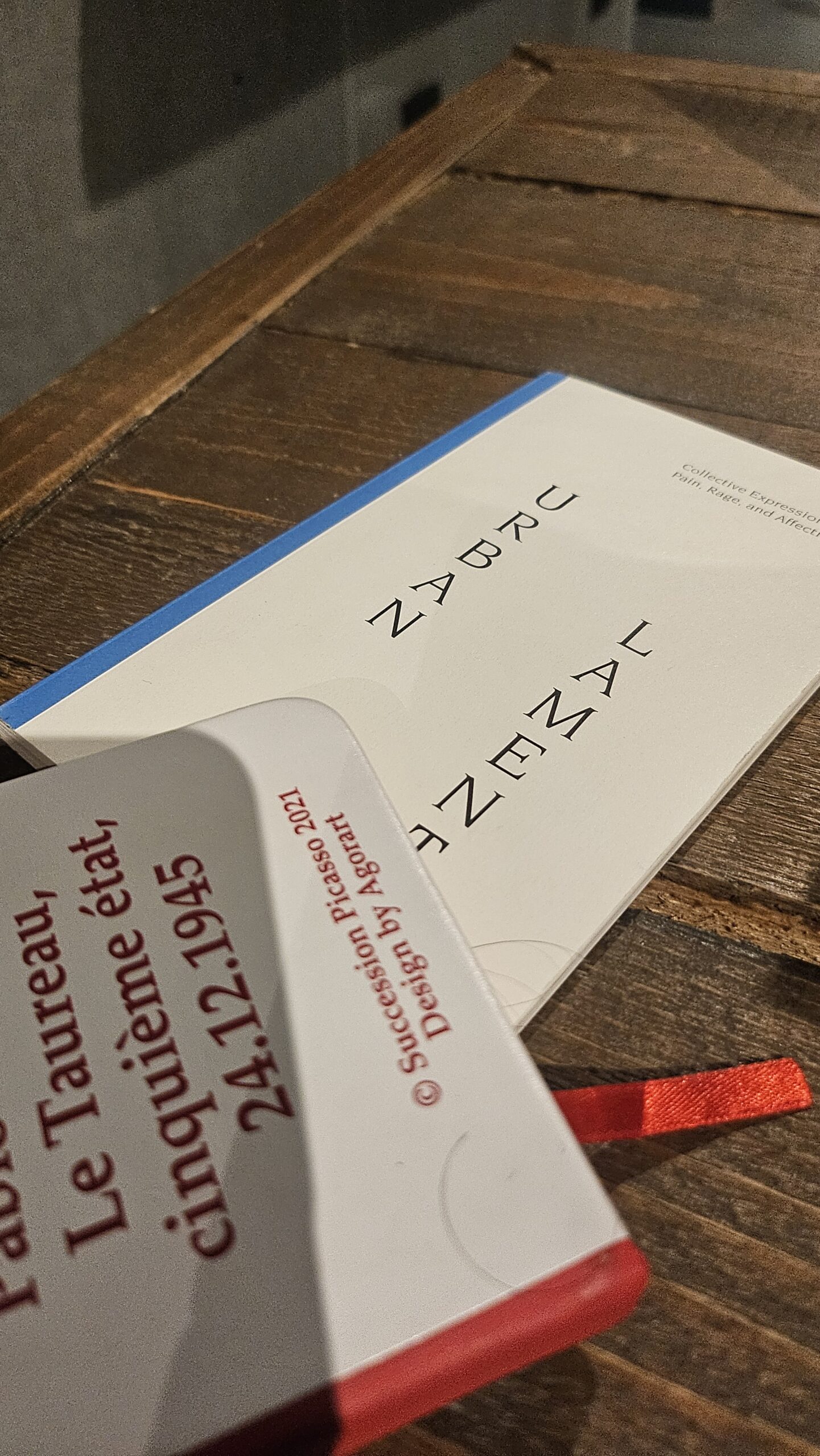
(Forced) Movement is a very interesting set of pamphlets on the concept of migration, displacement and refugees, spanning from Aeschylus’ Suppliants and Socrates talking to “resident aliens” in Athens, to contemporary stories. As usual, it’s a mix of fiction, poetry, and non-fiction, a trademark of this publisher.
Both extremely recommended.




No Comments