
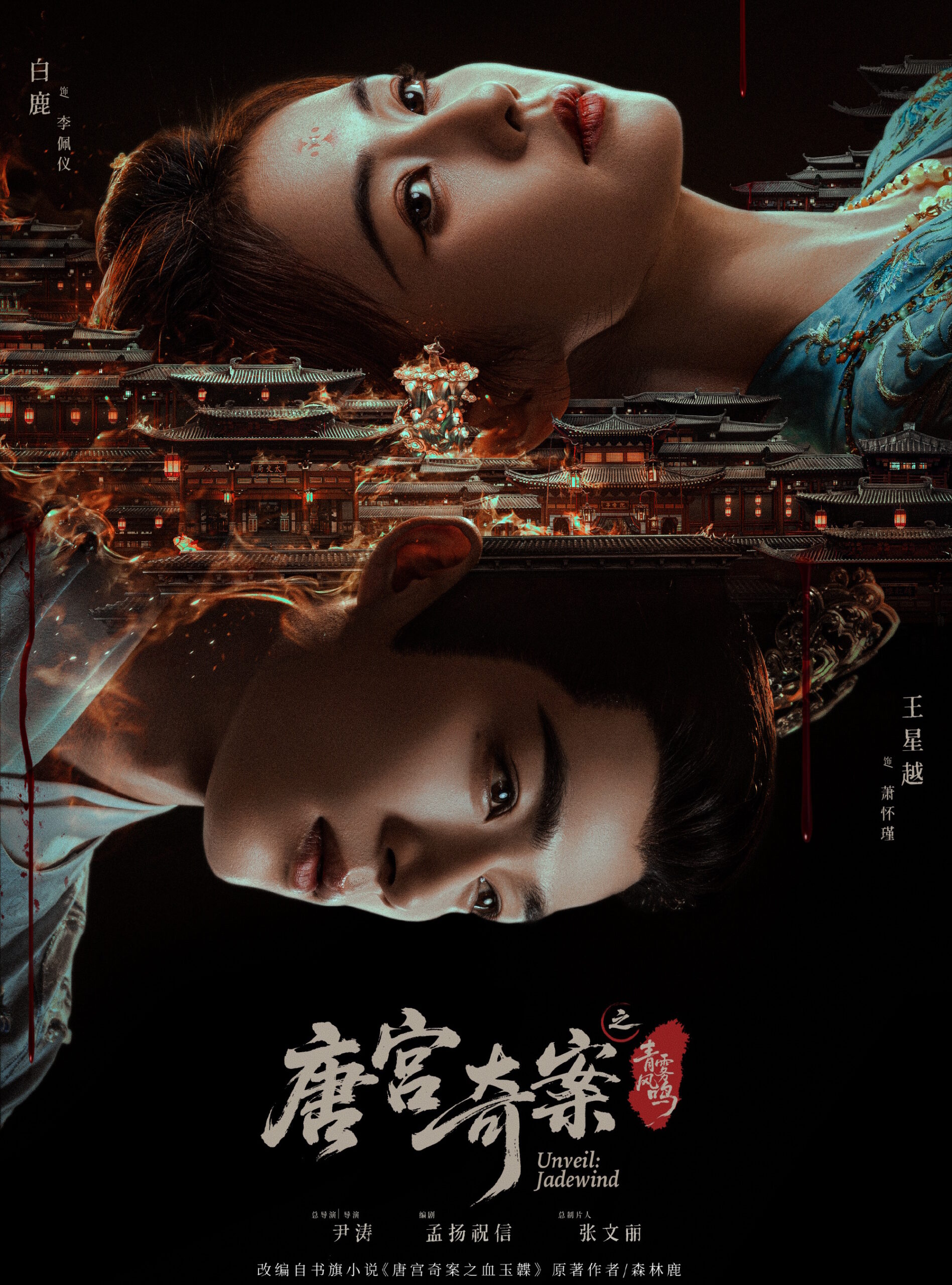
Well, I did something unusual: I watched a Chinese TV series that has no English dubbing, just subtitles. Which makes it hard to do it while I work because I have to pay more attention to the subtitles, but I guess it’s useful to hone my multitasking skills (which is basically ADHD survival).
The series is titled Unveil: Jadewind, and it’s a period drama set in the Imperial Palace during the Tang Dynasty (the Jade of the title, as far as I understand it): the plot revolves around the unruly County Princess Li Peiyi, who was raised by the Emperor’s favourite consort after her father allegedly went mad and killed his whole household. She’s head of the investigation bureau, solving cases that often have to do with inequalities and injustice in the palace, and she crosses paths with Xiao Huaijin, Deputy Director of the Astronomical Bureau, and they investigate together. Which makes sense because many cases have to deal with star-based superstition. Including, as it turns out, the obscure plot that led to the assassination of Li Peiyi’s parents and the wrongful disgrace of their memories.
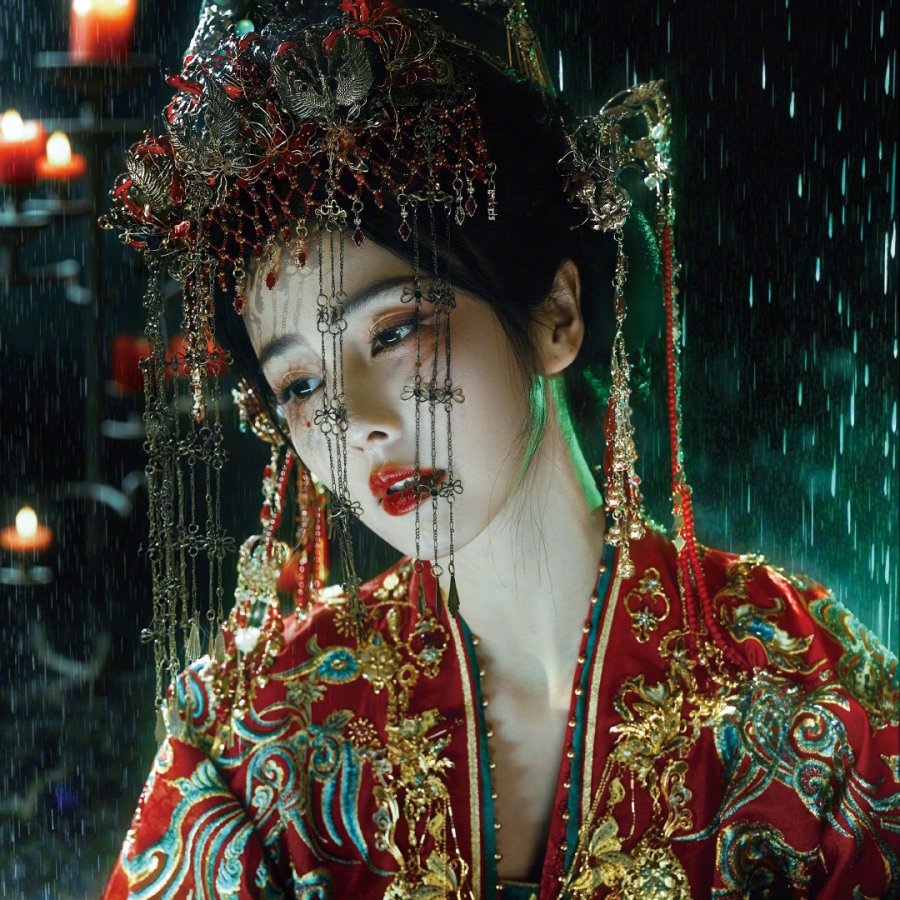
If you know me, you know I like a good balance of self-standing episodes and the overarching plot, and this series provides it, alongside a luxurious production, amazing costumes, a stunning architectural set, and the martial battles choreographies that I’ve always loved. The music might be a bit over the top and I really can’t comment on the acting, not speaking Chinese and all, the CGI animals are something to behold (not in a good way), but I’m still very glad I made the experiment of watching something like this. There’s so much world out there, that we can’t limit ourselves anymore.




1 Comment
Pingback:Shelidon | The East Palace
Posted at 07:00h, 05 September[…] dynasty and the palace don’t exist, and yet the show positions itself in the same trace as Jadewind: royalty sucks, the Emperor’s an asshole, innocent suffer for no reason, except this time […]