
Francis Ponge, a French poet mostly concentrated on everyday objects, wrote Le Parti pris des choses in seclusion during the German occupation of France, and published it in 1942. The title is usually translated into English as Taking the Side of Things (or The Nature of Things), and you have to admire him for publishing such a work at more or less the worst possible moment to devote thirty-two short prose pieces to oysters, soap, cigarettes, raw meat, a snail, and a wooden shipping crate. It’s easy to read this kind of close, patient attention to ordinary things as a form of escapism, a poet looking away from history toward something smaller and safer. I don’t think that’s what’s happening. Ponge’s method, applied under occupation, reads more like a determination to observe sharply and describe exactly what you see, at a moment when almost everything in public language was being deliberately opaque, propagandistic and imprecise.

The method itself is stated almost like a manifesto, in the title’s own pun: parti pris des choses, “taking the side/part of things,” which Ponge glossed elsewhere as being inseparable from compte tenu des mots, “taking account of words“, in exact measure. The two acts need to happen together or neither one works. You owe the object total fidelity to what it actually is, not what it symbolises or what mood it puts you in; and you owe words the same fidelity, choosing them for their precise weight and history, not for the easiest available metaphor. Ponge himself put the working principle simply: “a mind in search of ideas should first stock up on appearances.” Look first. Describe exactly. Let the thinking come after, if it comes at all. This is why I think it’s highly improper to group Ponge together with Eugenio Montale, who wrote poems on everyday objects but was using them as metaphors.
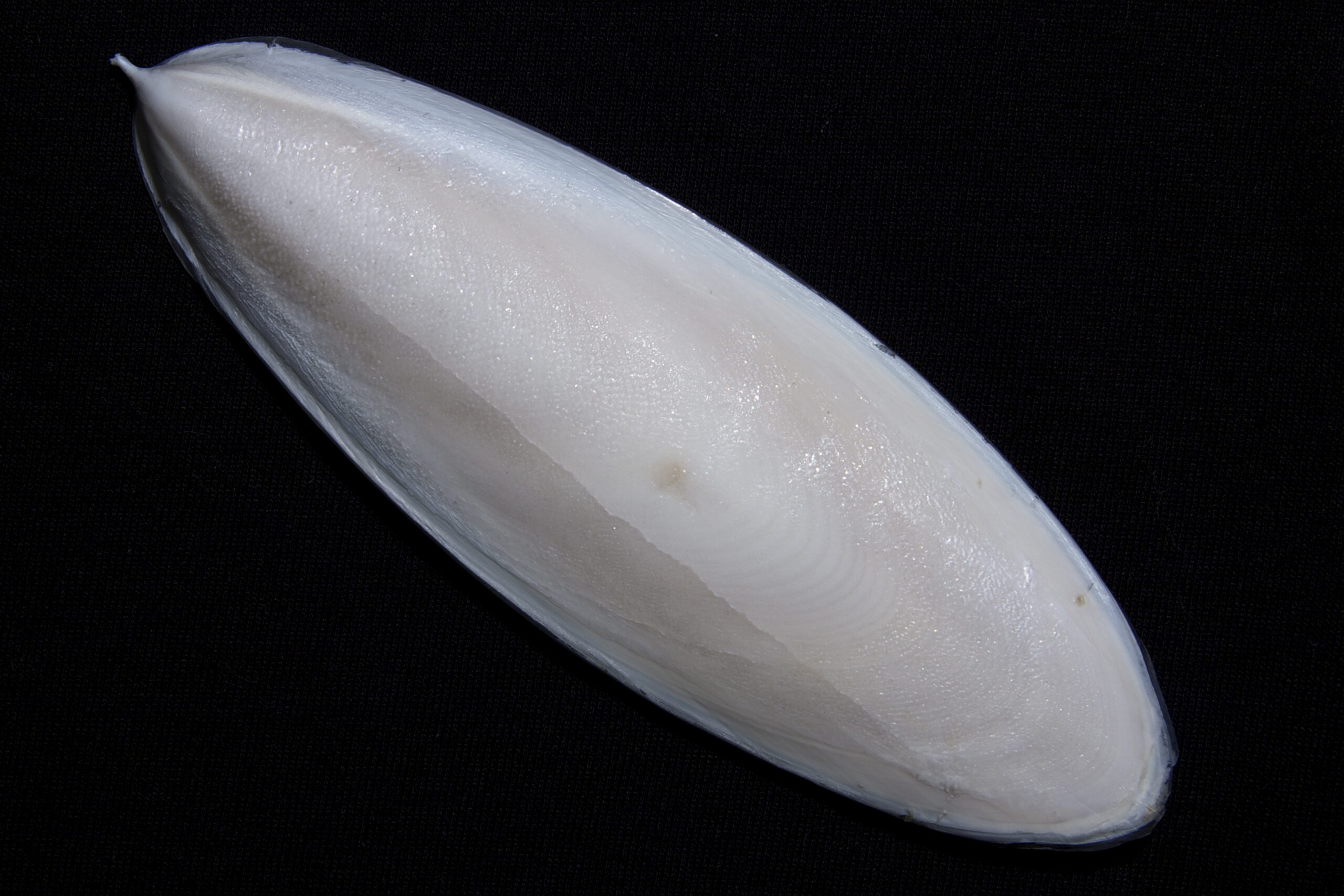
Among Ponge’s objects, the oyster gets the fullest unsentimental treatment: he gives you the shell as “a small world” shut under its own stubborn “firmament,” something you break your fingernails trying to open, clinically describing the rare pearl inside as a kind of accidental formula the creature happens to produce. Precision is a form of respect. The oyster is not made to stand for anything: it’s exactly and only itself, rendered in language exact enough that the description could not be swapped onto a mussel or a clam.
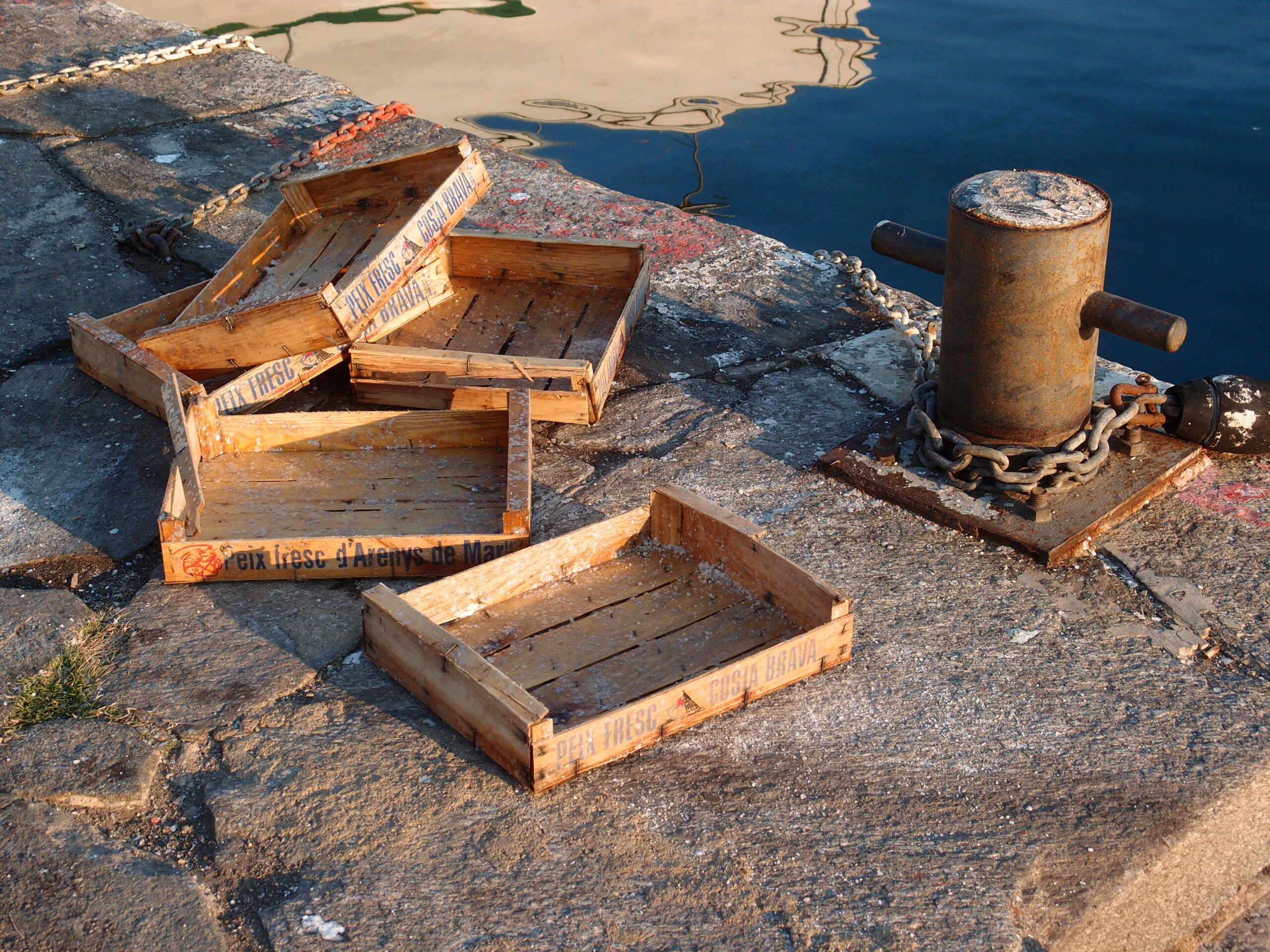
The piece that belongs on an architect’s desk, though, is the one on the crate — le cageot — a cheap wooden shipping container built to be broken open once and thrown away, the least dignified object in the whole collection. Ponge gives it the same attention he gives the oyster: its slatted construction, its function as “a cage” for fruit, the fact that its entire design logic is calibrated toward exactly one use and then immediate disposal, and that this disposability is its whole point. Ponge writes on the grounds that a thing engineered for a single honest purpose, however humble, deserves exactly the same attentiveness as a thing built to last a century.
This is food for thoughts in a discipline that spends most of its professional attention on the parts of a project pretending to be permanent, photographed, and remembered, and almost none on the temporary architecture that every building depends on to exist at all: the formwork, the scaffolding, the packing crates the materials arrive in, the site hoarding that comes down the day the ribbon gets cut. These are designed objects too, calibrated to a real purpose, and they get essentially none of the disciplinary attention Ponge is willing to give a piece of packaging. Precision of attention shouldn’t be rationed out according to how long an object is going to last.


No Comments