
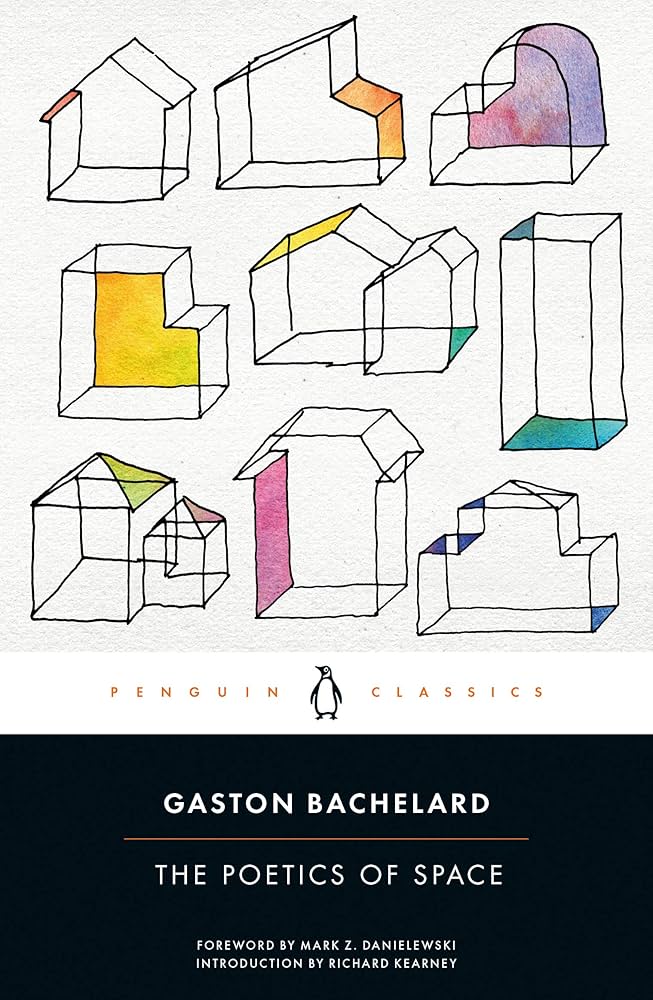
Gaston Bachelard‘s Poetics of Space is the book that gives this week its title, and its central claim, that the house is our first universe, a cosmos before we know the word, is seductive enough that it’s worth resisting for a moment. You know the book if you’ve been following the blog for a while, I think. Bachelard’s rooms are rooms with character: the attic where reason lives, the cellar where irrational fears burrow, the whole house organised like a diagram of the psyche. It is a beautiful architecture of memory. It is also, I’d argue, a slightly rigged one, because Bachelard is describing the house from the position of someone who was allowed to daydream in all of its rooms. Not everyone in a house gets that privilege, and not every room agrees to be remembered so generously. This week’s other three texts spend their time exactly where Bachelard doesn’t look, and what they find there complicates his universe considerably.
We can start in the basement, like Virginia Woolf. In Great Men’s Houses, a non-fiction piece written for, of all places, the Good Housekeeping magazine in 1932, Woolf visits Jane and Thomas Carlyle’s house in Cheyne Row expecting, like every previous biographer, to find the meaning of the place upstairs, in the study where the great couple wrote. Instead, she goes down into the kitchen and discovers that the house had no piped water at all, that every drop the fastidiously clean Carlyles used had to be pumped by hand from a well by the kitchen stove, a fact she points out had escaped the attention of Froude, Carlyle’s own biographer, despite its incalculable importance. Every hot bath meant a maid pumping water, boiling it, and carrying it up three flights of stairs from the basement. Woolf’s conclusion is not sentimental. She calls the house “not so much a dwelling place as a battlefield,” and means it literally: a daily war fought by women against dirt and cold, waged in a building whose upper floors housed genius and whose lower floor supplied, at enormous physical cost, the water that made genius possible. The house’s real narrator, in Woolf’s account, was never Carlyle groaning over his history upstairs. It was the water pump.
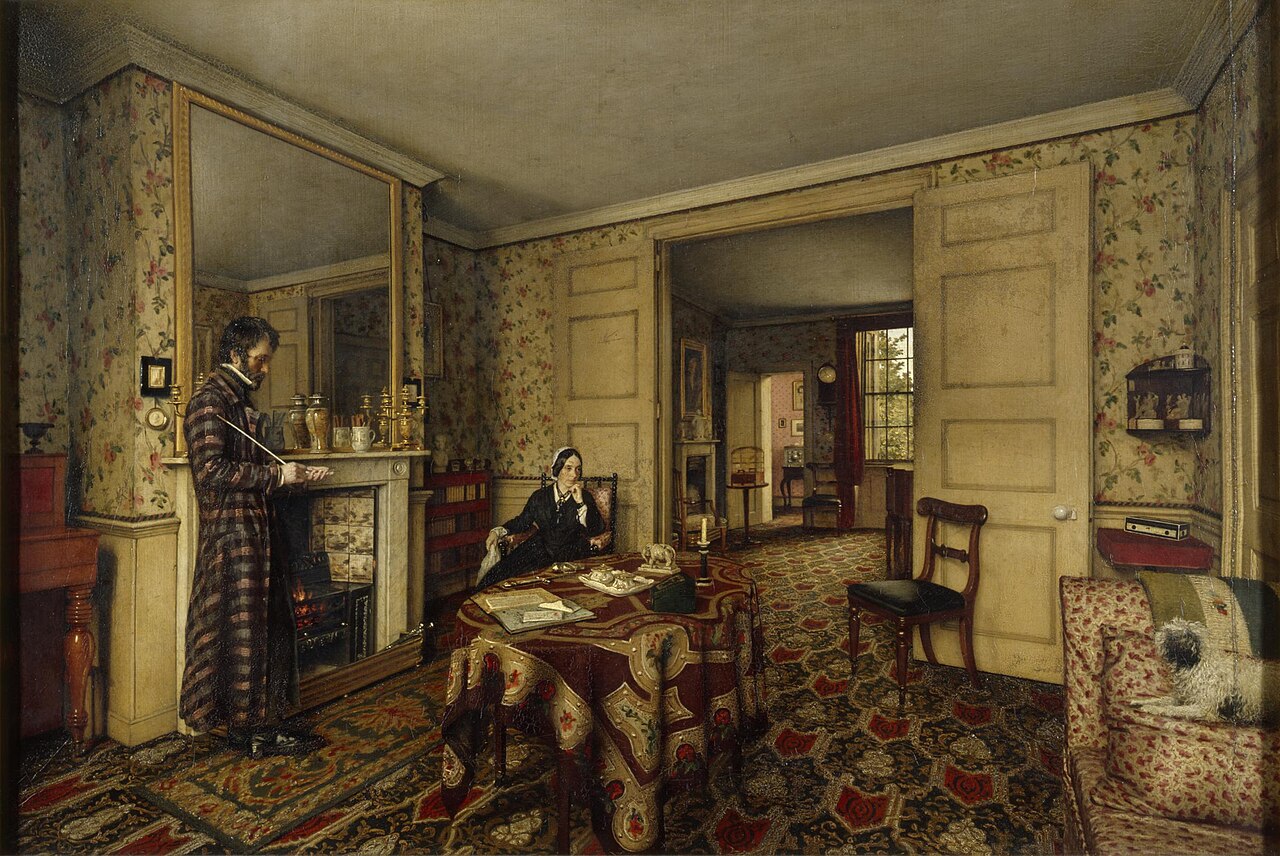
Woolf is making the case that a house’s true structure is legible only if you go looking in the room the biographers skip, and that the room they skip is invariably the one where the actual labour of running the house happened. Nobody wrote Carlyle’s biography from the kitchen, because the kitchen wasn’t where the Great Man was. But the kitchen is where the house was, in the sense that mattered daily, hourly, and it took a woman with no professional stake in Carlyle’s reputation to notice that the entire architecture of the place, however you drew it on paper, was organised around a labour route from well to bathtub that no floor plan of the period would have bothered to mark.
Clarice Lispector, a century-adjacent world away in a São Paulo apartment, finds almost exactly the same
room and does something even stranger with it. In The Passion According to G.H., as we saw earlier this week, her narrator goes to clean the maid’s room after the maid has left — the small, whitewashed, barely-furnished room every apartment of a certain size allocates and no plan of that apartment ever really designs, only positions — and instead of finding the labour Woolf found, she finds an emptiness so total it dismantles her. No water to pump, here: the room has already been stripped of its one occupant, and what’s left behind is a charcoal drawing on the wall, a wardrobe, a cockroach.
Where Woolf shows us the service room as the site of unacknowledged labour, Lispector shows us the same room, emptied of its person, as the site of unacknowledged conscience. Both writers are pointing at the identical blind spot on the drawing: the room allocated to whoever keeps the house running, rendered on paper as a footprint and a door swing, never as a place where a life, or an unravelling, might actually happen.
And then there’s the fourth wall Marina Tsvetaeva won’t vouch for. An Attempt at a Room, her 1926 poem built out of Pasternak’s dream of a hotel room, is the one text this week that isn’t about a room’s labour or its emptiness, but about the sheer unreliability of claiming to know any room at all, including the ones we think we remember perfectly. Three walls, she can confirm. The fourth, she admits, might not have been there, or might have been there and gone unnoticed, and rather than paper over the gap the way memory usually does, she leaves the hole visible in the poem. It’s a small, devastating rebuttal to Bachelard’s entire method.
Bachelard assumes the rooms of memory are basically trustworthy, that the daydream, however embellished, is at least structurally sound.
Tsvetaeva is the poet standing in the room who’s not sure the room had four walls, and who refuses to invent the fourth one just because rooms are conventionally supposed to have one.
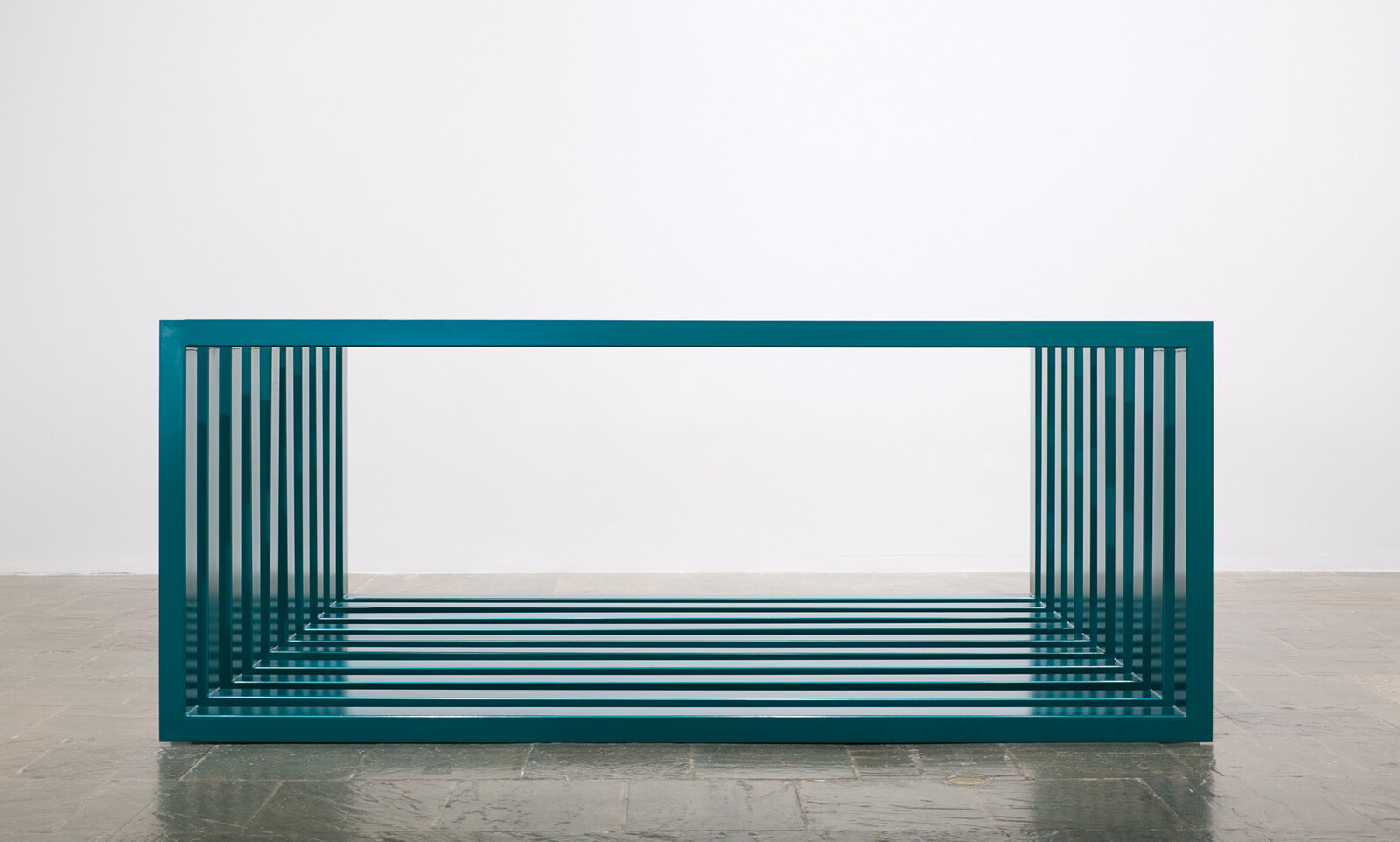
Put these three next to Bachelard’s cellar-and-attic logic, and the universe of the room starts to look less like a stable cosmos and more like a site under permanent, partial excavation. So maybe take a look around, at the room you’re in, and try to understand what it says about the whole house, about yourself, about your universe and the way your personal planets revolve around their stars. and the next time you design a room, apply the same logic. See where it leads you.
Bonus read: Uketsu and his Strange Buildings trilogy.





No Comments