"All this he saw, for one moment breathless and intense, vivid on the morning sky; and still, as he looked, he lived; and still, as he lived, he wondered."

The Tales of Old Miura

The Tales of Old Miura (I racconti del vecchio Miura), published in Italy by Lindau, brings together short stories by Kidō Okamoto (1872–1939), a Japanese playwright and novelist best remembered for his contribution to kabuki theater and historical fiction.

Born in Tokyo during the Meiji era, Okamoto lived through Japan’s transition into modernity. He is best known for his detective fiction The Curious Casebook of Inspector Hanshichi and for Shuzenji Monogatari (The Mask Maker), a kabuki play still performed today, but his wider body of work — including novels, essays, and short stories — explores the conflict between individual desire and social duty.

In The Tales of Old Miura, this theme is distilled into concise episodes that reflect the values and anxieties of early 20th-century Japan. For today’s readers, the appeal lies less in plot than in the cultural insight these stories provide, offering a window into concepts of honor, dignity, and responsibility that shaped Japanese society.

The collection centers on characters undone by their obsessions, most often with art, occasionally with something as trivial as soy sauce. The ideas behind the stories are striking, and the prose is fluid, but the narratives tend to end abruptly, without the dramatic tension or resolution a modern reader might expect. They function less as entertainment and more as literary curiosities, fragments from a cultural world where passion could be both defining and destructive.

This collection is unlikely to satisfy those looking for gripping drama or neatly structured storytelling. Its value lies instead in the perspective it offers on the moral imagination of its time. Kidō Okamoto may not be as celebrated internationally as some of his contemporaries, but his work remains an evocative record of how literature once grappled with the destructive power of obsession.
movies and tv

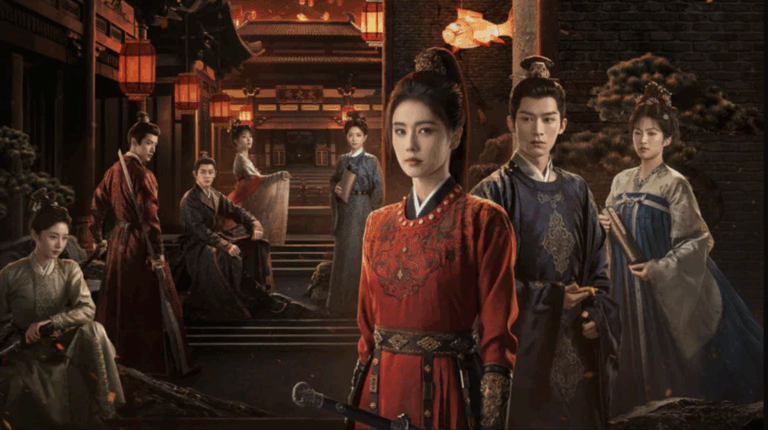
Unveil: Jadewind

Well, I did something unusual: I watched a Chinese TV series that has no English dubbing, just subtitles. Which makes it hard to do it while I work because I have to pay more attention to the subtitles, but I guess it’s useful to hone

Read More »
books and literature

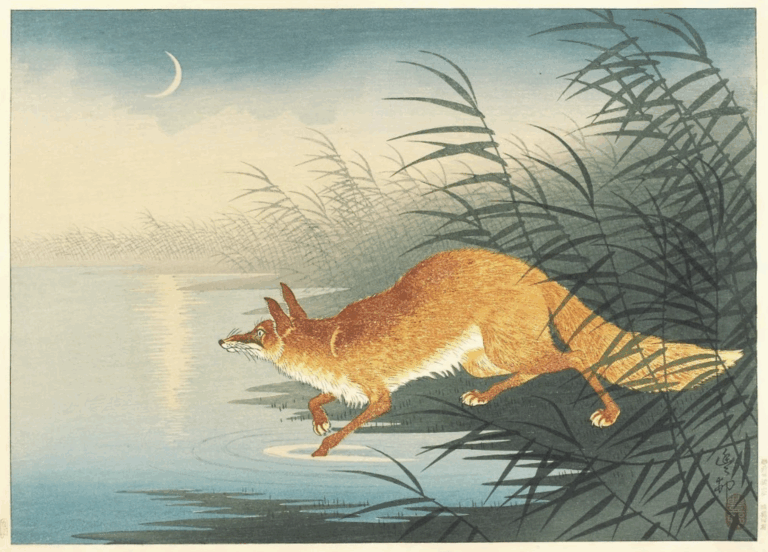
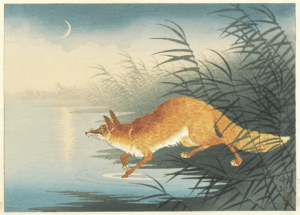
Fox Friday: The Fox by D.H. Lawrence

The two girls were usually known by their surnames, Banford and March. They had taken the farm together, intending to work it all by themselves: that is, they were going to rear chickens, make a living by poultry, and add to this by keeping a

Read More »
architecture, engineering and construction

Who EIRs the EIR?

There’s a game I’d like to play (queue The Cranberries): take two EIRs from the last month, any project really, and delete project name and phase. Then place them in front of somebody else and ask them to guess. Which kind of project? Is it

Read More »
Share on LinkedIn
Throw on Reddit
Roll on Tumblr
Mail it
No Comments

Post A Comment

This site uses Akismet to reduce spam. Learn how your comment data is processed.

RELATED POSTS

Unveil: Jadewind

Well, I did something unusual: I watched a Chinese TV series that has no English dubbing, just subtitles. Which makes it hard to do it while I work because I have to pay more attention to the subtitles, but I guess it’s useful to hone

Read More

Fox Friday: The Fox by D.H. Lawrence

The two girls were usually known by their surnames, Banford and March. They had taken the farm together, intending to work it all by themselves: that is, they were going to rear chickens, make a living by poultry, and add to this by keeping a

Read More

Who EIRs the EIR?

There’s a game I’d like to play (queue The Cranberries): take two EIRs from the last month, any project really, and delete project name and phase. Then place them in front of somebody else and ask them to guess. Which kind of project? Is it

Read More