"All this he saw, for one moment breathless and intense, vivid on the morning sky; and still, as he looked, he lived; and still, as he lived, he wondered."

The Queen of Darkness

Another rejection, another batch of pages for my Patrons to read, and this time it’s an original translation of two short, magical tales by Grazia Deledda.

Grazia Deledda was an Italian novelist, born on September 27, 1871, in Nuoro, Sardinia, and the only Italian woman to receive the Nobel Prize for literature.

She grew up in a rural environment, deeply influenced by the traditions and culture of her native land, and many of her writings revolve around a keen observation of the psychological nuances imprinted by local customs and by the often harsh way of life.

In describing rural life, poverty, and the struggles of Sardinian women within the traditional patriarchal society, she’ll never be as patronising as her contemporary Sicilian writer Giovanni Verga nor of the equally Sicilian Pirandello, who would hate (and fear her) fiercely, up to the point of writing a whole theatre piece to belittle her in the most private sphere as a woman and a wife. And people ask me why I hate the guy.

She’s often labelled as a non-feminist writer, because many of her heroines are lacking autonomy and energy, and yet one of the two short stories I give you is about a woman who… well, you’ll see.
They come from two different collections: “By Night” (original title: “Di notte”) is the first novel in her collection Sardinian Tales (Racconti sardi), published in 1894, while “The Queen of Darkness” (original title: “La Regina delle Tenebre”) was published autonomously in 1902. They both reek a sort of magical realism, where the supernatural is there only if you want to see it. Is the woman an enchantress? Is the man cursed or just an asshole? What’s Maria Magda’s deal?

Enjoy.

As usual, the translation is my own and I’m not a professional translator: I’m sure you’ll find much better renditions out there.

 

architecture, engineering and construction

You said the same about BIM

Last week I wrote a post about the anxiety many sectors are feeling in the face of AI, and about integrity as a tool to approach the technological shift we’re undergoing. It was a good post. I’m happy about that post. Some people reached out,

Read More »
books and literature

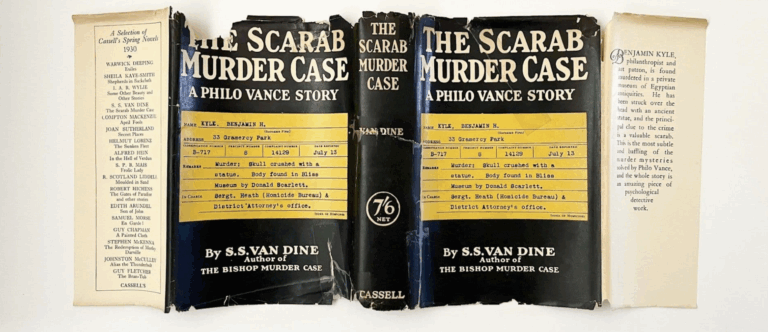
S.S. Van Dine’s The Scarab Murder

S.S. Van Dine was the pen name of Willard Huntington Wright (1888–1939), an art critic, editor, and novelist from the US who created Philo Vance, apparently one of the defining amateur detectives of the Golden Age of detective fiction. The Vance series ran to twelve

Read More »
books and literature

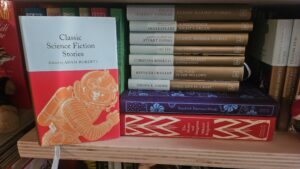
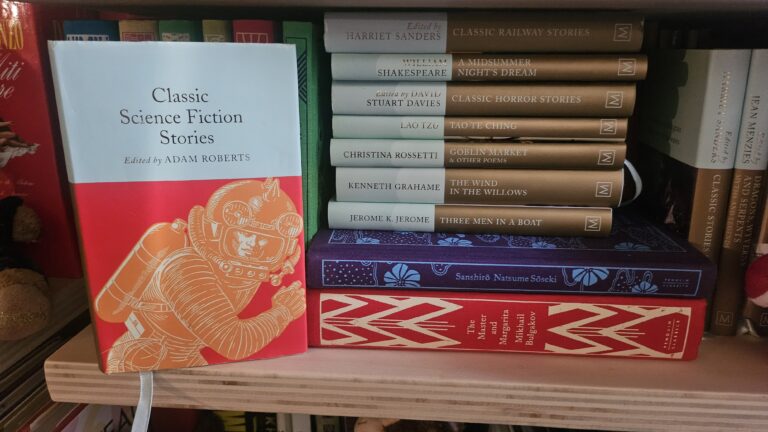
Classic Science Fiction Stories

This is the third collection I read from these charming little light-blue books with the golden pages, and they’re uneven at best. Once again, as such, I have mixed feelings about this collection and I’ll have to proceed scientifically to give a rating, so here

Read More »
Share on LinkedIn
Throw on Reddit
Roll on Tumblr
Mail it
No Comments

Post A Comment

This site uses Akismet to reduce spam. Learn how your comment data is processed.

RELATED POSTS

You said the same about BIM

Last week I wrote a post about the anxiety many sectors are feeling in the face of AI, and about integrity as a tool to approach the technological shift we’re undergoing. It was a good post. I’m happy about that post. Some people reached out,

Read More

S.S. Van Dine’s The Scarab Murder

S.S. Van Dine was the pen name of Willard Huntington Wright (1888–1939), an art critic, editor, and novelist from the US who created Philo Vance, apparently one of the defining amateur detectives of the Golden Age of detective fiction. The Vance series ran to twelve

Read More

Classic Science Fiction Stories

This is the third collection I read from these charming little light-blue books with the golden pages, and they’re uneven at best. Once again, as such, I have mixed feelings about this collection and I’ll have to proceed scientifically to give a rating, so here

Read More