
Welcome back to the normal state of things, and I hope you had a splendid winter holiday. This week, we kick off in grand style by proposing a vision of the contemporary city as a porous collective where human and nonhuman actors participate in shared negotiations of space. Drawing on Richard Sennett’s “open city” as a model of incomplete, adaptive urban form, and Bruno Latour’s “parliament of things” as a model of distributed agency, it reimagines urban design as a process of political ecology. Streets, infrastructures, and ecosystems become stages of deliberation rather than control. As usual, we’ll argue for a design ethics based on listening, slowness, and permeability rather than mastery.
Enjoy!
Introduction – The City as an Incomplete Conversation
1.1 The Myth of the Total Plan: from Modernist Closure to Open Form
Throughout the twentieth century, modern urbanism was animated by the dream of completeness and by this idea that the city could be designed as a coherent totality, a machine for living whose every part could be rationally planned, measured, and controlled. From Le Corbusier’s Ville Radieuse (fuck him) to the functionalist zoning diagrams of CIAM, this myth of the “total plan” promised order where the messy complexity of life seemed to resist it. Yet in its pursuit of clarity, it produced sterility and places worthy of a Fallout DLC.
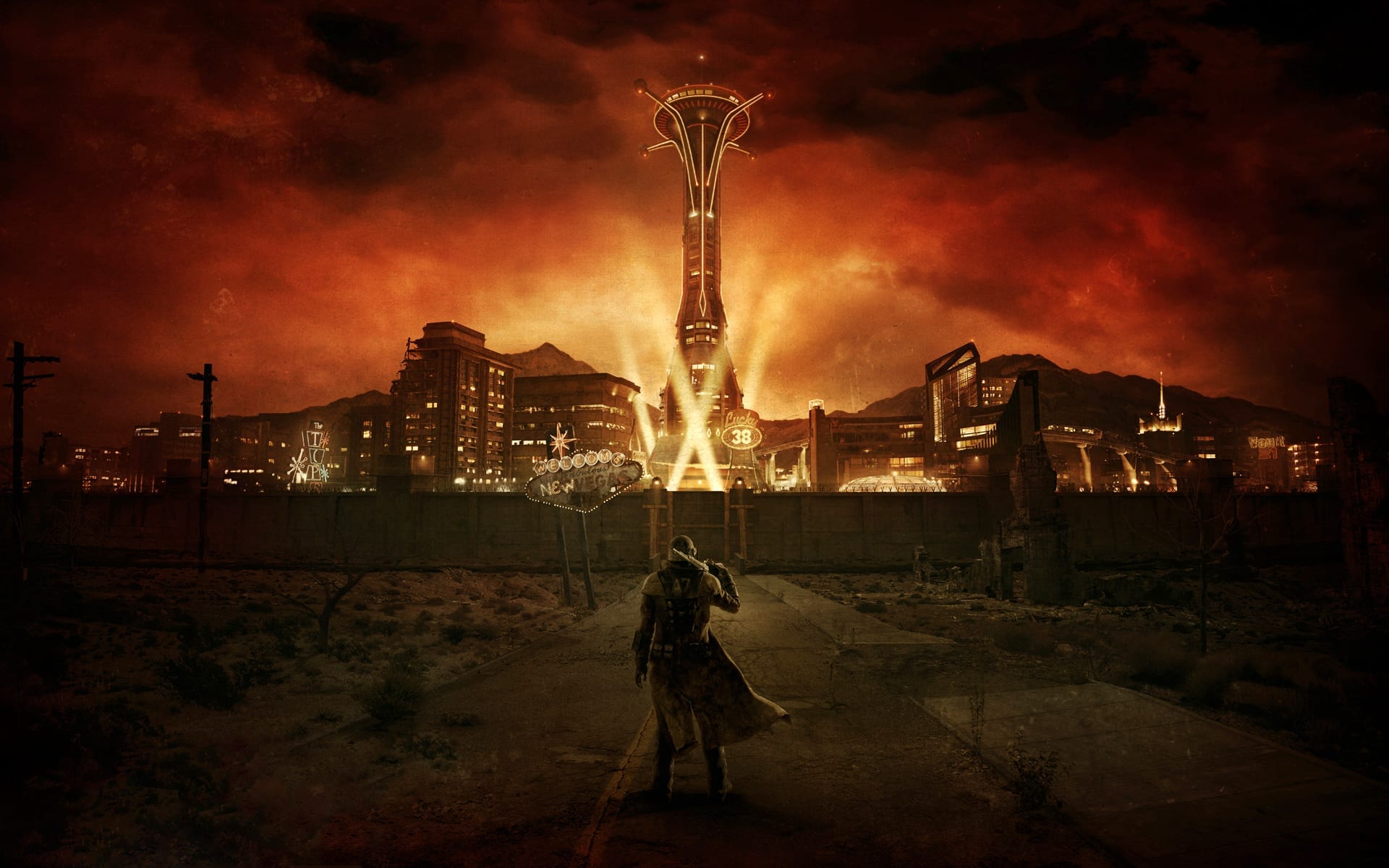
By the mid-century, urbanists and philosophers started to see the cracks in this vision. Jane Jacobs’s The Death and Life of Great American Cities was amongst the first to offer a counterpoint to that view: the city not as a mechanical system but as a living organism, sustained by glorious improvisation, diversity, and small acts of coordination among strangers. The tension between order and openness thus became the central drama of modern urban thought. Jacobs exposed how closure kills vitality; yet the planning discipline, seeking legibility and control, continued to mistake life for noise to be suppressed.
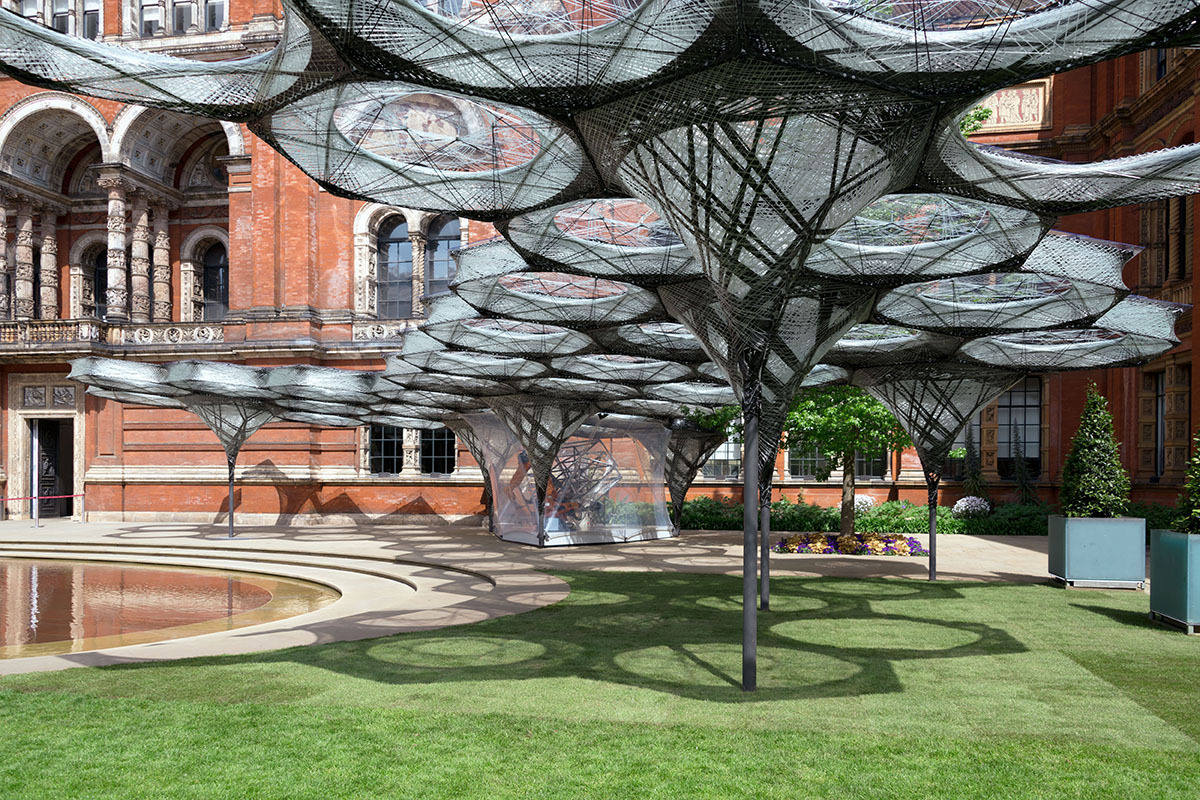
The failure of total design, from the tabula rasa of postwar reconstruction to the technocratic ambitions of the smart city, invites a different question: how can designers conceive of urbanism not as an act of closure but of ongoing composition? Can we cope with a city that’s a work always unfinished, always open to negotiation?
In the following sections, we’ll proceed through what might be called ecological hermeneutics: reading the city as an assembly rather than an artefact. Drawing on Latour’s actor-network theory, we’ll interpret streets, buildings, and systems as participants in an ongoing negotiation of coexistence. Following Sennett, we’ll approach form as an open text to be inhabited, misread, and rewritten.
The method is neither purely sociological nor purely aesthetic. It is a way of tracing relationships between people and pavements, codes and climates, laws and materials. By situating human practices within the broader parliament of urban things, we seek to articulate an ethics of permeability, and an understanding of design not as mastery over matter but as conversation with it.
Key references: Richard Sennett‘s “Open City” (available here); Bruno Latour‘s parliament of things, introduced in We Have Never Been Modern (1991); Jane Jacobs, The Death and Life of Great American Cities (1961); Hannah Arendt, The Human Condition (1998).
Further Readings: The Parliament of Things; “The Parliament of Things and the Anthropocene: How to Listen to ‘Quasi-Objects’” by Massimiliano Simons in Techné: Research in Philosophy and Technology (2017)
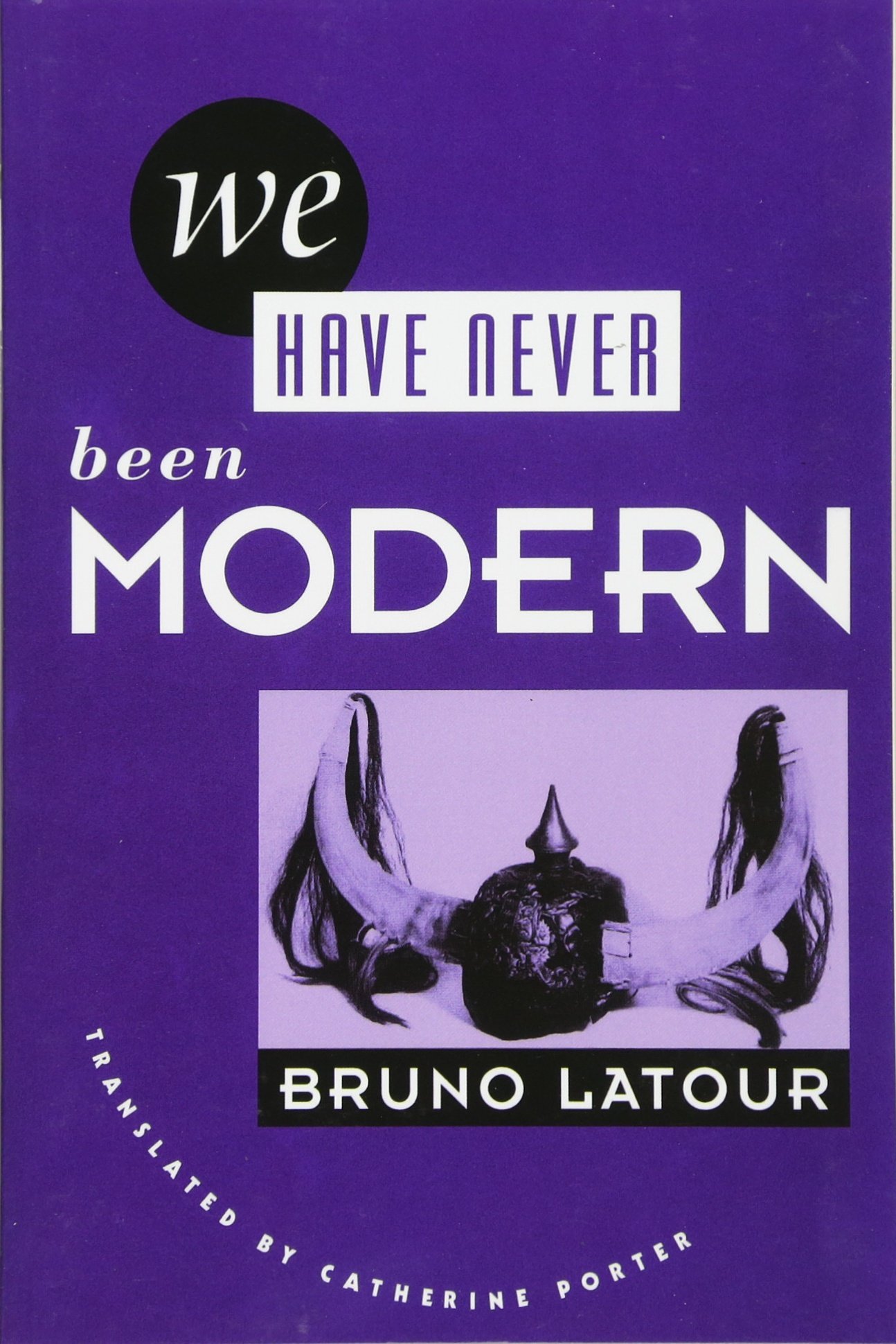
1.2 Introducing Sennett’s Open City and Latour’s Parliament of Things
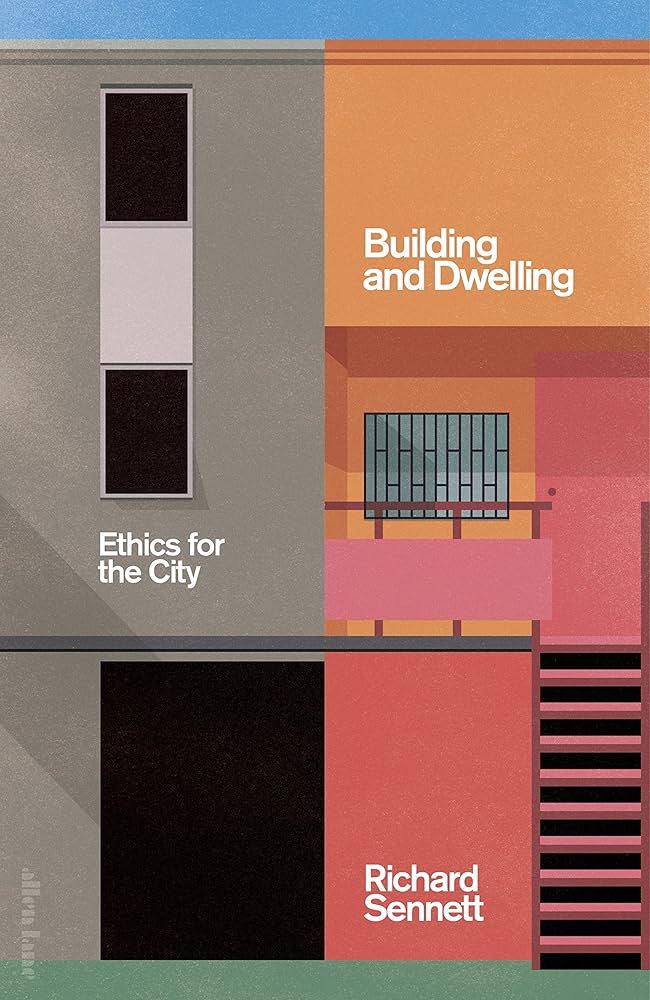
Richard Sennett’s notion of the open city, elaborated in The Uses of Disorder (1970) and Building and Dwelling (2018), arises precisely from this desire to reclaim incompleteness as an urban virtue. For Sennett, the open city is porous, adaptive, and tolerant of ambiguity; it resists the tendency to over-design or over-explain, leaving room for citizens to rightfully appropriate, reinterpret, and co-author its spaces. Where the closed city seeks harmony through control, the open city cultivates vitality through friction and thrives on differences.
Bruno Latour’s parliament of things offers a parallel challenge, but at another scale. Where Sennett reimagines the city as socially open, Latour redefines politics itself as materially open. In Politics of Nature and We Have Never Been Modern, Latour dismantles the divide between human subjects and nonhuman objects that underpins modern thought. He calls for a “parliament” where not only people but things — rivers, infrastructures, species, data systems — are recognised as political actors, with stakes and voices in the shaping of the common world.
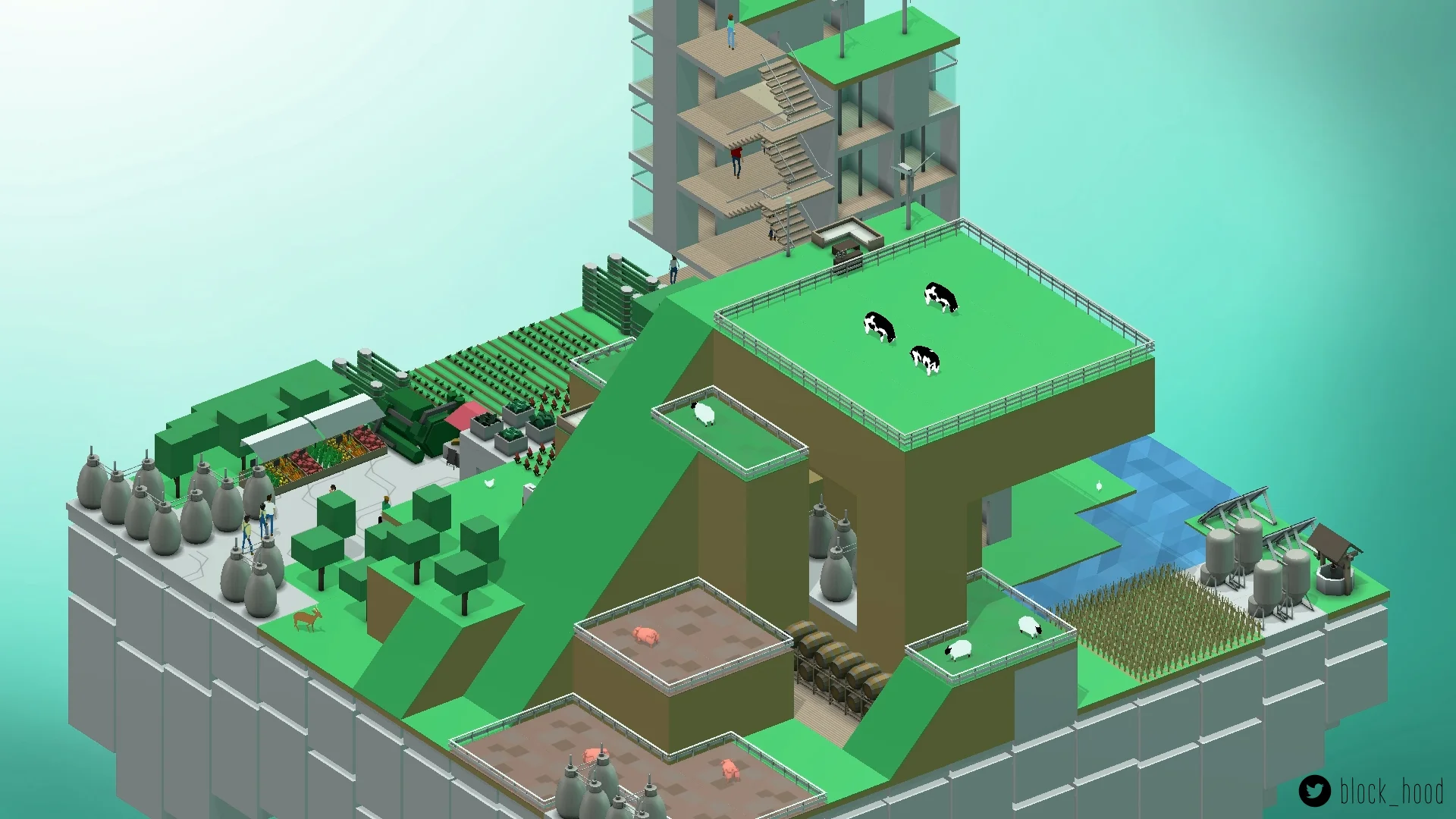
In bringing Sennett and Latour together, I’m suggesting a synthesis: if the open city welcomes social multiplicity, the parliament of things demands the same multiplicity at an ecological level. Both imagine a civic space where authority is decentralised, which of course is something I like, and meaning emerges through negotiation rather than decree. The contemporary metropolis, seen through their combined lens, becomes less a machine or a market than an assembly and a living forum, in which human and nonhuman agents continuously deliberate on how to inhabit the Earth together.
1.3 The Porous Polis: Toward a Political Ecology of Design
The porous polis emerges at the intersection of these two visions: an urban condition that is not only socially open but materially permeable. Porosity here is more than a metaphor. It describes the physical permeability of the built environment — the mingling of air, water, and bodies across thresholds — but also the conceptual permeability of institutions and disciplines. A porous polis recognises that urban life is constituted by flows that defy rigid boundaries: between architecture and infrastructure, between nature and culture, between citizens and the things that sustain them.
This political ecology of design calls for a reorientation of the designer’s role. No longer the author of closed forms, as we’ve been seeing from different angles, the architect becomes a mediator within an evolving ecosystem of actors — an interpreter who listens to the demands of both people and materials. To design the porous polis is to design conditions for dialogue: spaces that absorb rather than exclude, systems that adapt rather than command.
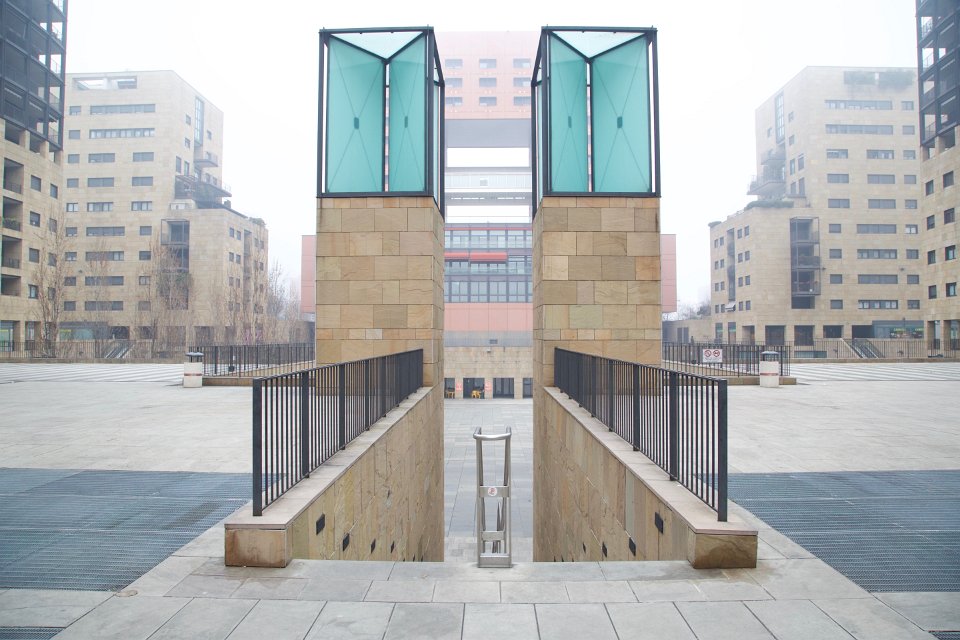
In such a city, a square is not simply a void framed by buildings but a temporary equilibrium of diverse agencies: a climate that might determine when and how much the space is used, sound, vegetation, memory, actual use. Streets and infrastructures become the connective tissue. The open city and the parliament of things converge here into a shared project: to cultivate urbanism as collective meaning-making among heterogeneous forms of life.
2. Open Form and Urban Incompleteness
2.1. Openness as a Design Principle: Flexibility, Adaptability, Participation
If the modernist city dreamed of stability, the second half of the twentieth century began to dream of movement. Openness became the new virtue, an answer to the failures of uniform planning and the alienation of the industrial metropolis. Architects and urbanists started to imagine spaces that could flex, adapt, and grow in response to social life rather than dictate it. Or, at least, some of them did.
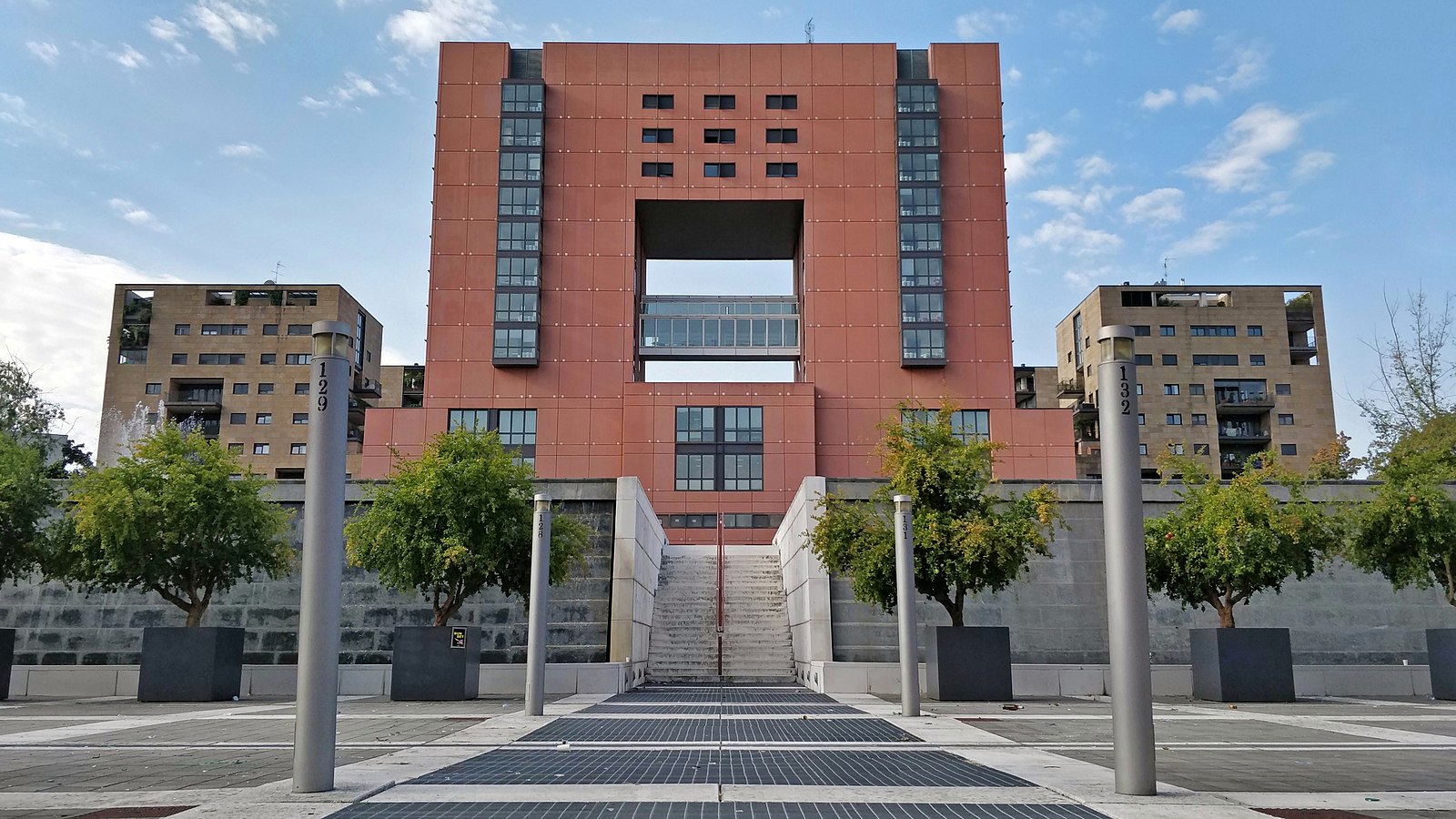
This notion of openness had many technical expressions: modular structures, plug-in systems, movable partitions, and indeterminate grids. But beneath the technical vocabulary lay an ethical one. To design openly meant to trust the user and let citizens, not architects, determine the evolution of form. Some architects would have a heart attack only by reading this. In the open form, the building or district is no longer a finished object but a framework for interaction, an invitation to participate.
In practice, this shift paralleled the emergence of participatory design and systems thinking. The city could no longer be seen as a monolithic entity governed by top-down plans; it had to be understood as an ecology of self-organising parts. Openness thus entered design not only as a spatial strategy but as a civic acknowledgement that architecture lives through use, negotiation, and time.
2.2. From Team 10 to Sennett: Humanism, Empathy, and Resistance to Control
The origins of this ethic of openness can be traced to the debates within Team 10, the group of architects who broke from CIAM in the 1950s. Figures such as Alison and Peter Smithson, Aldo van Eyck, and Jacob Bakema rejected the mechanical determinism of the functional city. Against the zoning logic of separation, they proposed continuity, ambiguity, and empathy: “the human association,” as they called it.
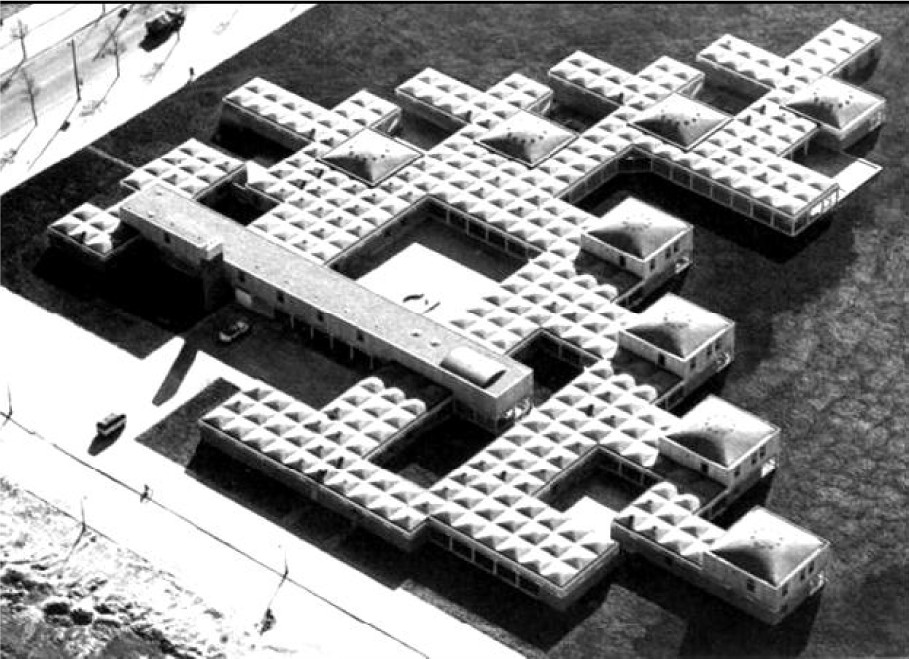
Van Eyck’s playgrounds for the orphanage in postwar Amsterdam became early manifestos of this sensibility: open-ended environments that encouraged improvisation, built from simple geometries yet endlessly reconfigurable by children’s imagination.
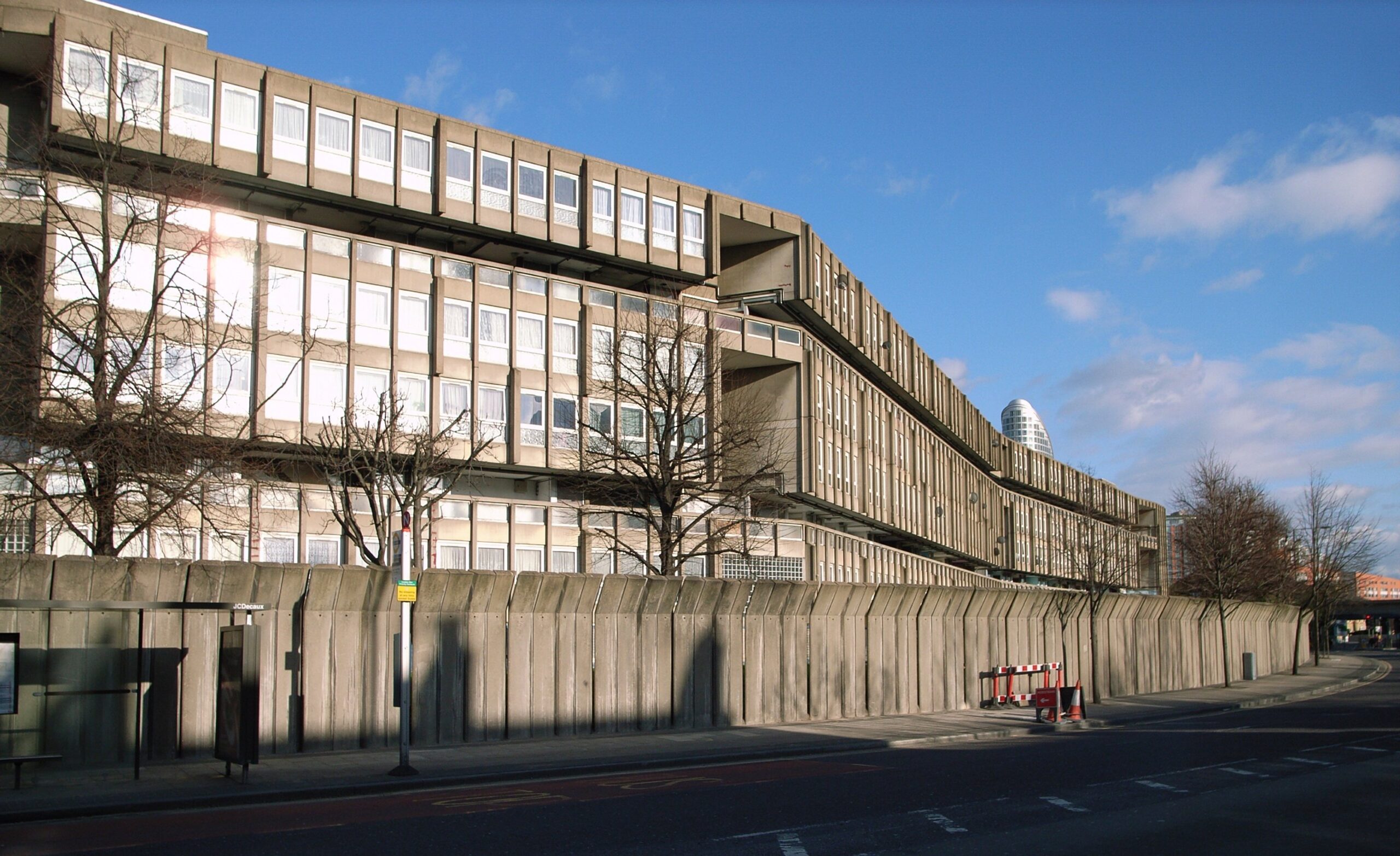
Likewise, the Smithsons’ Robin Hood Gardens sought to create “streets in the sky” — collective spaces that could foster encounter without prescribing behaviour — although they turned out to be a lot more like King John’s prisons. The fate of the project was ultimately tragic, but its ambition remains emblematic of a belief that form could nurture relation.
This movement’s emphasis on adaptability and human scale anticipated many of the arguments Richard Sennett would later make in Building and Dwelling. For Sennett, empathy in design means constructing situations where others can appear and act freely, where the built environment supports the friction of difference rather than smoothing it away. In this sense, Team 10’s humanism and Sennett’s open city share a deeper connection: both oppose the fantasy of control that underpins closed systems, whether technological or social.
2.3. Embracing Incompleteness: Cedric Price’s Fun Palace, Yona Friedman’s Ville Spatiale, Giancarlo De Carlo’s Participatory Urbanism
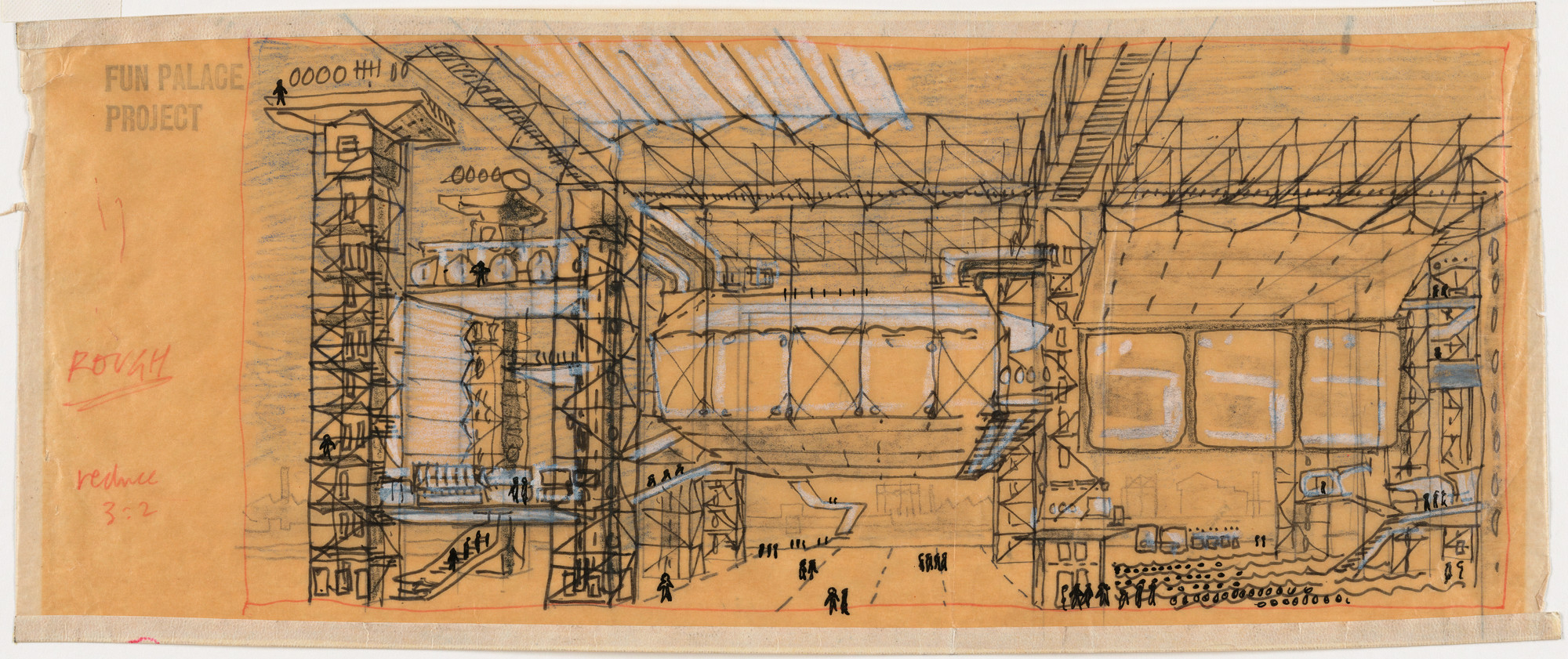
Few projects captured the spirit of openness as vividly as Cedric Price’s Fun Palace (1961), one of the most interesting projects of our age. Conceived as a “laboratory of fun” for Joan Littlewood’s Theatre Workshop, it was an immense, reconfigurable steel framework meant to host changing activities — theatre, dance, learning, play. Cranes, gantries, and movable floors would allow users to rearrange spaces at will. Price’s provocation was radical: architecture was an infrastructure for behaviour, not a prescription of what people could and couldn’t do in a specific space. The architect, in his view, should become a facilitator of uncertainty, “an instigator,” and my students know this project very well.
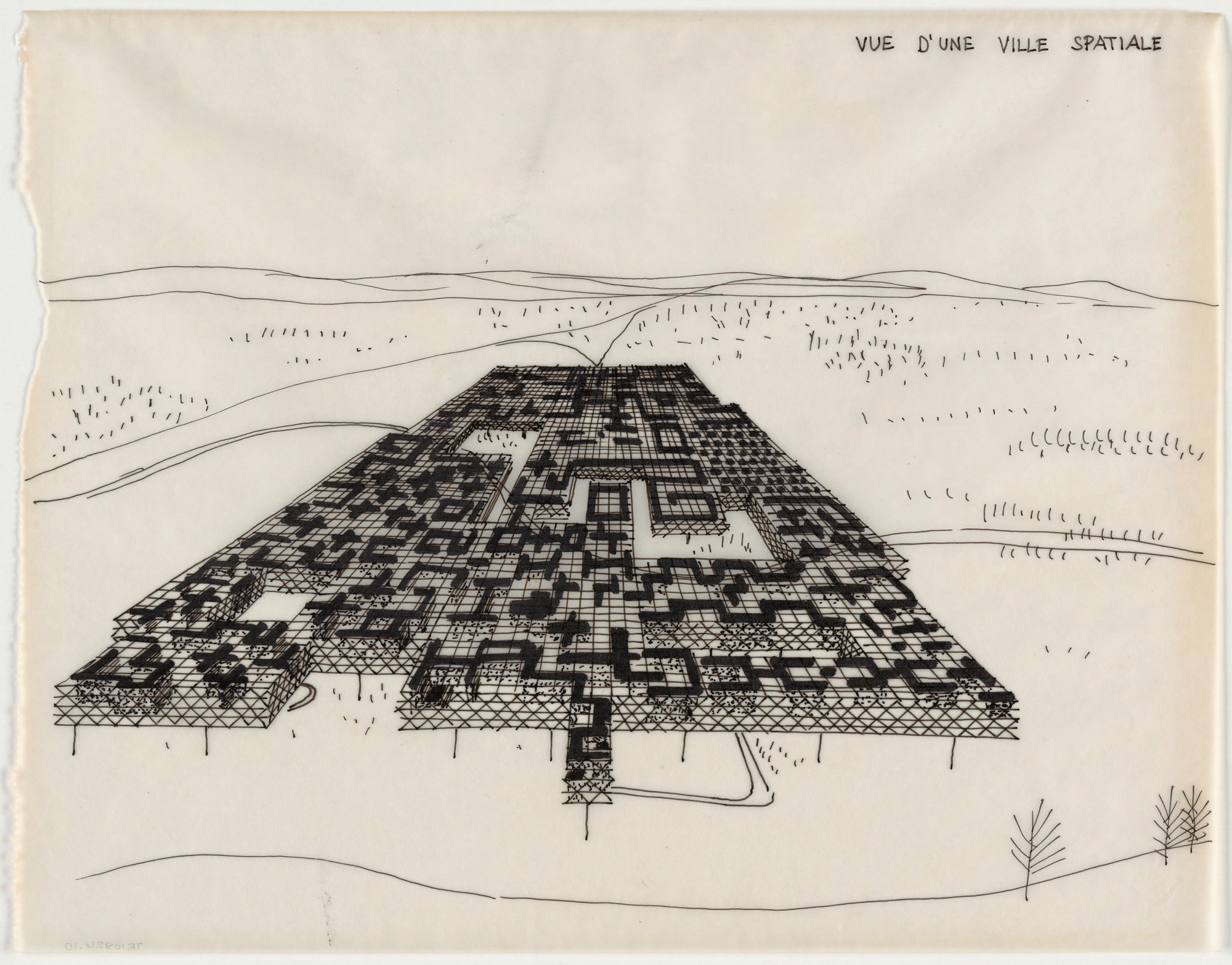
Yona Friedman’s Ville Spatiale (1958–60) echoed similar ambitions on an urban scale. His vision of elevated megastructures allowed inhabitants to self-build within a flexible frame, rejecting the idea of mass housing as a uniform product: it recognised the instability of social and economic conditions, proposing an architecture capable of permanent negotiation.
In Italy, Giancarlo De Carlo gave this principle a clearer political direction because that’s what we do. His participatory experiments in Terni, Urbino, and elsewhere invited citizens directly into the design process, transforming architecture into a collective conversation. For De Carlo, incompleteness was a condition of democracy through an architecture that doesn’t finish itself, but allows others to continue it. His work revealed that openness is not only a spatial quality but an ethical stance: a refusal to close meaning, to fix use, or to silence the multiplicity of the city.
Together, Price, Friedman, and De Carlo mark a genealogy of the incomplete project, an approach that finds dignity in adaptability and freedom in the unplanned. Their architecture seeks antifragility through participation.
2.4. The City as a Process
By the 1970s, the idea of the city as process had begun to replace the notion of the city as product. The shift was both conceptual and operational: systems theory, cybernetics, and ecology introduced models of feedback and adaptation into design discourse; an increasing number of architects started to see cities less as forms to be drawn and more as patterns to be maintained, evolving networks of relations between people, technologies, and environments.
Sennett’s argument in Building and Dwelling carries this lineage forward: an open city is one that can learn. It is not optimised for efficiency but designed for evolution, capable of absorbing conflict, error, and change. Its form is porous because its politics are unfinished.
In this framework, design becomes a mode of stewardship, and leaves authorship in the back seat. The planner’s task is not to impose order but to build frameworks that encourage coexistence. The open city, understood as an ongoing negotiation between human intention and material agency, becomes the practical ground for Latour’s “parliament of things.”
In other words, the city as process recognises what the total plan denied: that urban life is not something to be completed but something to be continually composed, an incomplete conversation sustained by the shared improvisation of its inhabitants and their environments.
3. The Parliament of Things – Politics Beyond the Human
3.1. From Nature and Society to a Common World
Modern urbanism has long been built upon the foundational division between nature and society, object and subject, infrastructure and citizen. In We Have Never Been Modern, Bruno Latour argues that this binary is a fiction of Enlightenment thought, one that allowed modernity to exploit the world by first declaring it mute. By assigning agency to humans alone, it relegated rivers, materials, and climates to the status of background, resources to be managed instead of partners to be consulted.

In the city of the twenty-first century, that refusal to engage in conversation is no longer tenable: climate events, air pollution, microplastics — and algorithmic systems — have all entered public debate as agents in their own right. And Latour argues that we should recompose the common world with the beings that have been left out. His parliament of things thus proposes a new political architecture in which nonhuman actors are granted the capacity to “appear,” to have representation within the collective.
The implications for urbanism would be profound: if the open city invites human multiplicity, the parliament of things expands that invitation to encompass the more-than-human and the city becomes not only a forum of citizens but of materials and species that flow in a civic ecology, in which agency is distributed and design becomes an act of negotiation among unequal yet interdependent entities.
3.2. The Material City: Streets, Infrastructures, and Other Actors
The idea that matter itself participates in urban politics finds resonance in the writings of Jane Bennett, whose Vibrant Matter (2010) calls for a renewed attention to the vitality of things. Bennett’s thesis is not a metaphor: to acknowledge the agency of objects is to accept responsibility for their participation in the collective.
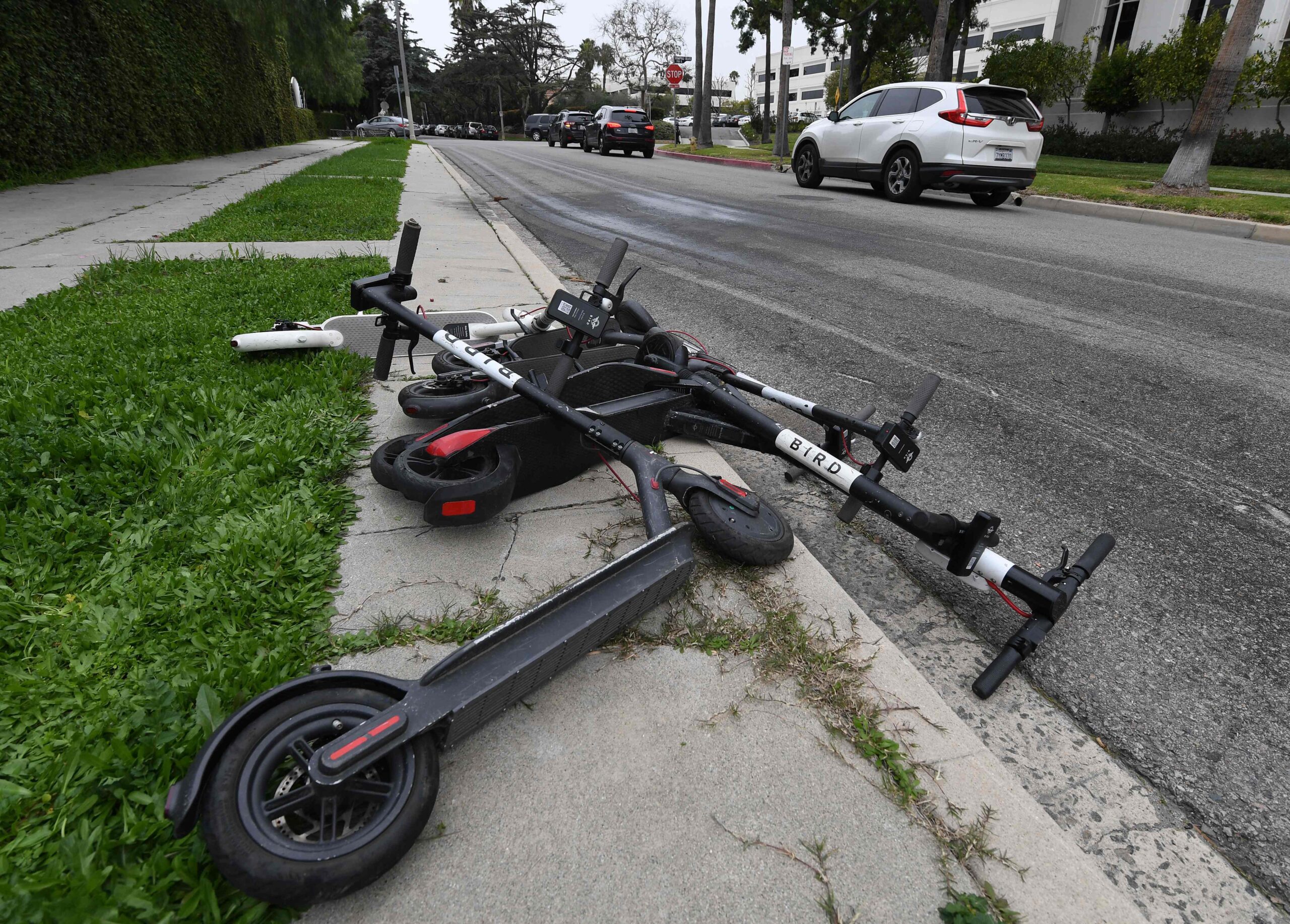
For instance, if you invented a dockless system in which people can rent a scooter anywhere and drop it in a similar fashion as soon as you’re done with it, you cannot not be considered responsible for the way your creation is going to clutter the sidewalk, because you introduced an agent that has the potential to behave in that way.
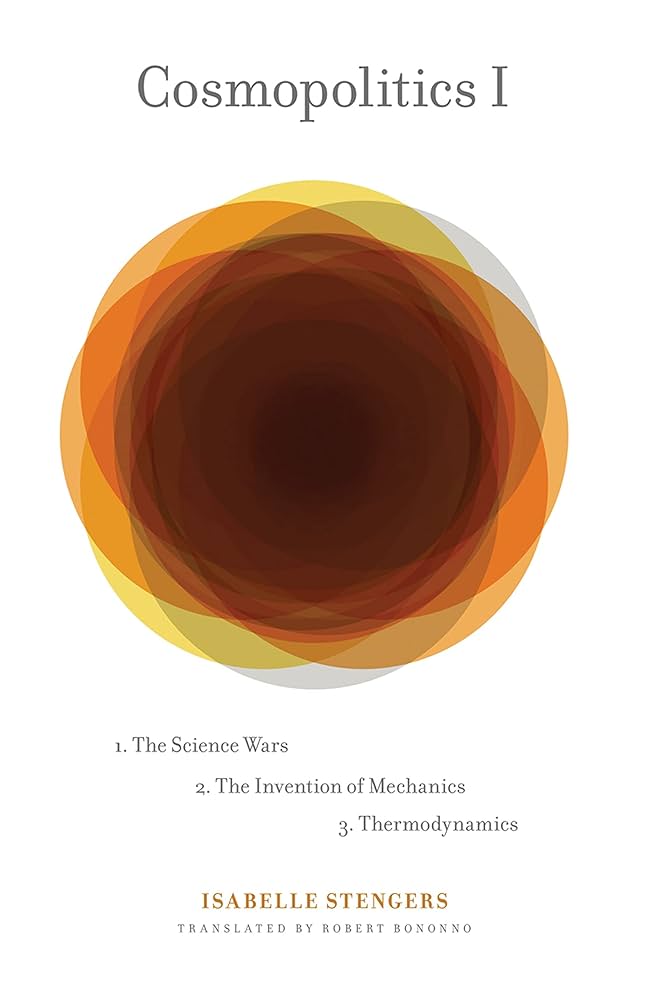
Similarly, Isabelle Stengers’ Cosmopolitics frames the city as a site where heterogeneous beings must learn to coexist without collapsing difference. In other words, it deepens this redefinition of the city by situating it within a broader ontological diplomacy. For Stengers, cosmopolitics is not merely a call to include more voices within an existing political framework but an invitation to question the framework itself and to acknowledge that not all entities share the same conditions of existence, the same sense of time, or the same modes of reasoning. The cosmopolitical city is therefore a site of encounter among heterogeneous worlds: geological, biological, technological, human. It is a space where the multiplicity of beings is not reduced to consensus but held in productive tension. Rather than striving for a universal language of planning, cosmopolitical urbanism must cultivate procedures of hesitation, slowing decisions in order to allow other agencies to manifest themselves. This ethic of hesitation transforms urban design into an act of diplomacy that seeks coexistence among incommensurable actors. It conceives the city as an ever-renegotiated “common world,” where the task of design is not to unify but to sustain difference without violence.
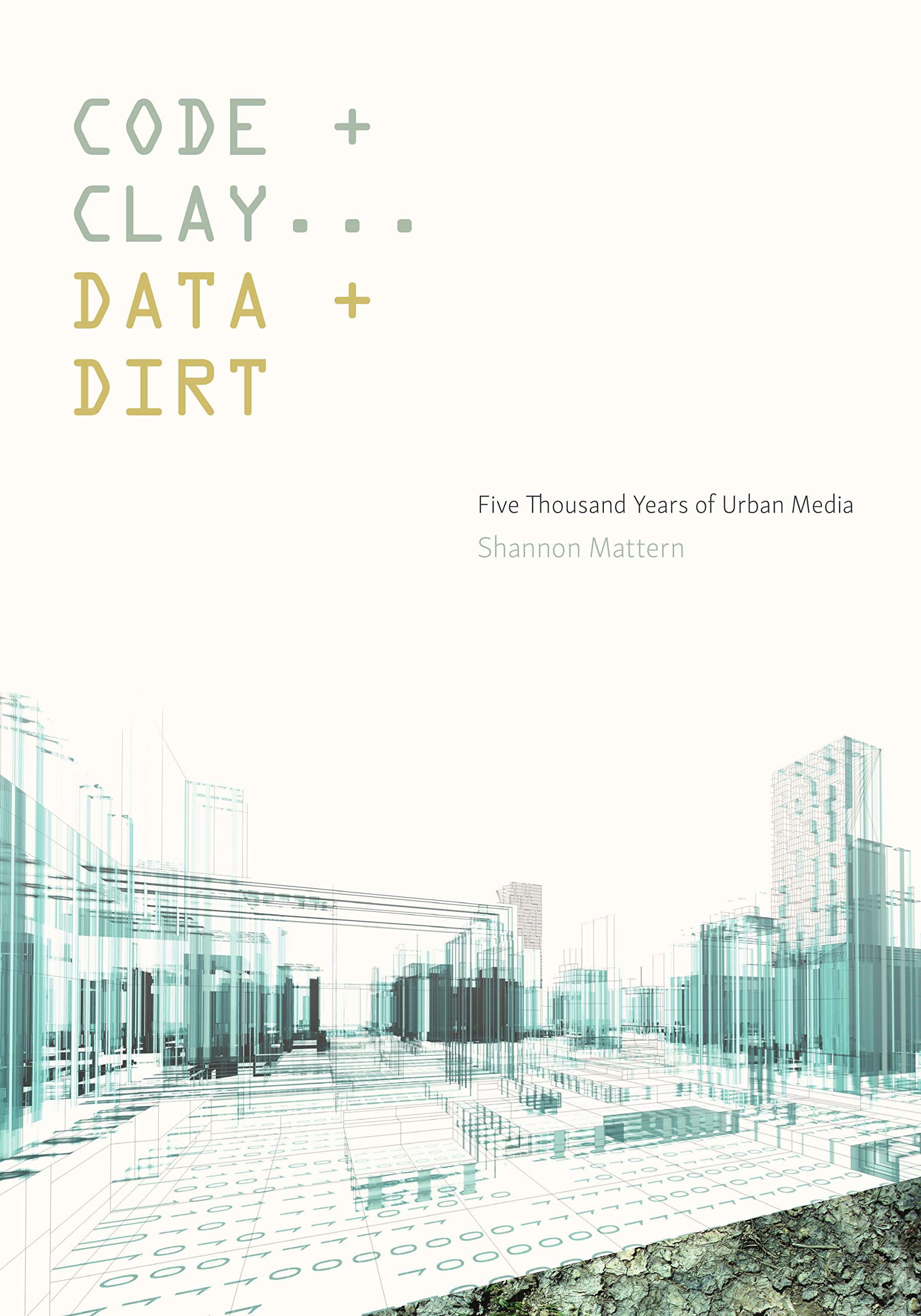
Urban infrastructures are perhaps the most visible mediators of this shared world. As Shannon Mattern observes in Code and Clay, Data and Dirt, infrastructures store our social values and enact our political choices. The sewer, the data cable, the streetlight, and the curb all participate in the shaping of civic life, being the material conditions of citizenship. Their design — or neglect — determines who can move, breathe, or belong.
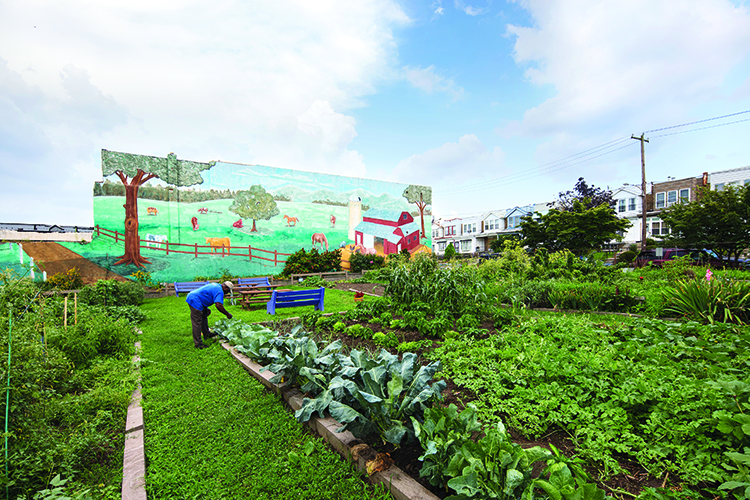
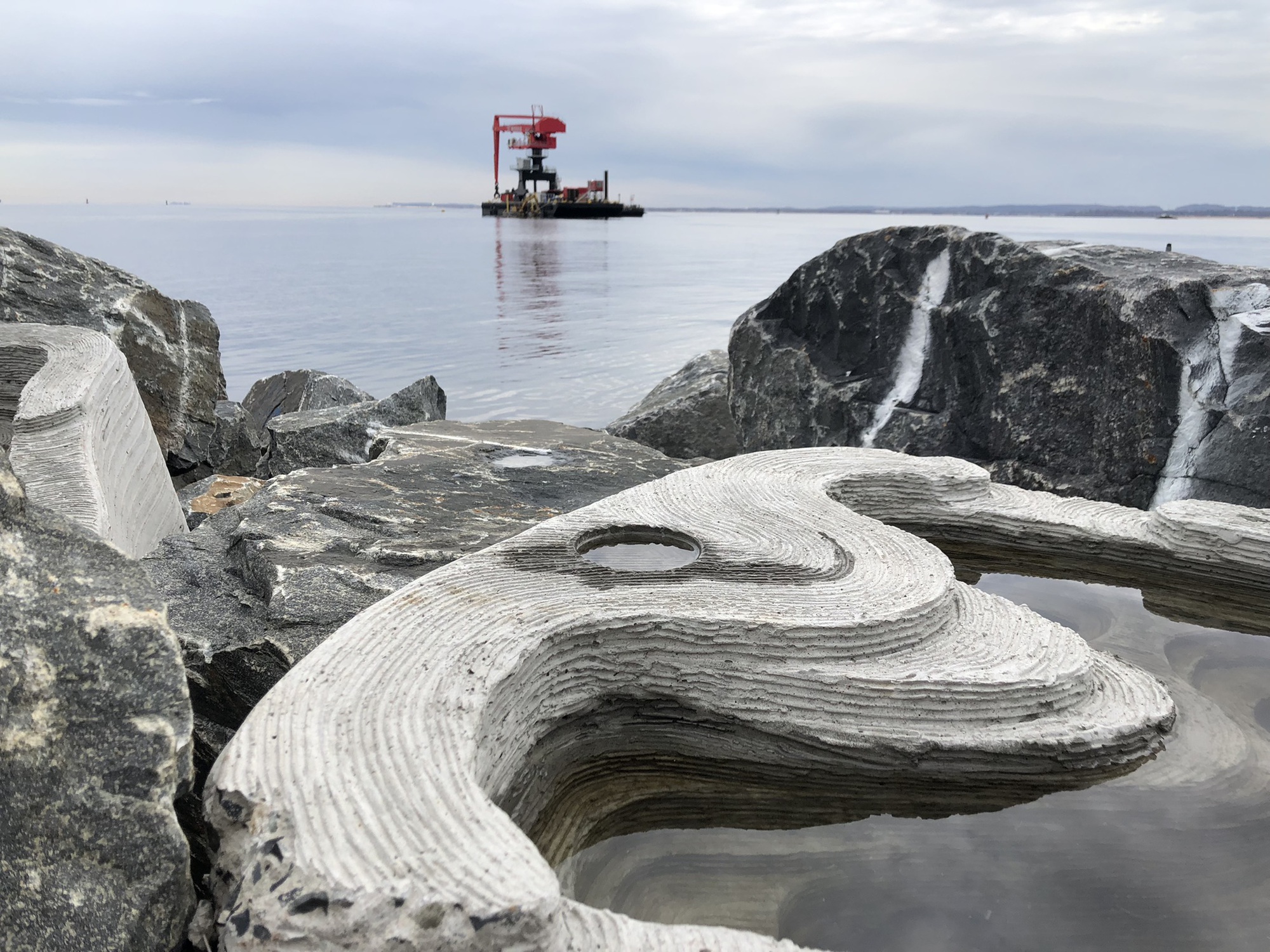
Projects such as Anne Whiston Spirn’s West Philadelphia Landscape Project or Kate Orff’s Living Breakwaters exemplify how design can transform infrastructures into deliberative spaces, where ecological and social systems intertwine. In these works, water and sediment are treated as agents that demand response and care.
Similarly, the Cheonggyecheon Stream Restoration in Seoul, often cited for its ecological symbolism and also mentioned in my research on participatory design from last year, reintroduces the river as a political actor in the ongoing debate between development and environment.
Such interventions transform the urban fabric into a stage of deliberation: a literal parliament of things where water management, air circulation, and soil regeneration become civic matters. The street, once a human-centered corridor of traffic, becomes an interface of negotiations among atmospheric, vegetal, and mechanical agents.
3.3. Mediating the Nonhuman: Technologies of Representation
If the nonhuman is to “speak,” design must provide the instruments of translation. And Latour warns us that representation is never neutral; it is the very site where politics occurs. The question, then, is not whether things can speak, but how we listen.
Architectural and digital practices increasingly act as mediators between between what can be sensed — the visible, hearable, touchable — and what must be inferred from the other senses, from suggestions, from interactions. Sensor networks, environmental dashboards, and participatory mapping platforms make urban phenomena perceptible, turning data into arguments. But representation carries ethical risks: to translate is to interpret, and to interpret is to frame agency through human categories.
The designer, therefore, becomes an intermediary, crafting what Latour calls “spokespersons” for things. Carlo Ratti’s Real-Time Rome visualisations, for example, sought to render the urban metabolism of movement and communication; yet they also exposed the asymmetry between data-rich and data-poor citizens, which is an increasingly crucial disequality. By contrast, projects like NoiseTube or AirCasting democratise the sensing process, allowing inhabitants to record and share environmental data, giving voice to the atmosphere itself.
In this sense, technologies of representation become acts of inclusion: the material world enters public discourse through the citizen’s possibility to autonomously measure, for instance, the pollution of a public park. As Donna Haraway reminds us in Staying with the Trouble, we become with each other or not at all. The designer’s task is to construct these different withs: architectures of mediation that enable coexistence without erasure.
3.4. The Infrastructural Democracy
What emerges from this constellation of practices is a form of infrastructural democracy, where the maintenance and care of systems replace the grand gesture of planning. Here, Hannah Arendt’s idea of the public realm as a space of shared appearance acquires new meaning: the city is not merely where citizens act but where things appear as participants in the human story.
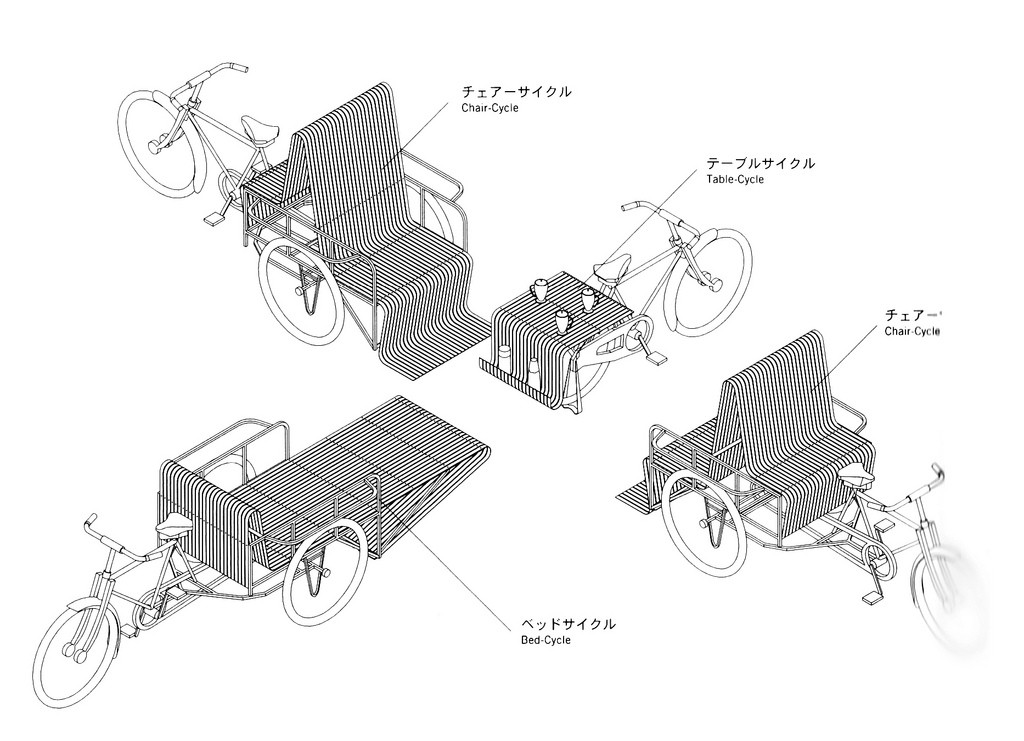
This approach could reframe infrastructure as civic commons, once and for all, instead of being invisible back-end: infrastructure should be visible in order to be questionable, debatable, and should be collectively maintained. The “open works” of Lacaton & Vassal, who transform social housing by expanding thresholds and climatic envelopes, or Atelier Bow-Wow’s Micro Public Spaces in Tokyo, which exploit urban gaps for coexistence, exemplify how architecture can embody deliberation. Each of these designs creates a condition of exposure, allowing both humans and materials to negotiate their presence.
As Latour suggests in Down to Earth, we must bring politics down on earth, reconnect it to the territories and substances that sustain us. The open city becomes, in this sense, the spatial counterpart of the parliament of things: a porous field where walls are membranes and infrastructures are arguments. An inhabitant of such a city engages in a continuous act of translation between beings, a politics measured by responsiveness.
Incompleteness here returns as both method and morality: no single actor, human or nonhuman, can claim total authorship. The city is co-produced, perpetually reassembled. Its ethics is the quiet art of keeping the conversation going.
Further Refereneces
- Bennett, J. Vibrant Matter: A Political Ecology of Things. Durham: Duke University Press, 2010.
- Haraway, D. Staying with the Trouble: Making Kin in the Chthulucene. Durham: Duke University Press, 2016.
- Latour, B. Politics of Nature: How to Bring the Sciences into Democracy. Cambridge: Harvard University Press, 2004.
- Mattern, S. Code and Clay, Data and Dirt: Five Thousand Years of Urban Media. Minneapolis: University of Minnesota Press, 2017.
- Orff, K. Toward an Urban Ecology. New York: Monacelli Press, 2016.
- Spirn, A. W. The Granite Garden: Urban Nature and Human Design. New York: Basic Books, 1984.
- Stengers, I. Cosmopolitics I & II. Minneapolis: University of Minnesota Press, 2010.
4. Infrastructures as Assemblies
4.1. The Politics of the Invisible
Every city is sustained by systems it cannot fully see. Some of them are explicitely labelled as ground services, and we can’t see them because they run underground. Some others, are hidden either because their connective values aren’t rendered manifest — such as the importance of a road — or because their impact is hidden behind closed doors, as it happens with datacentres. All together — roads as much as pipes, grids, cables, sensors, and data centers themselves — form a hidden anatomy, as infra-structure literally means “what lies beneath”. Yet, as Shannon Mattern reminds us, these systems are not neutral scaffolds; they are projects that embody the political and epistemic values of their time. Infrastructure dictates how resources circulate, who is connected, and who remains outside the network. It is a form of governance — or repression — materialized in asphalt, concrete, and code.
If, as Latour proposes, politics must be extended to the nonhuman, infrastructure is its primary ground of application for the parliament of things: every pipe negotiating with groundwater, every algorithm adjusting the flow of traffic, every data server conditioning the planetary climate through its heat emissions. To render infrastructure visible, to recognize its participation in the civic realm, is thus to engage in a new kind of politics that redefines citizenship as the shared maintenance of complex, interdependent systems.
4.2. Typologies of the Assembly: Water, Energy, Waste
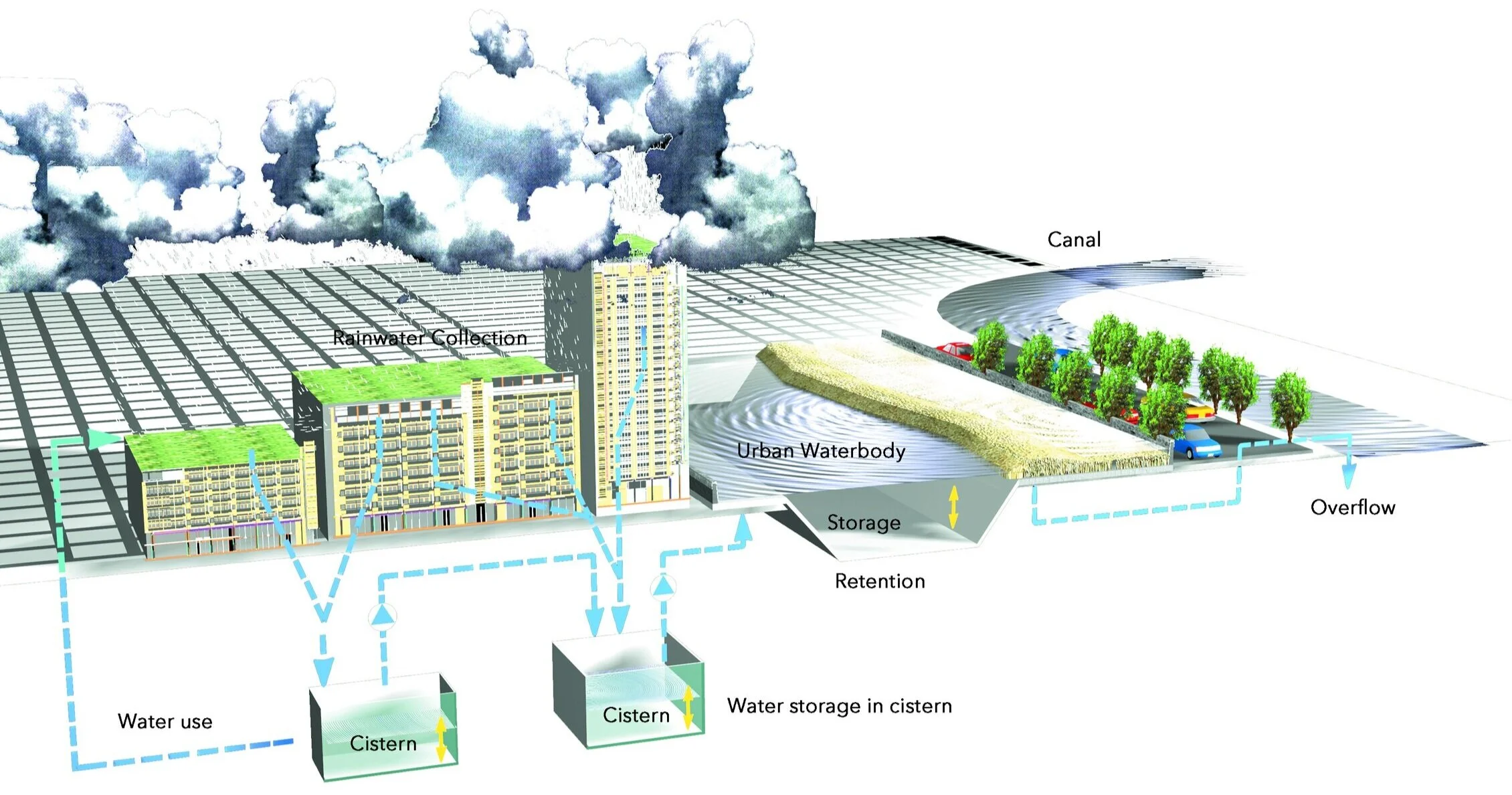
The traditional infrastructures of urban life — water, energy, and waste — can be reinterpreted as prototypes of ecological diplomacy. Anne Whiston Spirn’s West Philadelphia Landscape Project — already mentioned — demonstrates how stormwater management can become a civic pedagogy, transforming hydrological processes into public knowledge. Similarly, projects like Atelier Dreiseitl’s Water Sensitive Urban Design in Singapore embody the principle of permeability: rather than controlling water, which never works, they negotiate with it. In each case, the infrastructural element becomes a participant in urban deliberation, expressing agency through flow.
Energy systems tell a similar story. From the decentralized microgrids of R-Urban in Colombes (AAA, 2012) to the adaptive reuse of industrial relics like the Zeche Zollverein in Essen, energy infrastructures are being reimagined as public interfaces rather than hidden backbones. They invite citizens to witness the processes that sustain them.
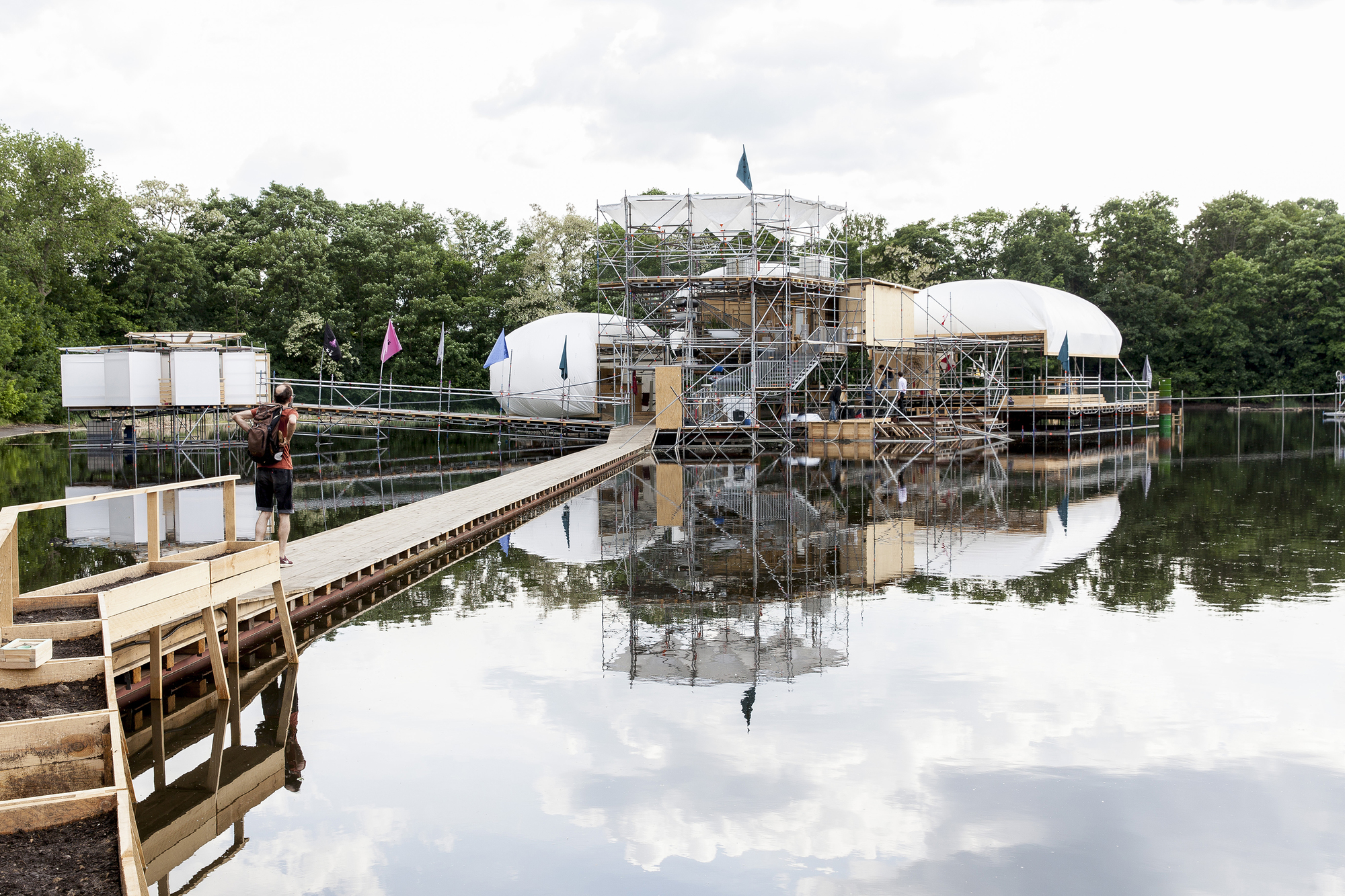
The same logic applies to waste, as explored by Raumlabor Berlin in The Floating University (2018), where recycled materials and reclaimed water systems are not only technical devices but pedagogical tools that teach the necessity of participation.
These examples illustrate what Keller Easterling calls the “active form”: the idea that spatial arrangements and systemic protocols exert force long before any symbolic architecture appears. Design infrastructural space, in this approach, is only possible as far as it’s a tool to legislate behavior not through law, but through flow, latency, and maintenance.
4.3. The Data City: Algorithmic Assemblies
Among all contemporary infrastructures, none has redefined urban life as profoundly as data. The city today is traversed by invisible systems of sensing, calculation, and feedback that are what Mattern calls the digital nervous system. Data infrastructure operates as a mediator of perception and action, continuously translating the physical into the informational. Yet this translation is not innocent: the fucking algorithm prioritises certain signals, elides others, and thereby shapes urban reality according to opaque logics of optimisation.
Carlo Ratti’s Senseable City Lab projects — such as Real-Time Rome (2006) or Copenhagen Wheel (2009) — exemplify an early optimism toward this new urban sensorium and aimed to make the city more responsive to its inhabitants’ conscious and unconscious inputs. Yet responsiveness alone does not equal democracy. As Maria Kaika and Erik Swyngedouw argue in their writings on urban political ecology, smart urbanism often conceals new hierarchies of control under the rhetoric of participation. The challenge, then, is not to reject data but to make it available for negotiation.
Design practices such as Superflux, Forensic Architecture (check out their Cartography of Genocide mapping Israel’s conduct in Gaza since October 2023), and Tactical Tech push in this direction, treating digital infrastructures as contested terrains. Their works turn sensing technologies into civic instruments, exposing how environmental data, satellite imagery, or algorithmic models can serve collective inquiry rather than surveillance. This aligns with Sennett’s idea of the open city: a system porous not only to physical encounter but to informational reciprocity.
An open data urbanism must therefore combine Latour’s material politics with Sennett’s ethics of dialogue. It must design not just interfaces but institutions: civic data trusts, participatory dashboards, and open-source governance tools that translate technical complexity into public argument. The designer becomes a translator between domains — code, matter, and citizenship — an interpreter ensuring that algorithms, like air or water, remain part of the common world.
4.4. Toward Infrastructural Commons
Intending and designing infrastructures as assemblies means recognising that they are also commons: shared ecologies of dependence that cannot work without collective stewardship. This perspective inverts the modernist hierarchy between the visible monument and the hidden system. In the porous polis, pipes and cables are no longer backstage mechanisms but civic actors that become visible, audible, debatable. Their openness becomes a form of transparency, both technical and political.
Designers such as Lacaton & Vassal, who work by expanding the thresholds of existing buildings rather than demolishing them, practice this ethic of infrastructural care. Their projects — notably the transformation of Tour Bois-le-Prêtre in Paris — are acts of maintenance elevated to architecture. Likewise, Raumlabor Berlin’s ephemeral constructions, assembled from recycled matter, enact what they call “hands-on urbanism”, which is infrastructure as collective performance.
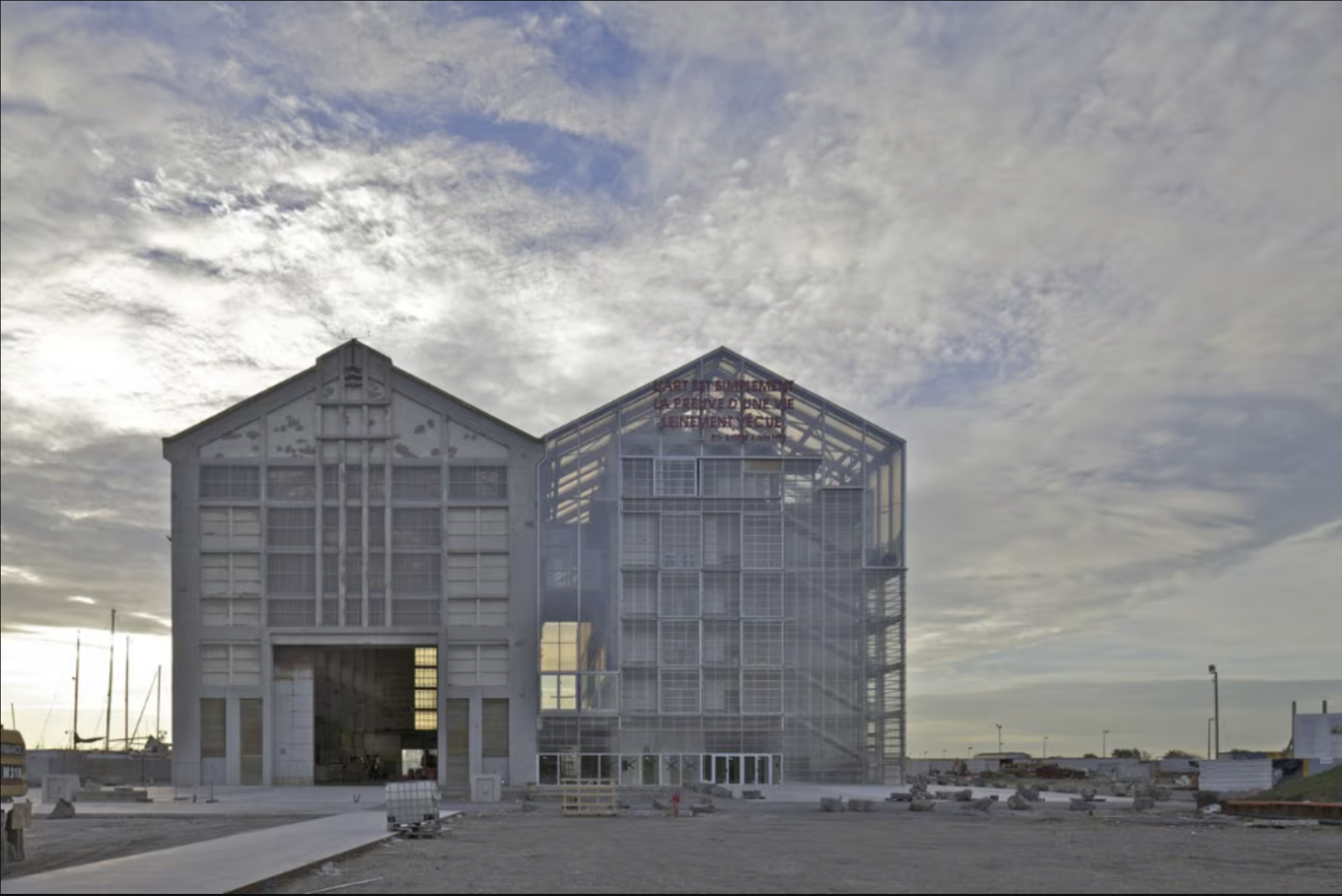
Keller Easterling’s concept of extrastatecraft provides a theoretical counterpoint here: infrastructure operates as “dispositions,” subtle but powerful arrangements of space that govern behaviour. If you reimagine them as commons, you effectively rewrite governance itself. It demands an architectural diplomacy capable of negotiating not only between public and private, but also between human and nonhuman, between analogue and digital.
In this expanded field, the designer is a curator of flows, permissions, and boundaries, just as much as we’ve seen when it comes to governing generative AI, parametric systems and… well, pretty much anything in the contemporary designing scenario. Infrastructure, in turn, becomes what Latour envisioned for politics itself: an open-ended assembly, continuously reconfigured by the beings it sustains. If designing such systems shifts from imposing order to choreographing coexistence, the invisible relations that hold the city together must surface as perceptible and shared.
Further References
- Easterling, K. Extrastatecraft: The Power of Infrastructure Space. London: Verso, 2014.
- Kaika, M., & Swyngedouw, E. “Fetishizing the Modern City: The Phantasmagoria of Urban Technological Networks.” International Journal of Urban and Regional Research, 2000.
- Ratti, C., & Claudel, M. The City of Tomorrow: Sensors, Networks, Hackers, and the Future of Urban Life. New Haven: Yale University Press, 2016.
- Raumlabor Berlin. Acting in Public. Berlin: Ruby Press, 2018.
- Easterling, K. “Subtraction.” Journal of Architectural Education, 2010.
5. What do we mean by Porous? Material and Social Permeability
5.1. Porosity as Urban Condition
Porosity has long been both a physical and metaphorical condition of the city. Walter Benjamin, in his essay on Naples from 1925, famously described the Neapolitan fabric as “porous as the stone it is built from”: a city without clear boundaries between interior and exterior, private and public, work and leisure. This image of the porous city, for Benjamin, was not one of disorder but of vitality, and an architecture in which static buildings and dynamic actions interpenetrate. The concept prefigures much of what contemporary urbanism seeks to recover after decades of rigid functionalism: the capacity of space to absorb time, difference, and change.
Today, porosity stands at the crossroads of ecological necessity and civic ethics. In an era of climatic instability and social fragmentation, the porous city offers a model of coexistence that can’t possibly manifest through uniformity, but becomes possible through the design of thresholds that mediate rather than divide. Material permeability (to air, water, and light) becomes inseparable from social permeability (to difference, movement, and use). In this sense, the porous city translates Sennett’s “open city” and Latour’s “parliament of things” into spatial practice.
5.2. Typologies of Porosity: Edges, Grounds, Thresholds
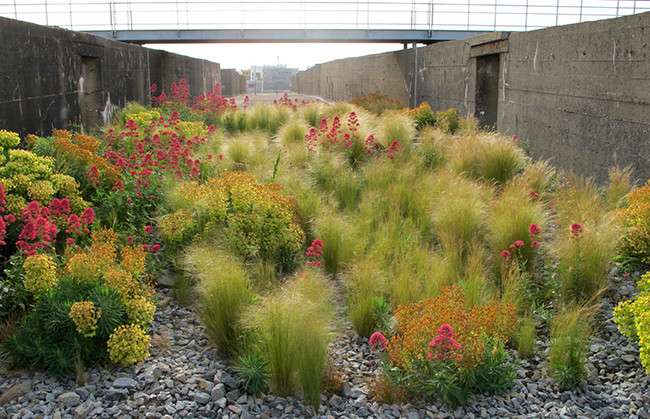
Porosity manifests most clearly at the spaces of encounter between built and unbuilt, the same spaces contemporary landscape urbanism has is trying to redefine as infrastructural ecologies rather than residual zones. For instance, the already mentioned projects like SCAPE’s Living Breakwaters along Staten Island’s coast reimagine flood protection as habitat creation, turning barriers into filters where human, marine, and infrastructural systems overlap. Similarly, Gilles Clément’s Jardin en Mouvement embraces permeability as a design ethos: form is left open to the spontaneous agency of vegetation, insects, and wind.
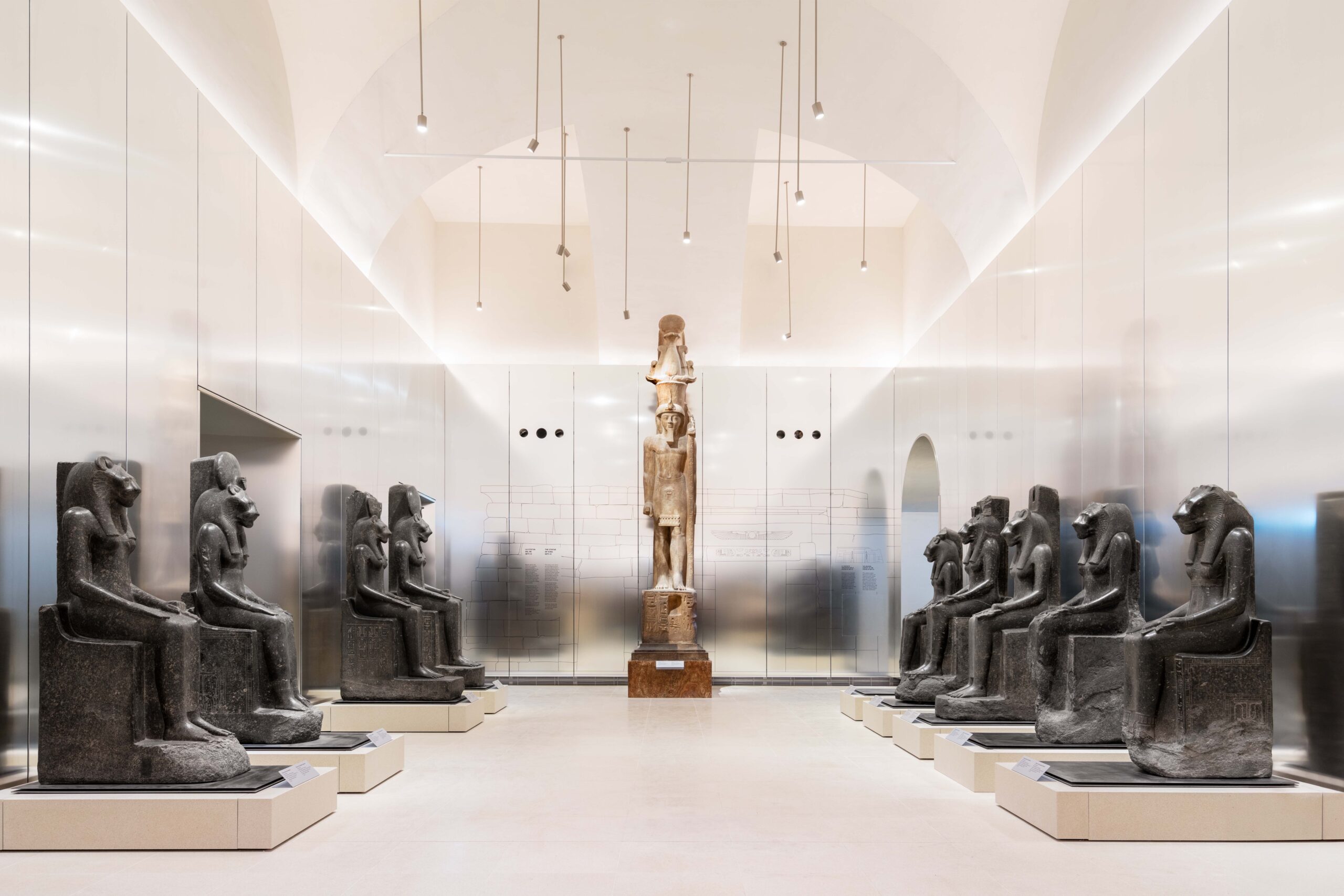
At the urban scale, works such as OMA’s IJP Museum (Doha, 2024) or Herzog & de Meuron’s Elbphilharmonie (Hamburg, 2017) treat their envelopes as mediating membranes — neither fully inside nor outside, but thickened interfaces where air, light, and sound circulate. These buildings practice what we might call architectural respiration: a controlled exchange between interior climates and the city beyond. The porous wall thus becomes a frontier that speaks rather than isolates.
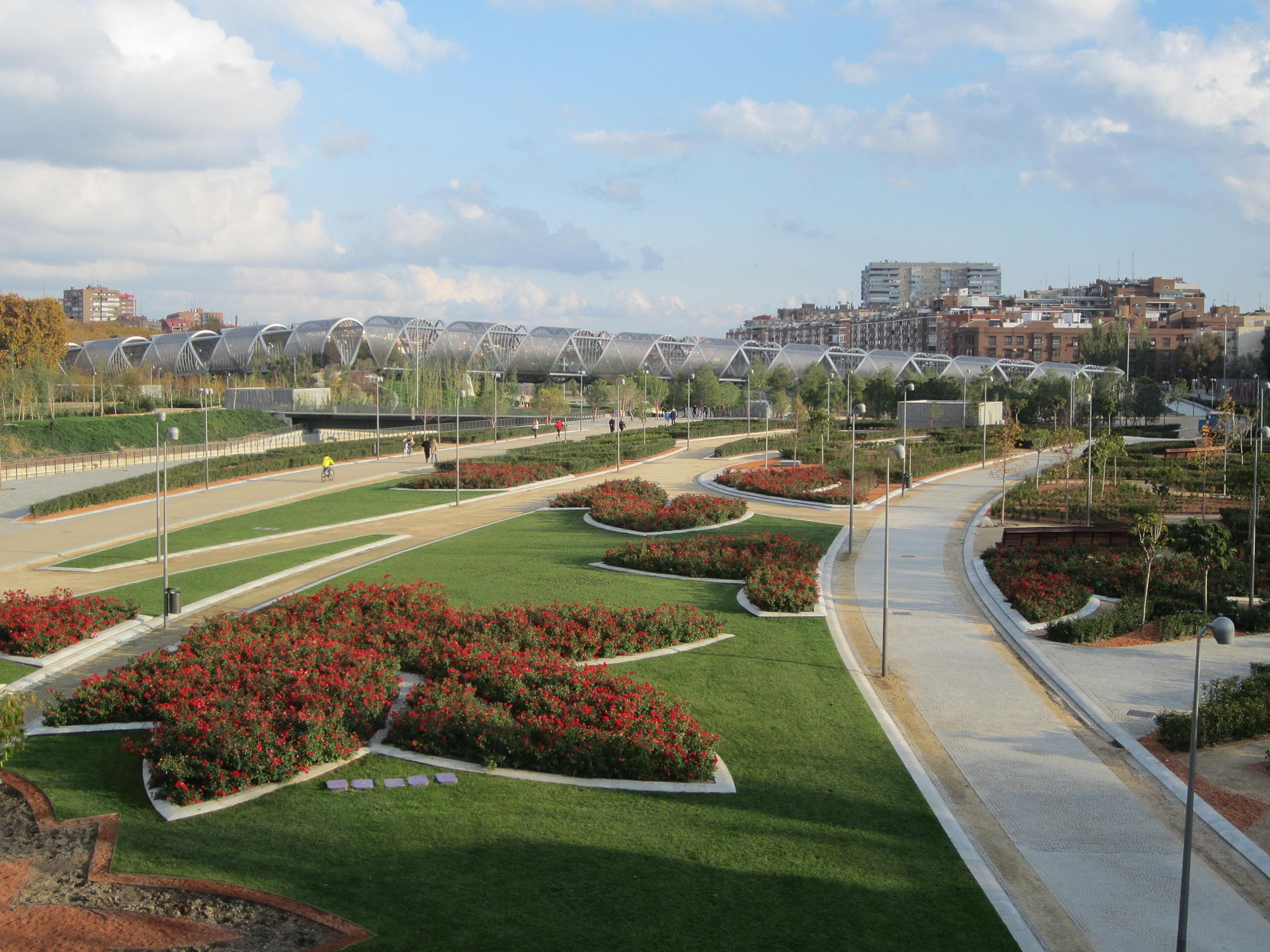
Infrastructural grounds also perform porosity. The High Line in New York (James Corner Field Operations & Diller Scofidio + Renfro, 2009) and Madrid’s Río Project (Burgos & Garrido, 2011) turn obsolete transport infrastructures into hybrid surfaces of leisure, vegetation, and circulation. Their success lies less in formal innovation than in governance: each project required the negotiation of multiple agencies — municipal, ecological, civic — and thereby enacted the porous polis as process rather than project.
5.3. Material Ecologies and Atmospheric Design
Porosity is not only a spatial figure but a material behaviour, and contemporary designers are increasingly treating building materials as dynamic participants in environmental cycles; the dream of breathable fabrics, adaptive façades, and bio-based composites reflects a shift from control to reciprocity. For example, Lacaton & Vassal’s housing renovations employ double-skin façades and winter gardens that regulate climate through natural exchange, reducing the dependence on mechanical systems. These designs embody what Sennett calls dialogic architecture: buildings that negotiate with their surroundings rather than resist them.
Research groups such as Philippe Rahm Architectes or ecoLogicStudio explore atmospheric porosity explicitly. Rahm’s Jardin des Métis pavilion (2008) uses thermal gradients as design material, structuring space through variations in air density and humidity; ecoLogicStudio’s PhotoSynthEtica prototypes cultivate algae façades that metabolise CO₂ and sunlight, transforming architecture into living infrastructure. These experiments dream of a future in which buildings function as semi-autonomous, porous agents in the urban metabolism.
Such material ecologies align with Jane Bennett’s vital materialism, meaning the recognition that matter has its own expressive force, its own capacity for negotiation. Porous design is a dialogue in which material agencies are able to express their temporalities.
5.4. Social Porosity and the Politics of Encounter
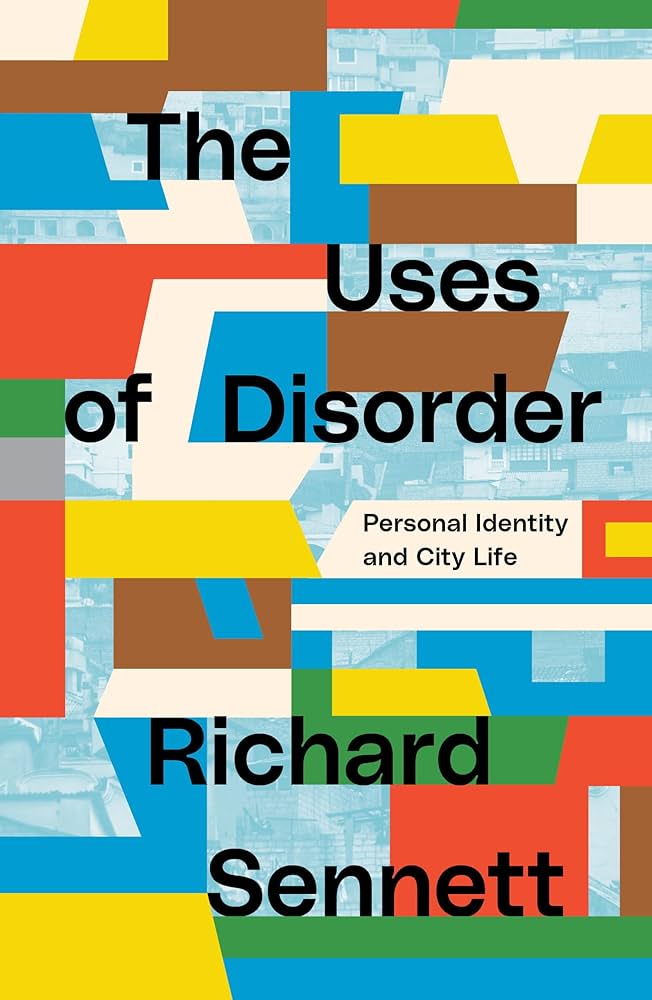
The porous city, however, cannot be reduced to environmental performance. Its deeper meaning lies in its social permeability, its capacity to host difference without assimilation. Richard Sennett’s Uses of Disorder (1970) remains the seminal text in this regard: he argues that healthy urban life depends on the friction of diverse encounters, on spaces that are unresolved enough to make people negotiate.
Urban practices like Assemble’s community workshops in Liverpool (Granby Four Streets) or Raumlabor Berlin’s Open House experiments enact this principle through participatory design, and this means that their architectures are porous in the sense that they breathe society — if you forgive me saying — and they let alternative voices, practices, and uses flow through them. Participation here is not an accessory but a material condition: the public is the building material.
This social permeability extends to governance. Initiatives such as Tempelhofer Feld in Berlin or Piazza Aperte in Milan demonstrate that openness can be institutionalised: public space as an iterative framework rather than a fixed plan. They also reveal the fragility of porosity: the constant need to defend openness from reclosure, whether through privatisation or overregulation. In this sense, the porous city is never achieved; it must be continuously maintained, like a living infrastructure.
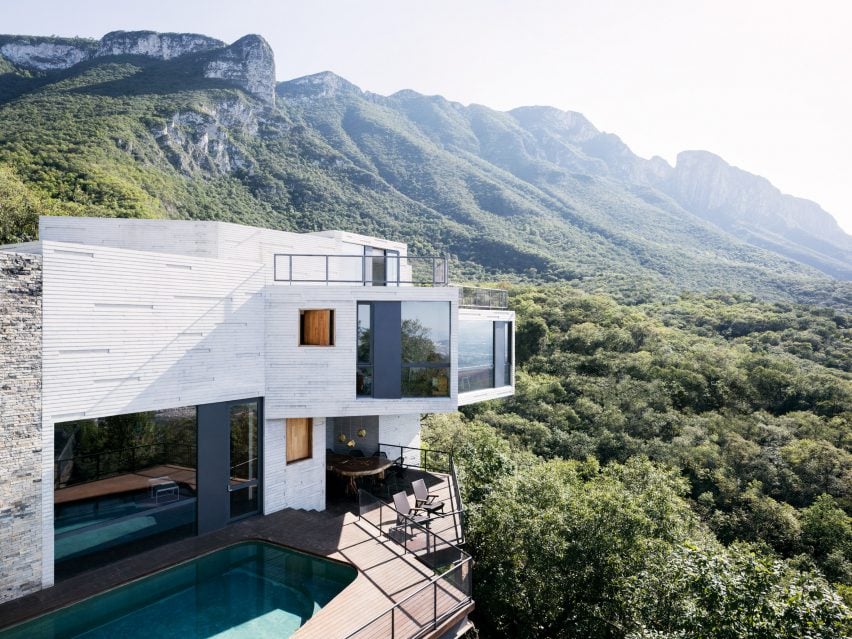
Architects such as Tatiana Bilbao (Casa Ventura, Monterrey) or Atelier Bow-Wow (Made in Tokyo) embrace this incompleteness as a form of generosity: spaces left open for appropriation, façades that reveal process, structures that can change hands and meanings. Their works articulate what Donna Haraway calls response-ability: the ability to respond and be responded to.
Further References
- Benjamin, W. “Naples.” In Reflections. New York: Schocken Books, 1978.
- Clément, G. Le Jardin en Mouvement. Paris: Sens & Tonka, 1994.
- Sennett, R. The Uses of Disorder: Personal Identity and City Life. New York: Knopf, 1970.
- Raumlabor Berlin. Acting in Public. Berlin: Ruby Press, 2018.
Conclusion – From Control to Conversation
7.1. The Porous Polis as Instructional Project
The idea of a porous polis ultimately asks not for a new style, but for a new disposition. It challenges the designer’s training — a formation long rooted in mastery, prediction, and control — to turn instead toward listening, interpretation, and response. If the world is understood as an assembly of actants, the designer must accept that buildings and infrastructures, materials and climates, all participate in shaping the civic realm. The task of design education, then, is to cultivate the capacity to listen to things: to read the city not only through plans and data but through atmospheres, resistances, and the slow intelligence of materials.
This educational shift recalls John Dewey’s vision of learning as inquiry, a process of mutual transformation between subject and environment. The studio, reimagined through this lens, becomes a laboratory of attentiveness. Instead of mastering complexity through simplification, students must learn to dwell within it: tracing the interdependencies between digital networks, ecological systems, and human rituals. Exercises in drawing, mapping, or prototyping can become acts of revealing relations, a bit like what we do with the building of a system in LEGO Serious Play.
When such an approach will redefine design as a civic art of mediation, the architect, urbanist, or planner will become a participant in an ongoing conversation among humans and nonhumans. And the porous polis will become a commons for shared learning between disciplines, between species, between matter and meaning. Its ultimate product is not the finished object but the educated sensibility capable of reading the city as living text, like a form of literacy.
But there’s also something to learn for people who aren’t trained designers.
7.2. Futures of Coexistence: Learning to Dwell with Uncertainty
The thing is, to design for openness means designing for uncertainty. The porous polis, in an act of realism, accepts that cities, like ecologies, cannot be perfected but they can only be cared for. Every attempt to eliminate uncertainty has produced its opposite: the brittle order of the modernist plan, the algorithmic determinism of the smart city, the illusion of optimisation. The lesson of the open city and the parliament of things is that stability emerges not from control, but from negotiation; not from closure, but from adaptability.
This requires what Bruno Latour calls a culture of composition: the ongoing work of assembling and reassembling a common world in which the human is only one participant. This culture replaces the fantasy of mastery with a practice of care, with the awareness that design decisions are ecological and political acts that reverberate across scales and species.
Projects grounded in maintenance, repair, and cohabitation — from the adaptive reuse of existing structures to the restoration of urban ecologies — embody this ethos and teach us that architecture’s most radical gesture today may be restraint: the willingness to leave space unfinished, to let others — water, wind, plants, users — continue the work.


2 Comments
shelidon
Posted at 12:02h, 07 JanuaryMy rating: 4 of 5 stars
Again, and for the second time in a few days, the problem with this book is that it’s too short. More than an essay, it feels like the transcript of an evening at the pub (at least one of my evenings), when you come out with a great intuition, and it’s well documented by fact, but it could have used some expansion.
Regardless, the reasoning is perfectly on point, and I agree with its stance on how we define “modern”, especially when it comes to technology.
Second part of my winter readings for the latest article “The Porous Polis: from Open City to Parliament of Things”
View all my reviews
shelidon
Posted at 12:04h, 07 JanuaryMy rating: 5 of 5 stars
A mandatory read for architects and urbanists alike, because cities aren’t planned by some grand design: they need to be laid down as a plain canvas on which communities will be free to write their stories.
Part of my winter readings for the latest article “The Porous Polis: from Open City to Parliament of Things”
View all my reviews