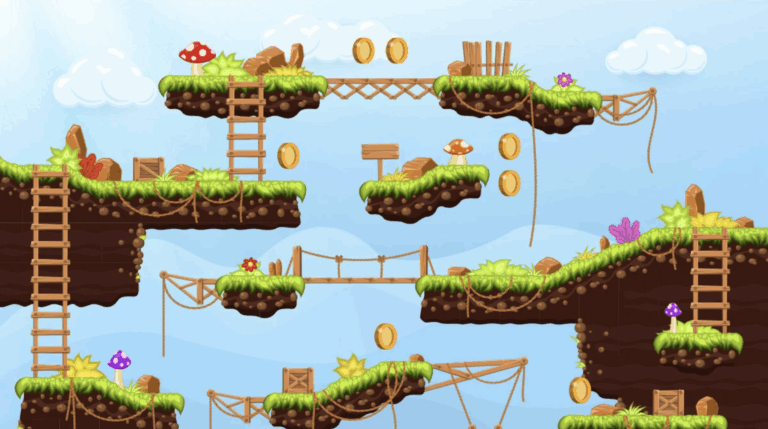
"All this he saw, for one moment breathless and intense, vivid on the morning sky; and still, as he looked, he lived; and still, as he lived, he wondered."

Susanna Clarke’s The Ladies of Grace Adieau

I had forgotten how much I was bored by Clarke’s Jonathan Strange & Mr Norrell, but I trust I’ll like other stuff by the same author and, before tackling Piranesi, I decided to finally approach this one. Not remembering these are spin-off stories from Jonathan Strange & Mr Norrell. So yeah, that might have been my mistake.

But how do you rate a book where half the stories bored you to tears and the other half was masterfully crafted, with memorable characters and a clever use of British folklore?
Scientifically, I’m afraid.

★★ “The Ladies of Grace Adieau,” and I’m being generous: it embodies everything I disliked with Strange & Norrell, particularly this kind of self-absorbed satisfaction in the usage of folklore themes, which I’m sure is very clever and very funny and yet should be at the service of some compelling story;

★ “On Lickerish Hill” has the same problem of the first one, without the owls;

★★★★★ “Mrs Mabb”: wonderful, wonderful, wonderful, featuring themes such as the Wild Hunt and other fairish mischief and yet the main character is very interesting and the whole atmosphere is splendidly British;

★ “The Duke of Wellington Misplaces His Horse” is Neil Gaiman’s fanfiction and I’m less than interested in that, right now (also, there’s a place for fanfiction and it isn’t this one);

★★★★★ “Mr Simoneli or the Fairy Widower”: a splendid tale revolving around the themes of inheritance, of being related to a dark fairy and, most importantly, a masterpiece in depicting glamour from the point of view of someone who’s immune and doesn’t know;

★★★ “Tom Brightwind, or How the Fairy Bridge Was Built at Thoresby” was nice but definitely too long for what it was trying to do;

★★★ “Antickes and Frets” is a nice story featuring some attempted embroidery magic by Mary Queen of the Scots;

★★ “John Uskglass and the Cumbrian Charcoal Burner” would be another one-star story if not for the comic succession of saints.

If I’m doing the math right, I get a little shy of three stars, which is what I’m compelled to give this book. A pity.
movies and tv

The East Palace

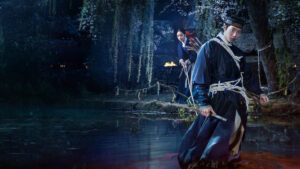
The East Palace (동궁) is this new South Korean dark fantasy television series I’ve been watching on Netflix, and I must say it has some serious Constantine vibes. I’m not an expert on Korean drama, so I don’t know the authors nor the actors starring

Read More »
architecture, engineering and construction

Flow, baby, flow

A.k.a. The technical training that fails to engage If you’re a technical trainer, you’ve seen this before: you designed an exercise, people in the class started doing whatever it is that they needed doing, and then they start dropping like flies. It happens for different

Read More »
Summertime

Summer Reads Wrap-up

So, aside from these last few entries, I did a summer reading list for architects with hardly any book about architecture, didn’t I? Loads of them were poetry, some were non-fiction on anthropology and personal reflections, there have been novels on ruins, memory, rooms. I

Read More »
Share on LinkedIn
Throw on Reddit
Roll on Tumblr
Mail it
No Comments

Post A Comment

This site uses Akismet to reduce spam. Learn how your comment data is processed.

RELATED POSTS

Flow, baby, flow

A.k.a. The technical training that fails to engage If you’re a technical trainer, you’ve seen this before: you designed an exercise, people in the class started doing whatever it is that they needed doing, and then they start dropping like flies. It happens for different

Read More

Summer Reads Wrap-up

So, aside from these last few entries, I did a summer reading list for architects with hardly any book about architecture, didn’t I? Loads of them were poetry, some were non-fiction on anthropology and personal reflections, there have been novels on ruins, memory, rooms. I

Read More

Walkscapes

This is another book that was foundational in my intellectual development and it’s actually at the crossroads between architecture, level design and user experience. Francesco Careri, its author, trained as an architect in Rome and finished in Naples with a doctoral thesis titled “Il percorso,”

Read More